Last month, the legends sat down for a conversation about the soul of cinema, and luckily enough, cameras were recording.
In a rare and intimate conversation hosted by TIME, Leonardo DiCaprio and Martin Scorsese sat down to pull back the curtain on a partnership that has spanned over two decades and six (soon to be seven) iconic films.
The convo ranged from all the work they’ve done together to the idea that movies need to have soul and feel alive to get them excited.
Let’s dive in.
Your Movie Needs Soul
The collaboration between Scorsese and DiCaprio is one of the all-time greats between an actor and a filmmaker. It sort of feels like these two feed off each other, and their best work comes from how they reflect on their personal points of view and mesh them together.
Early in the video, DiCaprio reflected on his career and talked about how his father pointed to Scorsese’s work with Robert De Niro as the gold standard for any actor. Now, DiCaprio has lived up to that standard and forged his own legacy with the auteur and made some classics himself.
Scorsese describes their work together as a “renaissance” for his own career.
I thought the most touching part was that he said DiCaprio feels like a contemporary because of his boundless curiosity and deep knowledge of film history.
The Art of “The Cinema Education”
Okay, so the main part of the talk I think NFS readers will appreciate is Scorsese’s process of “screening” films for his actors before production begins. These aren’t just for entertainment; they are technical and tonal blueprints that help cast and crew unlock what he’s looking to do.
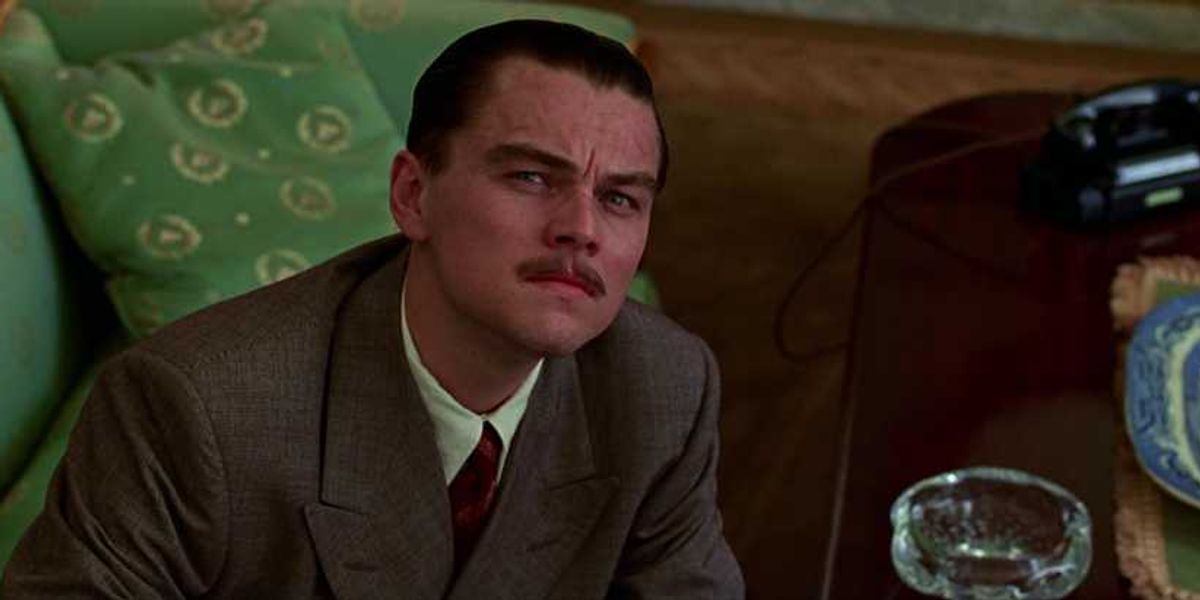
So, for The Aviator, they watched Mystery of the Wax Museum (1933) to study the rhythm of pre-code dialogue and early Technicolor palettes.
And for The Departed, Scorsese screened Ashes and Diamonds to help DiCaprio tap into the “constant panic” and paranoia of a man caught in a street war.
Why “Plot is Irrelevant”
Another part I thought was really interesting was when DiCaprio mentions that Scorsese often says “plot is irrelevant”.
This is where soul came into things. They want to make movies about characters who have real souls. They’re moving beyond mechanics to find the character’s core essence.
And they’re not just relying on actors to find that soul, too.
They’re using camera angles and color to convey emotion that words cannot. For example, the famous “hallway shot” in Taxi Driver that captures the character’s isolation without DeNiro having to do too much.
There is also the element of creative freedom, which liberates everyone involved.
These are all the tools of the trade you can use to bring in a character that feels totally real. One with hopes, dreams, and desires, and one we see in situations that pull their souls out, allowing the audience to connect with them.
DiCaprio shared a hilarious story from the set of The Aviator that was the epitome of all these things. Scorsese is so obsessive about his vision that he once spent hours refining a second-unit shot of a dinner plate. Why? Because the peas weren’t right.
They needed those peas to be totally reflective of the psychological state of the character (in this case, Howard Hughes’ OCD).
And then they got it right….it made total sense on screen.
Summing It All Up
I love these kinds of chats because they feel so intimate and real. You get a peek into their process, and that talk about soul and building character contained a lot of lessons for filmmakers.
Whether it’s through a specific lens choice or a months-long debate over a character’s dinner, this partnership between Scorsese and DiCaprio continues to define modern filmmaking.
Let me know what you think in the comments.