AMNA NAWAZ: Platforms that let you bet on the## outcomes of future events have# seen explosive growth recently.
Our economics correspondent, Paul Solman, explains# how so-called prediction markets work and why## they’re so popular and controversial.
PAUL SOLMAN: These days, you can pretty## much bet anywhere, any time, on anything,# like a word Trevor Noah will say on camera.
TREVOR NOAH, Comedian: Potato.
If you# had me saying potato on Polymarket,## you just made a ton of money.
PAUL SOLMAN: That was a joke,## no payoff for potato.
But people were betting# on what wo.. not unlike betting on the weather.
MAN: According to the prediction markets, at## least the chance that New York City gets over six# inches of snow, we’re talking 51 percent chance.
PAUL SOLMAN: And get this, if Cardi B would# perform in Bad Bunny’s Super Bowl halftime## extravaganza.
As to whether this was a performance# was hotly disputed by bettors yes and no.
Now, prediction markets are hardly new.
YESHA YADAV, Vanderbilt University Law School:# Prediction markets have been around since the## 16th century, much more recently since around# 1988, with the Iowa Electronic Markets.
JUSTIN WOLFERS, University of Michigan: We# had big political prediction markets running## literally on the curb of Wall Street# about elections back in the late 1800s.
PAUL SOLMAN: That was then, but this is now.
YESHA YADAV: Today’s prediction markets are a# completely different game.
One can essentially## take positions across a host of different# questions, including, but definitely not## limited to politics.
Sports is by far the# major category that is currently looked at,## but certainly things like Oscars, who’s# going to be next Federal Reserve chair.
So it’s really tapping into this# appetite to grab people’s attention,## to do so in a way that is heavily# influenced by social media.
So that## has really resulted in a mass appeal in a way# that prediction markets just didn’t have before.
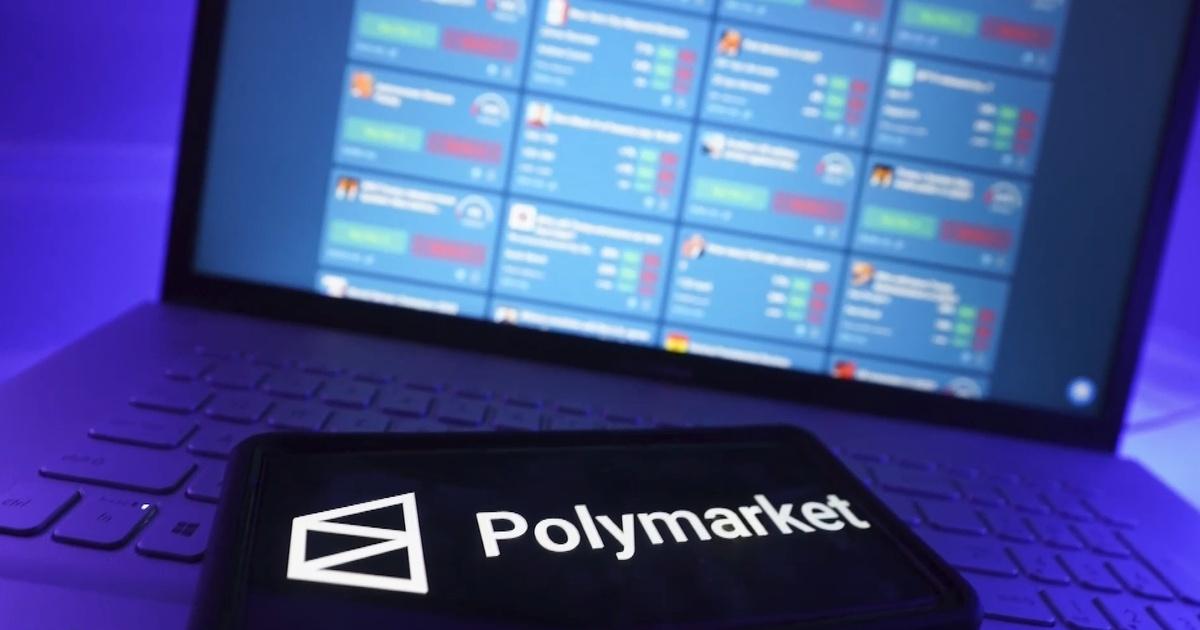
PAUL SOLMAN: Wagering has skyrocketed# on two dominant platforms, Polymarket,## which takes its bets in cryptocurrency,# and Kalshi.
In the week leading up to## the Super Bowl, trading volume on the# two platforms was almost $5 billion.
How does it work?
To wager, users# by a yes or a no event contract.
RAJIV SETHI, Barnard College, Columbia# University: It’s really a bet on whether## something is going to happen or not# happen.
And just like stock markets,## you have two sides to a transaction.
There’s# one side betting yes, one side betting no.
PAUL SOLMAN: Economist Rajiv Sethi has an example.
RAJIV SETHI: Who’s going to get control of the# House of Representatives during the midterms?
PAUL SOLMAN: To bet on, say, the# Democratic Party taking control.
RAJIV SETHI: The price on the Polymarket# is about 82 cents.
So what that means is## that somebody bought the yes side of that# contract for 82 cents and somebody bought## the no side of that contract for 18# cents.
If the Democrats do retake the## House during the midterms, the yes side# gets the dollar, otherwise the no-side.
PAUL SOLMAN: Now, to market aficionados,## there’s value in seeing what bettor do.# It’s often called the wisdom of crowds.
YESHA YADAV: They actually put their money# where their mouth is.
And that means that the## bets that are taken on these prediction markets# tend to have some pretty informative content.
JUSTIN WOLFERS: What this does is it makes the# information embedded that’s already being traded## transparent, so that we can all use it.
When# I see that there’s a 22 percent chance of J.D.## Vance becoming the next president, that’s# actually really useful information.
I can## start to plan for what sorts of regulations# my business might expect and things like that.
PAUL SOLMAN: In the run-up to# the 2024 presidential election,## polls showed Kamala Harris and Donald# Trump tied.
But the markets didn’t.
YESHA YADAV: Prediction markets,# Polymarket in particular,## was pointing towards a very different outcome# than what the pollsters were suggesting.
PAUL SOLMAN: The day before the# election, Polymarket gave candidate## Trump a 58 percent chance of winning.# Now, part of the prediction market boom## has been relaxed regulation, the Supreme# Court OKing sports betting back in 2018,## the increased ease of using virtual private# networks, VPNs, to skirt restrictions online that## allows Americans to use Polymarket despite a U.S.# ban that began during the Biden administration.
RAJIV SETHI: There are many U.S.# traders who bet on Polymarket,## but they will use VPNs to operate as if they’re# accessing it from outside the United States.
PAUL SOLMAN: Under the Trump administration,## the Commodity Futures Trading Commission allowed# Polymarket to open a regulated.. but it has a wait-list to use it.# The unregulated version does not.
RAJIV SETHI: Polymarket is much more like# the Wild West.
Polymarket itself doesn’t## know who’s trading on the platform# because these are crypto wallets,## and the real-world identities of those folks are# not visible even to the exchange in most cases.
PAUL SOLMAN: And, hey, that’s not the only# downside.
How about insider trading?
One## Polymarket user made over $400,000 predicting the# removal of Venezuelan President Nicolas Maduro.
JUSTIN WOLFERS: Someone bet a lot of# money 12 hours before Maduro was ousted## that Maduro would be ousted.
They did that# in a way that kind of makes you think that## some information may have leaked from the# White House or the Department of Defense.
PAUL SOLMAN: Yes, insider trading plagues# all markets, but the sheer profusion and## anonymity of bettors make the likes# of Polymarket especially susceptible.
Then there are cases like Brian Armstrong, CEO of# crypto firm Coinbase, on an October earnings call.
BRIAN ARMSTRONG, CEO, Coinbase: I was a# little distracted because I was tracking## the prediction market about what Coinbase# will say on their next earnings call,## and I just want to add here the# words Bitcoin, Ethereum, blockchain,## staking and Web3 to make sure we get# those in before the end of the call.
PAUL SOLMAN: All words on which there were bets# as to whether or not Armstrong would say them,## though Armstrong said he was being spontaneous and# his firm prohibits betting on prediction markets.
RAJIV SETHI: Regardless of whether or not he had# a stake in the outcome — and I believe that he## did not or at least he stated that he did not –# he had the ability to make some people a little## bit richer and others a little poorer.
And these# kinds of markets are troubling for that reason.
PAUL SOLMAN: And then there’s# the risk of compulsive gambling.## Kalshi faces multiple lawsuits that cite its# potential to lure young traders into addiction.
JUSTIN WOLFERS: Gambling is just like many# other drugs.
It’s highly addictive.
And if## you have ever had a friend who has# become a compulsive gambler — and I## have — they will bet money they don’t have.# They will destroy their family’s well-being.
PAUL SOLMAN: Of course, gambling# addiction has been a problem for eons,## but digital prediction markets, well, up the ante.
JUSTIN WOLFERS: Given the fact that# we all carry around a little screen## that is a bookie in our pocket, you# no longer need to walk to the corner.
PAUL SOLMAN: Which means that prediction# markets are a serious challenge for regulators.
YESHA YADAV: Questions with respect# to consumer protection are going to## be front and center.
What kind of disclosures# will be given to people?
Will there be limits## on how much they can put into various# markets?
What about insider trading?
PAUL SOLMAN: And in the end it matters# to bettors and the markets alike.
YESHA YADAV: If you want to have a healthy market,## you need to have healthy people who are# participating in that market, that don’t feel## like that market is taking advantage of them,# but giving them real opportunities to learn,## to participate, to grow in ways that# don’t result in them losing their skin.
PAUL SOLMAN: That would be nice.
But, in today’s# deregulatory environment, would you bet on it?
For the “PBS News Hour,” Paul Solman.