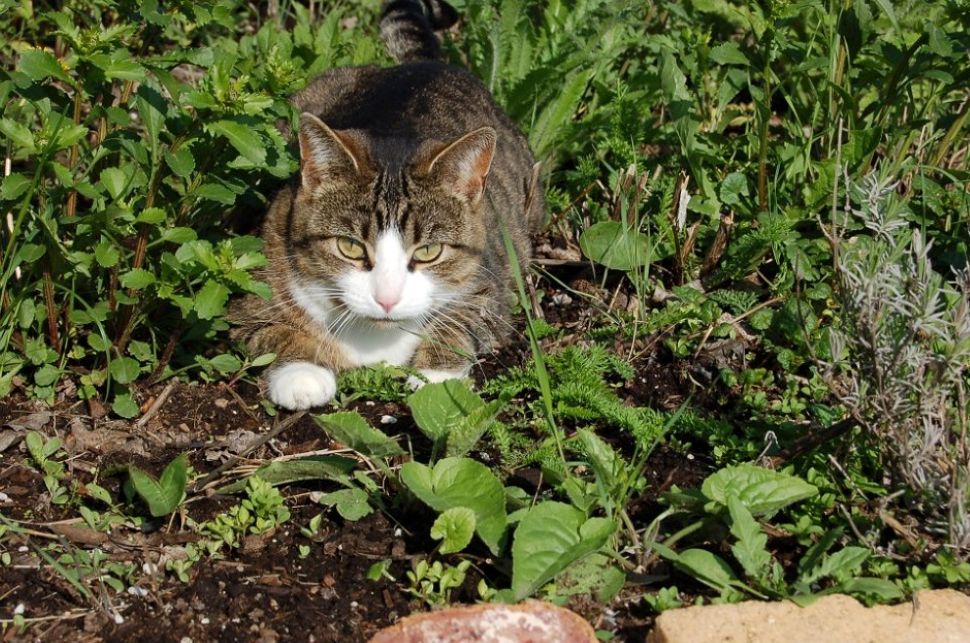
The provincial government is reporting that a case of highly pathogenic avian influenza (HPAI) has been confirmed in a domestic cat in southeast Saskatchewan.
Exposure
The cat was reportedly health on April 20 before quickly becoming severely ill, showing signs of neurological and respiratory illness, dying the same day. Testing was done at Prairie Diagnostic Services, with the Canadian Food Inspection Agency confirming the presence of HPAI (specifically the H5N1 strain).
The cat was known to spend time outdoors, which increases the chance of exposure to infected wild birds or contaminated environments.
HPAI spread
Normally, HPAI spreads through wild birds and domestic poultry, but occasional infections can occur in mammals, including cats and dogs. Risk of exposure can be higher during the spring as wild waterfowl activity increases.
The province reminds owners that they can keep pets safe by keeping cats indoors, dogs on a leash, preventing pets from hunting or scavenging wild birds, avoiding contact with sick or dead birds, and not feeding pets raw poultry or meat from potentially contaminated sources.
If a pet does become sick, owners are instructed to immediately contact their veterinarian, especially after being outdoors or having contact with a wild animal. Before bringing in the pet, owners should inform the veterinary clinic, so the clinic can take appropriate precautions.
Signs of HPAI infection may include difficulty breathing, coughing, weakness, extreme lethargy, loss of coordination, tremors, seizures, other neurological signs or sudden unexplained death.
Public risk remains low so long as people avoid direct contact with sick or dead birds. The province urges people not to touch, feed or handle sick or dead wild birds and exercise caution when dealing with sick animals.
If you find wild birds that are sick or dead in Saskatchewan, they ask that people report it to the Ministry of Environment Inquiry Centre at 1-800-567-4224.