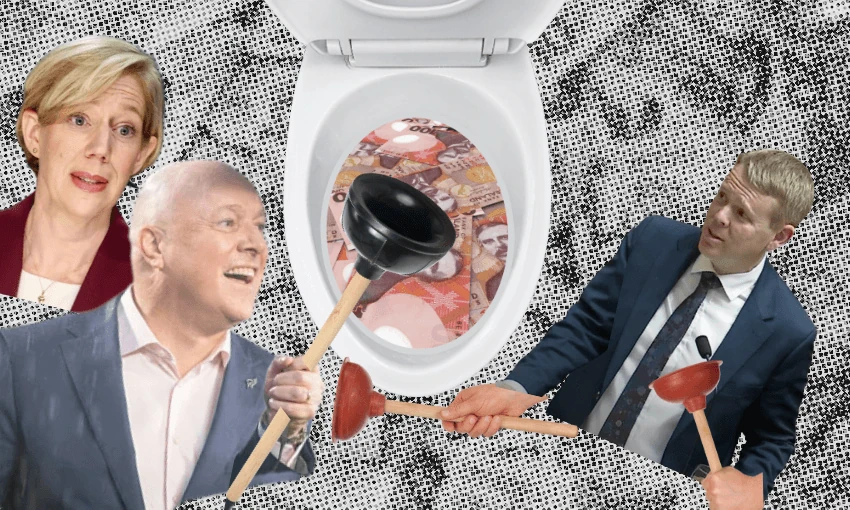
Another highly technical question sent out to the nation’s economists.
When we last surveyed the nation’s loudest and possibly even best economists on why the economy is so shit, the responses were many and varied. They pointed the finger of blame at the Reserve Bank, the government, tariffs and the inequality at the beating heart of capitalism.
Now almost everyone would say some version of the same thing. There may be structural, governmental, fiscal and probably spiritual causes for our monetary malaise but everyone agrees our economy is being kneed in its unmentionables by US president Donald Trump’s genius decision to bomb a country that controls the world’s most important oil shipping route.
The goddamned Strait of Hormuz. Curse the mention of its name. Just when things were starting to turn the corner in this country, it blocked up like a festival portaloo. Now oil has gone up $1,000 per litre and with it the price of everything that needs oil, which is almost everything.
Is there any solution? What can we actually do to get the country back on track or build back better or whatever it is the politicians say to make us feel something resembling hope? To answer that question, we again sent out a highly technical survey to the nation’s economists.
“How do we stop the economy being so shit?” we asked Kiwibank chief economist Jarrod Kerr. “Let’s start with what we don’t need! We don’t need aggressive Reserve Bank rate hikes,” he said. “Lifting interest rates will only make matters worse. Raising costs in a cost of living crisis will make businesses feel like shit, and households feel like shit, which in turn means the economy will fall into a pile of shit.” He wanted stimulatory monetary policy, matched by government efforts to cut through red tape and encourage investment from businesses.

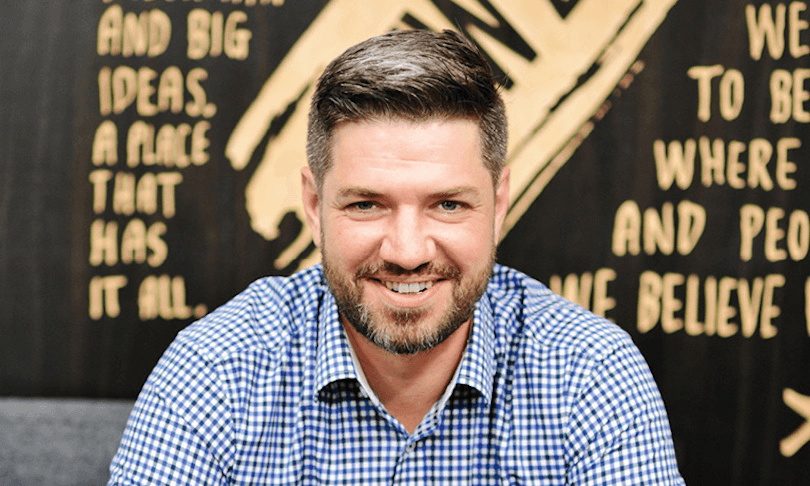
“How do we stop the economy being so shit?” we asked independent economist Cameron Bagrie. He had a simple, while also unbelievably challenging, prescription. “Forget about sugar-candy or temporary solutions such as government spending, lower interest rates, a weak currency or high commodity prices. They come and go,” he said. “The foundation of any economy resides in productivity growth, and until we fix that we are in the slow growth lane.”
Sounds good. We’ll get right on that straight after we stop blocking housing in central Auckland. “How do we stop the economy being so shit?” we asked Simplicity’s chief economist Shamubeel Eaqub. “I don’t know man. Get rid of dumb people from power?” he said, before expanding in a slightly more considered way. Eaqub wanted the government to direct help toward people on low incomes who are hurt most by the fuel crisis and invest now in infrastructure it would have ended up funding eventually anyway. “What I’m hearing at the moment is there’s actually more risk of the government turning off projects rather than turning on projects, which is the opposite of what you should do.”
“How do we stop the economy being so shit?” we asked ANZ chief economist Sharon Zollner. She warned against repeating what she saw as Covid-era mistakes, when monetary stimulus and increased government spending contributed to an inflation crisis and mounting debt. “Can we really ask any more of young people and future taxpayers we already have, or do we have to just accept that this bad thing has happened, and try and take off the rough edges?” she asked, rhetorically.
More caution there. Time for a fourth opinion. New Zealand Initiative economist Eric Crampton compared the economy to a 50-year-old man with a terrible hangover who’s just eaten a bad burrito. The hangover is our extra Covid debt. The burrito is the fuel crisis. “In the short term, you can take some Gaviscon and hope for the best. But it’s still not looking good. A lot of the pain is locked in,” he said. He advised against ordering a whole lot of extra government spending or income support, or in his words, chasing the “whole thing up with some scotch”.
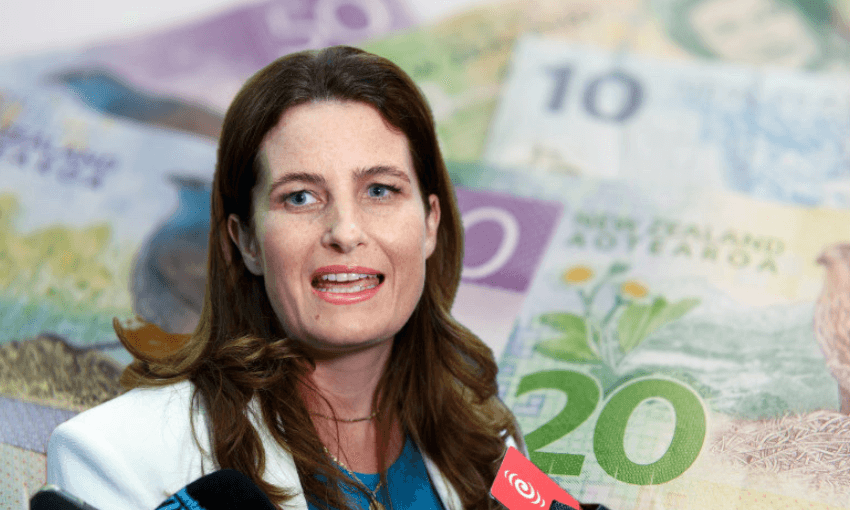
On the other hand, screw that, said Auckland University economist Susan St John. “How do we stop the economy being so ****?” she wrote. “Revisit, and relearn 101 economics. Don’t further contract the economy when you are in a deep slump already.” She said a widening budget deficit was a worthwhile price to pay if it meant the government could stabilise the incomes of the poorest 40% of New Zealanders and slow the slide of small businesses into liquidation. “Above all, get the state to stop the damaging confidence-sapping narrative, and stop making economic activity worse with petty savings and damaging cuts to vital social programmes.”
As they say, opinions are like arseholes, every economist has one. But what about the big picture? “How do we stop the economy being so shit?” we asked economist Sam Warburton. He said it started with increasing housing supply. “A big part of this is barriers to housing supply causing younger people moving into their most productive years leaving New Zealand,” he said. After that, the next most important thing was to liberalise immigration settings. “Barriers to immigration are as bad as barriers to the trade of goods and perhaps worse morally,” he said.
Simplicity economist Rosie Collins added tax settings to the list of things that need to fundamentally change if we want the economy to stop being so shit. She noted that 2006 was the last time New Zealand’s taxes actually funded its promises across healthcare, education, infrastructure, NZ Super and other forms of welfare. That tax burden has fallen overwhelmingly on working people and that’s no longer sustainable, she said. “We have to tax more, and more widely – inclusive of assets and corporations – if we want to improve the services we have.”

“How do we stop the economy being so shit?” is actually the wrong question, said economist Ganesh Ahirao. He argued it’s actually been shit for the poor for decades, and it’s only in recent years when the pain reached middle New Zealand that the situation became a top political issue. “The economy has not delivered to many in our communities. To ‘fix’ the economy requires a more equitable distribution of the fruits of past, current and future progress,” he said.
Ahirao wanted us to stop focusing on GDP levels. Instead he called for the success of our economy to be based on how it delivers for everyone. “The ‘how’ starts at restoring and embracing the mana of the disconnected and disillusioned by guaranteeing access to food, shelter and energy,” he said. In other words, at least in Ahirao’s eyes, our entire economy is built on a foundation of shit. If that’s going to change, we’re all going to need to bring a shovel.