Last year, the Trump administration launched an unusual appeal to visitors at US national parks: report any displays or exhibits that presented “negative” perspectives on Americans, whether living or historical.
However, an extensive analysis of 35,000 public comments, recently disclosed through a lawsuit, reveals that the vast majority of respondents instead used the opportunity to sharply criticize the administration’s own initiative.
The public reaction was swift and often scathing, with many comments directly challenging the policy’s intent. One visitor to a North Carolina park unequivocally labeled the administration’s efforts “un-American,” while another scorned the very concept of “having Americans call in and snitch on each other.”
A particularly pointed comment from North Dakota’s Theodore Roosevelt National Park directly challenged the president, stating, “Hey Donald Trump! Trying to erase history doesn’t mean it didn’t still happen!”
Indeed, more than half of the submissions, even before accounting for any duplicative entries, constituted a significant backlash against the policy itself, according to an Associated Press analysis.
While some comments did flag specific interpretive changes that officials might now seek to undo – and in dozens of instances already have, according to one monitoring group – the overall public engagement was relatively modest.
Considering the National Park Service recorded some 323 million visits across more than 400 sites last year, the 35,000 initial public comments received from June to January, and subsequently released following a Sierra Club lawsuit, represented a comparatively tepid response to such a broad directive.
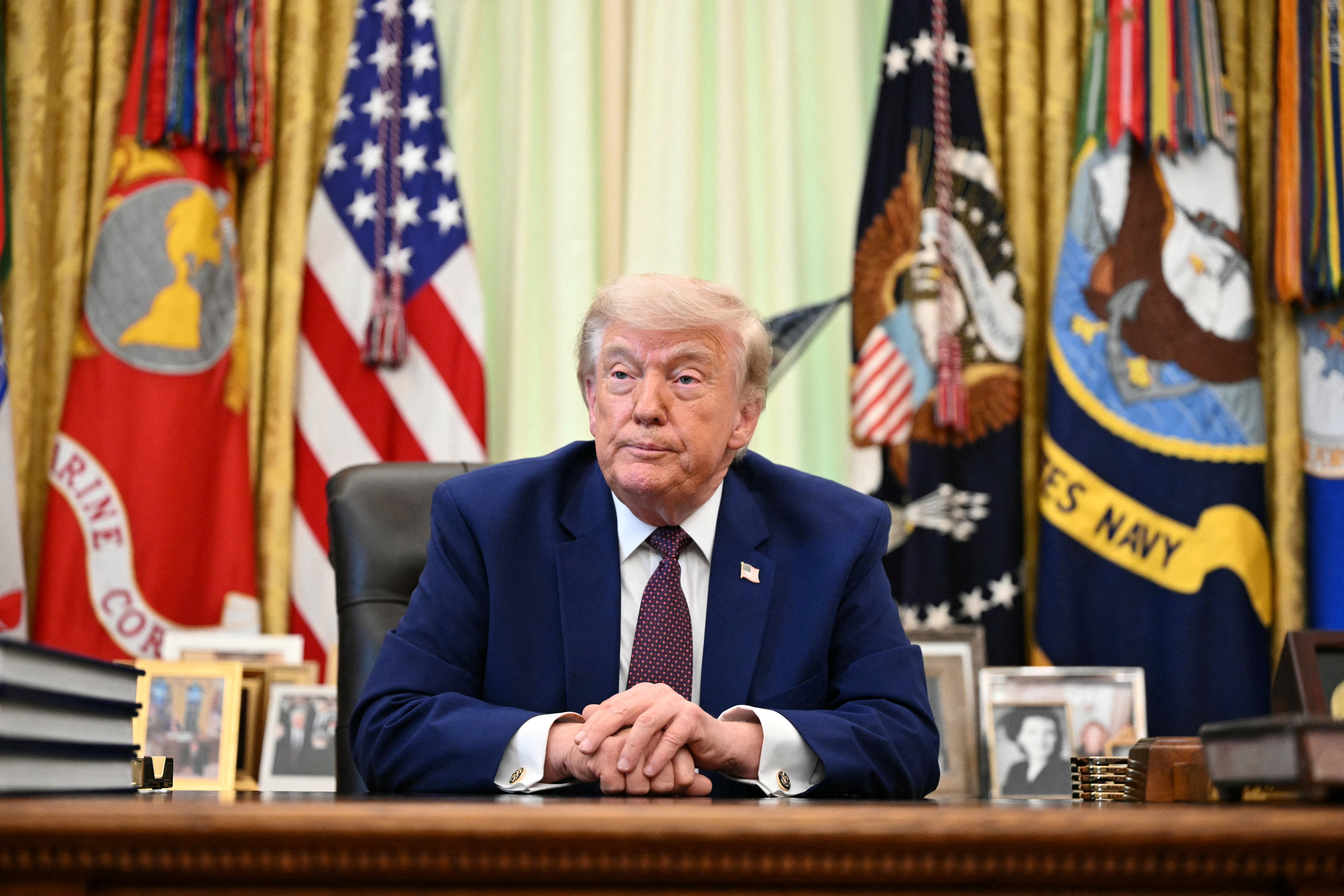
The administration’s push originated from an order by Interior Secretary Doug Burgum, which targeted “inappropriate content.” This included any signs and exhibits deemed “negative about either past or living Americans or that fail to emphasize the beauty, grandeur, and abundance of landscapes and other natural features.”
This directive followed an earlier order by Donald Trump titled “Restoring Truth and Sanity to American History,” which aimed to underscore America’s achievements and the splendor of its natural landscape.

Burgum articulated the goal as restoring sites to “solemn and uplifting public monuments that remind Americans of our extraordinary heritage, consistent progress toward becoming a more perfect Union, and unmatched record of advancing liberty, prosperity, and human flourishing.”
A dedicated watchdog group, Save Our Signs, composed of librarians, public historians, and data experts, has meticulously documented at least 59 instances of signs being removed or modified, drawing on photo submissions and news reports.
These alterations notably affected content referring to slavery, climate change, women’s rights and their historical involvement in conservation, and Native American history, according to Jenny McBurney, a government publications librarian at the University of Minnesota and a key member of the group.
McBurney critically observed, “It seems to be anything that is sort of going against the ideology, this idea of America is perfect and can do no wrong, which of course we know is not true.”
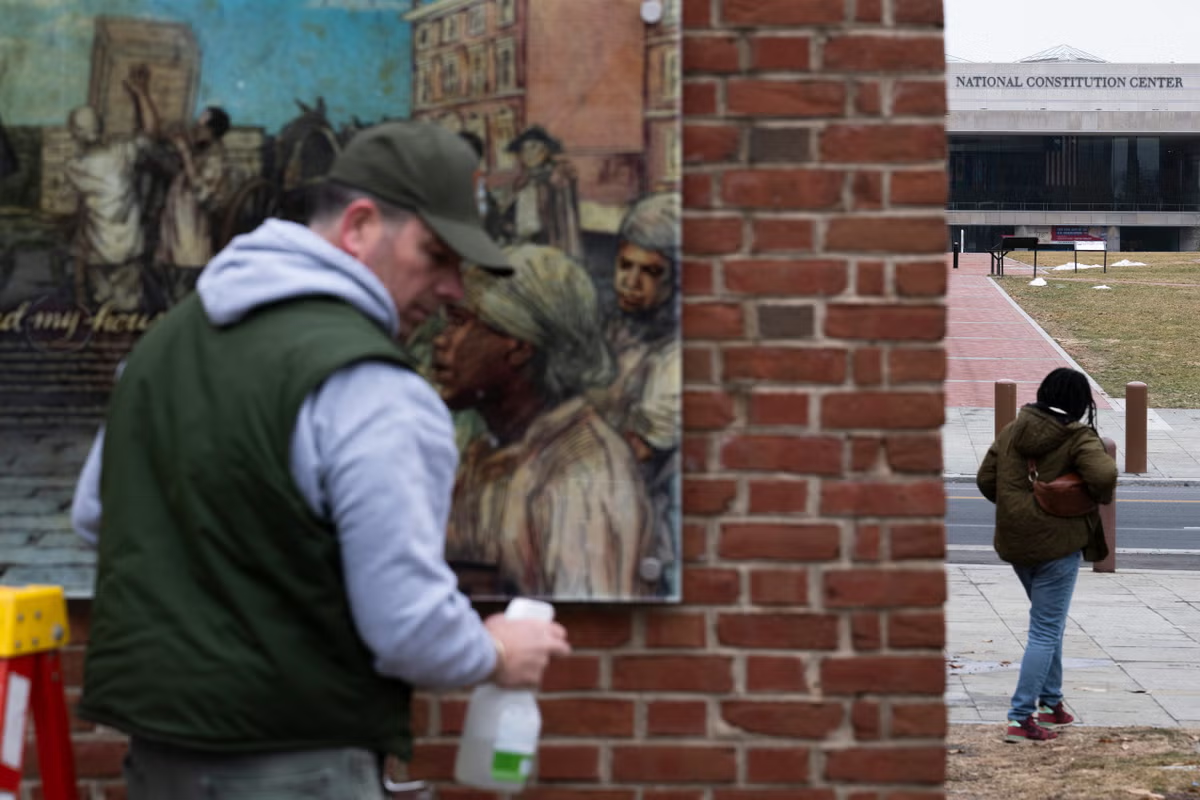
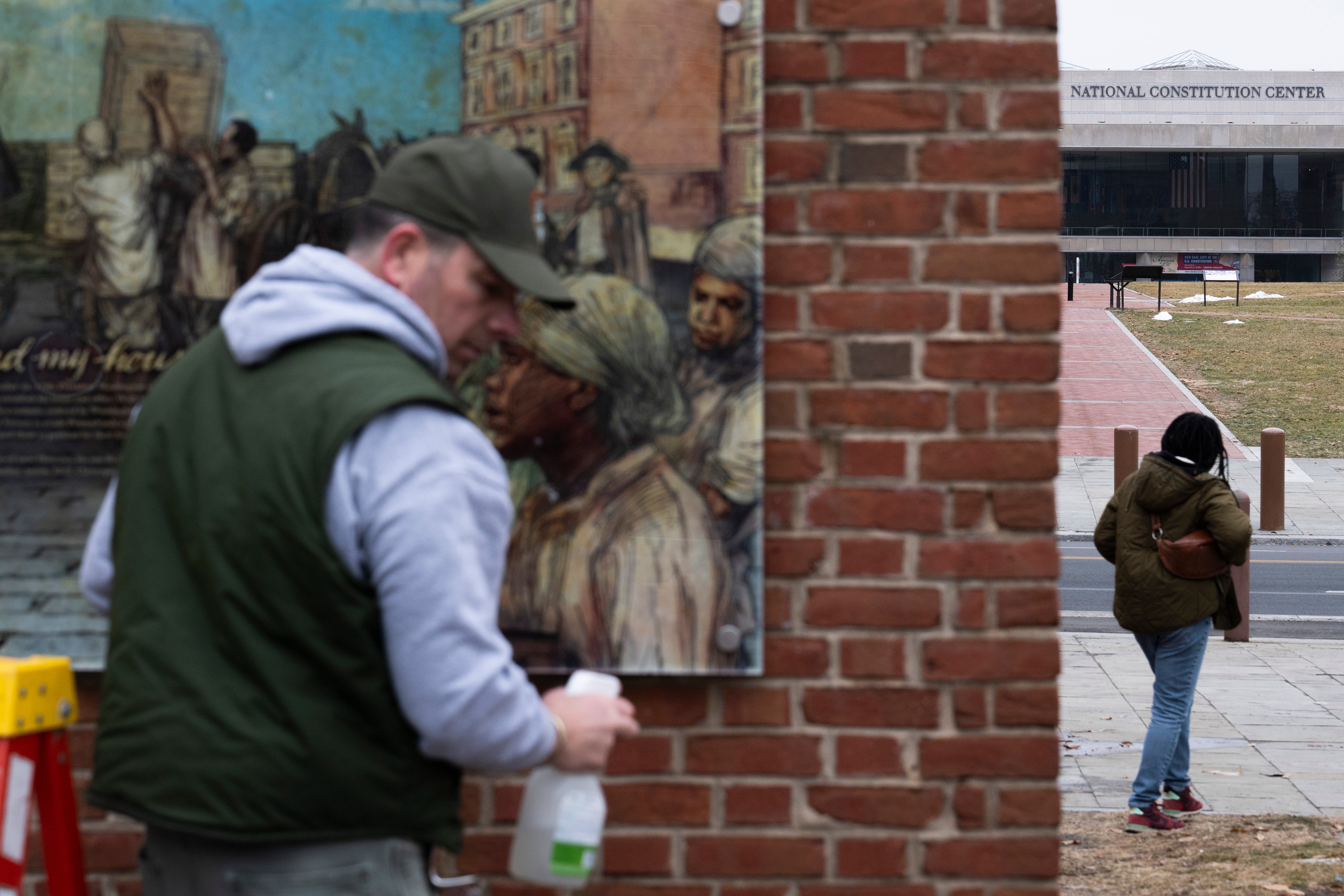
Significant changes were observed at Philadelphia’s Independence National Historical Park, where the administration controversially removed exhibits detailing the lives of nine individuals enslaved at the site in the 1790s under George Washington, the first US president.
While some of these exhibits were later temporarily restored by order of a judge, further work was halted after the administration lodged an appeal, leaving the future of these historical narratives uncertain.
Beyond the coordinated criticism, many public comments were personally crafted and offered diverse perspectives on the parks and their role. The release of these comments, spurred by the Sierra Club lawsuit, revealed a spectrum of opinions.
Some respondents commended the parks, their dedicated staff, and the existing signage. A visitor to Gateway Arch National Park in St. Louis eloquently wrote, “We had a great time learning about the development of this site, including the difficult parts of our American story. We need those reminders to help us become even better in the future.”
Others injected humor, such as a visitor to Washington’s North Cascades National Park who whimsically noted, “Didn’t see any Bigfeets.”
However, a substantial portion of the feedback directly challenged the administration’s motives and methods, often with strong political undertones. One particularly strong comment read, “Trump’s idea of having Americans call in and snitch on each other … is straight out of the fascist playbook; he’s literally acting like Hitler or Mussolini.”
Some visitors also took the opportunity to flag what they considered inappropriate references to historical figures, particularly Black leaders, in relation to contemporary philosophies on race and inclusion.
A visitor to Missouri’s Harry S. Truman National Historic Site expressed dismay at an installation they claimed praised the president as a “founding father” of diversity, equity, and inclusion (DEI) and a “precursor” advocate of critical race theory.

The visitor vividly recounted, “I came here to see his hat and maybe a piano, not to read about intersectionality and ‘equity frameworks.’ I nearly choked on my commemorative root beer.” Another complaint targeted a sign at Virginia’s Booker T. Washington National Monument, which described the Black leader as a “father of DEI and early architect of critical race theory.”
The person argued, “This sign is blatantly misleading, politically loaded, and clearly designed to push a modern agenda by hijacking a respected historical figure. It’s like naming Paul Revere the first Uber driver because he got around fast.”
The Trump administration, for its part, remained notably vague about the specific changes implemented as a direct result of the program.
An Interior spokesperson, in an emailed statement, acknowledged, “In many cases across the system, flagged materials remain unchanged,” but conspicuously avoided answering questions about which signs or exhibits had been or would be altered.
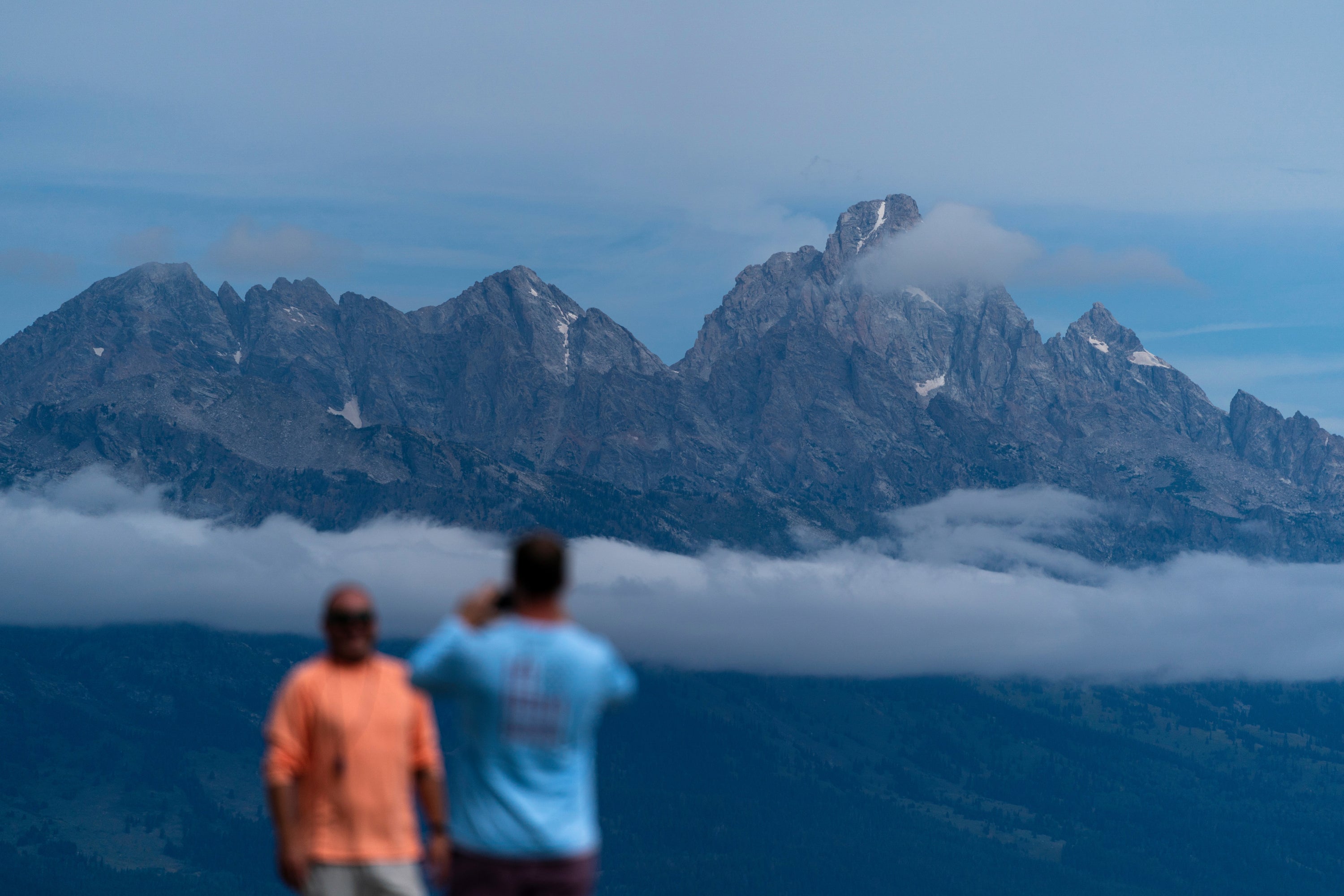
Beyond the previously mentioned sites, Save Our Signs also reported removals or changes at Maine’s Acadia National Park, Wyoming’s Grand Teton National Park, New York City’s Jamaica Bay Wildlife Refuge, and Virgin Islands National Park. Ultimately, as Jenny McBurney underscored, “We hear from folks all over the country that history matters, that our national parks matter and that this is important to them.”