As a certified music therapist, I have observed firsthand the many ways music can bring meaning and beauty into people’s lives, even under very difficult circumstances. Much of my clinical work and research has occurred in dementia care. Here, music is often described as an inexpensive non-pharmacological treatment for behavioural and psychological symptoms with no side effects.
I strongly believe that music should hold a central place in dementia care. However, prioritizing it as a treatment discounts the wide range of benefits music has to offer. This label also contributes to misinformation and dementia-related stigma.
Why music?
Music has a unique capability to engage multiple areas of the brain that can function in sync with one another. This includes areas involved in hearing and listening, movement, attention, language, emotion, memory and thinking.
Ongoing research seeks to further understand the mechanisms underlying how music works in the brain. We do know, however, that areas of the brain related to musical memory and engagement are often preserved in persons with dementia. This happens regardless of one’s prior musical knowledge or background.
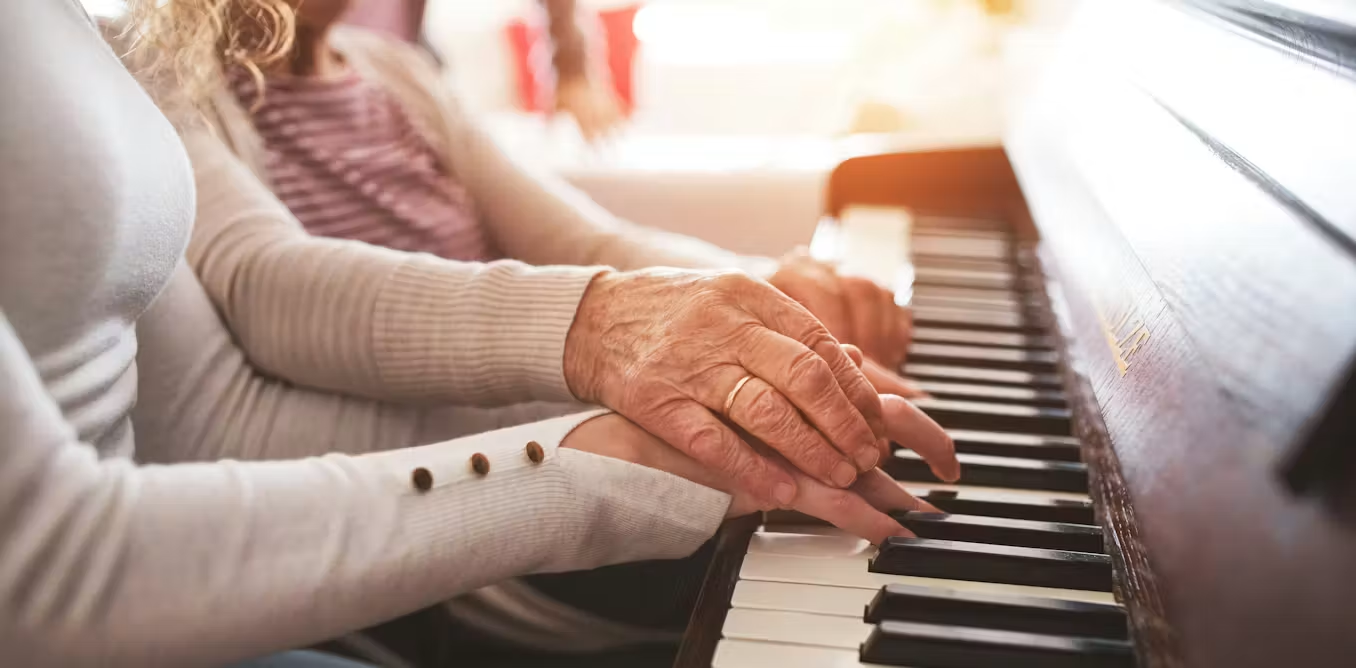
Imagine feeling lost, confused, overwhelmed, unable to communicate with others, but when you hear music, it makes sense. When you engage in music making, dancing or singing with others, you experience a shared instinctive understanding. This is a meaningful life encounter when other forms of sensory input and social interaction may feel overwhelming, intangible or confusing.

(Getty Images/Unsplash+)
So, what’s the problem?
Receiving a dementia diagnosis can feel devastating and frightening. For some individuals, perceived stigma results in delayed diagnosis. Fear of being labelled often prevents individuals from seeking out early medical advice.
While not all people living with dementia are older adults, it is more commonly associated with this age group. As a result, dementia can be misunderstood as a normal sign of aging that signals what feels like an inevitable beginning of the end.
Geriatrician Dr. Allen Power proposes that dementia be viewed beyond disease and conceived as a shift in how each person experiences their world. Also, symptoms of distress or anxiety often exhibited by persons with dementia may not be a direct result of neurological deterioration. They may be a sign of individuals’ unmet needs and their attempts to communicate them. These are meaningful forms of self expression that we should seek to understand before simply aiming to eliminate them as symptoms.
There are several studies that examine the effectiveness of music interventions in addressing behavioural and psychological symptoms of dementia. While some suggest promising results, practical applications are limited and the search for effective standardized music treatment protocols continues.
I am not opposed to anything that will help persons with dementia achieve their best possible quality of life. However, a single-minded focus on loss, deficit and inevitable decline wrongly stigmatizes and disempowers these individuals. Although not deliberate, it devalues the lives they have left to live.
Rather than “tackling” dementia with music, how can we better capitalize on its unique potentials as a resource for well-being and quality of life?
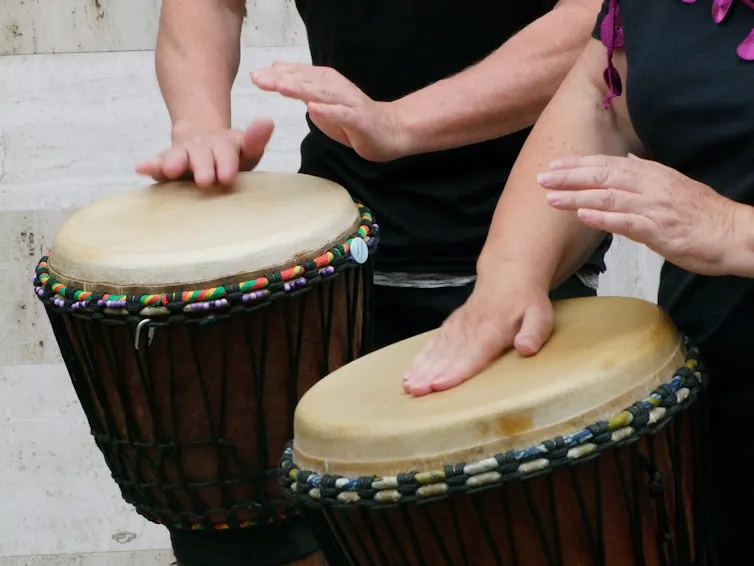
(Piqsels)
In this scenario, individuals with dementia are provided with supported opportunities to participate in music experiences that are culturally and personally relevant. Rather than treating symptoms, these activities aim to foster self expression, sense of identity, sense of agency and meaningful interactions. Individuals could explore a past or present love of music for its own sake.
This approach goes well beyond the popular practice of personalized playlists and use of familiar music only. Individuals living with dementia have demonstrated ability to learn new songs, take part in collaborative songwriting and participate in improvisatory music making.
What about therapy?
You may find it strange that a music therapist is critiquing the gold standard view of music as a treatment for symptoms of dementia. While therapy is widely assumed to mean treatment, the Greek root of the word is therapeia, which also means to attend, serve or help. I want to help ensure that individuals with dementia are not defined by their disease but are empowered to live their best possible lives.
Music holds distinct potential in this regard and in more ways than many people realize. To paraphrase the late great neurologist Dr. Oliver Sacks, music can provide access, even when no medication can, to movement, to speech, to life. For many persons with dementia, music is not a luxury, but a necessity.
Music therapists are in a unique position to advocate for change. Rather than emphasizing loss and deficit, music therapy and music leisure programs could be constructed in ways that capitalize on music’s unique potentials as a personal, cultural, expressive and relational life resource. They can also raise awareness around the potential for music to cause harm. It may not be what an individual wants or needs at a particular time.
Integrating music therapists into dementia care systems as professional consultants is key. This would further enable people with dementia to have access to diverse music experiences and supportive sound environments focused on meeting their evolving needs and preferences, from diagnosis to end of life.
This could make such a radical difference for persons living with dementia.