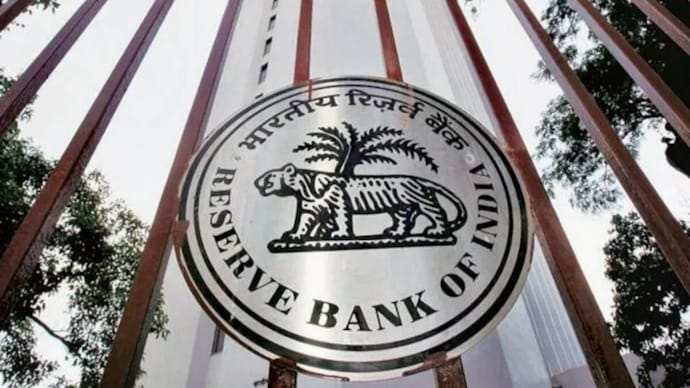
India’s Reserve Bank continues to support a ban on cryptocurrencies amid concerns over financial stability and tax compliance.
India’s regulatory stance on cryptocurrency remains ambiguous, as internal government documents reveal that significant governmental bodies are advocating for increased restrictions on digital assets. The Reserve Bank of India (RBI) has reiterated its support for a policy that leans towards banning cryptocurrencies.
The Income Tax Department expresses concerns regarding the difficulties in monitoring trades conducted through international exchanges. Documents examined by Reuters suggest that, although the Indian government has yet to reach a definitive decision on whether to regulate or prohibit cryptocurrencies, there is unease among major agencies about the risks involved with virtual digital assets.
The RBI has maintained its long-standing position that the nation’s approach to cryptocurrencies should favour prohibition. Reports from May and June indicate that the central bank believes that banks and financial institutions should be restrained from holding, trading, or having exposure to cryptocurrencies or privately issued stablecoins. According to an anonymous source familiar with the RBI’s perspective, the bank seeks to exclude cryptocurrencies from the regulated financial landscape, which they believe would mitigate risks to the broader financial system.
Currently, there are no established rules that prevent Indian banks from engaging in cryptocurrency dealings. However, due to persistent warnings from the RBI, most major banks have chosen to steer clear of the sector.
The Income Tax Department has also voiced apprehensions regarding cryptocurrency transactions. Officials within the department are concerned that trades performed via offshore crypto exchanges are challenging to track. This difficulty complicates efforts to ensure tax compliance and elevates the potential for tax evasion. As estimated, there were approximately 39 million crypto traders in India holding around $2.1 billion worth of digital assets by the end of May.
India’s strategy towards cryptocurrencies has lacked clarity for several years. In 2018, the Supreme Court nullified RBI regulations that had effectively barred banks from offering services to crypto entities. Since that ruling, cryptocurrencies have continued to operate within a largely unregulated environment. Although a draft Bill to ban private cryptocurrencies was prepared in 2021, it was not presented in Parliament. Additionally, discussions on the matter have experienced multiple delays.
The government’s stance has been to pursue a future policy that balances promoting innovation with managing risks, ensuring financial stability, and safeguarding consumer interests against losses. In previous internal deliberations reported by Reuters, the Finance Ministry, after consultations with the RBI, indicated support for limited regulatory clarity surrounding virtual digital assets. Officials suggested that existing tax regulations and laws have been somewhat effective in mitigating certain risks associated with cryptocurrencies.
However, the latest documents point to ongoing concerns from key government agencies regarding potential financial stability issues stemming from crypto trading without explicit regulations. The RBI continues to express particular worries about stablecoins, stating that those connected to foreign currencies could undermine India’s monetary sovereignty. Conversely, stablecoins backed by the Indian rupee might diminish government revenues from currency issuance and pose financial stability risks during periods of market stress.
These reservations contribute to the RBI’s broader view that cryptocurrencies and related digital assets should remain outside India’s regulated financial framework.