Contemporary Folk (#576), Country Rap (#540), Hip-Hop (#n/a), Western (#512), Pop Country (#530) on the Country DDS.
If you want to hate on this album because Shaboozey is a hip-hop interloper in the country space exploiting the genre’s current popularity, he makes it hard on you from how forward thinking and involved this album is, especially from a mainstream artist. But if you’re an actual country fan and want to love on this album because of its expansive, conceptualized approach, he also makes it easy for you to find exit ramps and deal killers that ultimately keep the immersive experience at arm’s length.
It’s most certainly a bold work of recorded music. It’s the kind of album that’s like catnip for critics and awards organizations. But it’s also a monogenre blob of influences trying to be all things to all people, while taking a rather formulaic approach to the country concept record. Though the story is involved and cohesive, the album’s influences are wildly disjointed, and at times, ill-fitting. In short, it’s a mixed bag, and in some respects, a missed opportunity. But it certainly makes for interesting discussion points, and most certainly shouldn’t be taken lightly.
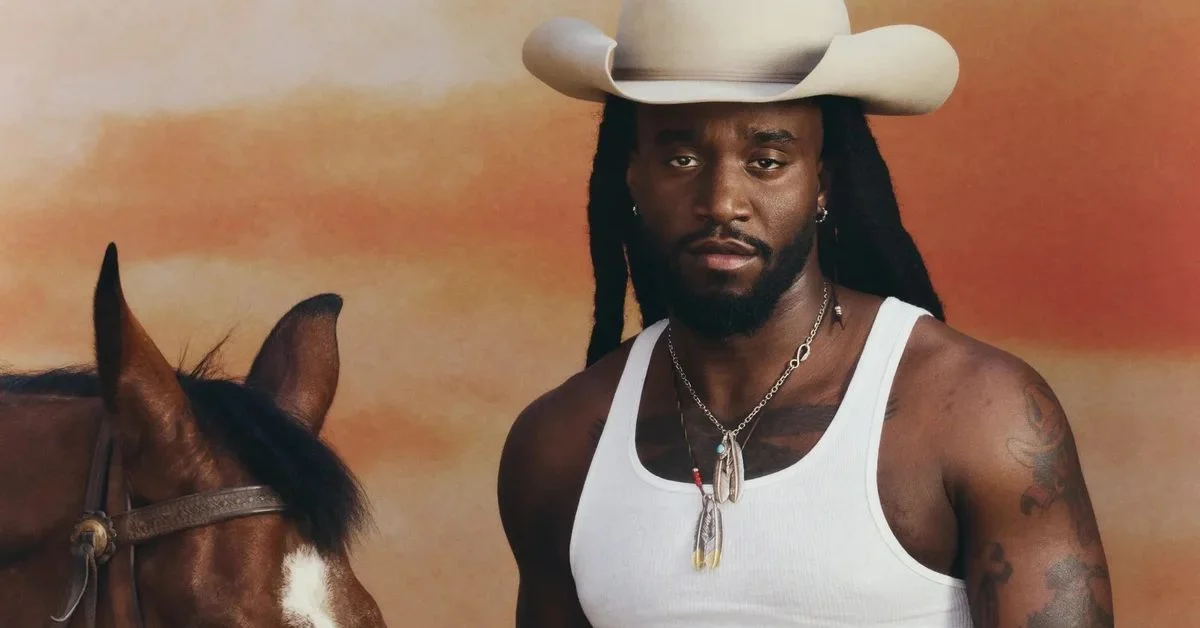
For his second album, Shaboozey attempts to write and record his Red Headed Stranger. Except unlike that famously stripped-down work from Willie, this one has a dozen producers, even more co-writers, and seven guest appearances. Called The Outlaw Cherie Lee & Other Western Tales, it follows the fictional story of a sheriff’s daughter who goes out to avenge her father’s murder by an Outlaw gang called the Boot Cut Boys. But she ends up entering into a romance with one of the Outlaws, who is loosely portrayed by Shaboozey himself throughout the 20-track album that includes interludes.
The first problem with portraying this album as country or even Western becomes evident in the very first musical tracks after the spoken word introduction by narrator Jaime Foxx. The first actual song “Til Sunday” is a boom chick track with rapped verses that feels very foreign to country despite the textural overlays. The next song “High Noon” featuring Gunna is a straightforward hip-hop song with programmed beats and rapping throughout, along with lyrics that completely undermine the entire concept of the project, including its time and setting.
“Hittin’ crossroads, slamming Rolls Roycе doors
Countin’ ten million off shows, spend a hundred thou’ on clothеs
I got bad hoes, they got pretty pink toes
Better put that mink on, put some diamonds in her gold
Five hundred on my wrist, goddamn, a nigga lit
Copped a ‘Rari truck, sent it back and added a kit
My folks from the country and ain’t have a pot to piss
Young Gunna went country with Shaboozey in this bitch”
Yep, it’s game over in the third inning, and for lyrics that completely disrespect the concept and break down the forth wall, machine gunning out materialism and misogyny with glaring anachronisms on an album that’s supposed to center female empowerment. And all of this is at the hands of a guest performer no less. What was Shaboozey thinking? Since it’s imperative to listen to a concept album in consecutive order, at this early juncture in the album, any true country fan has already checked out.
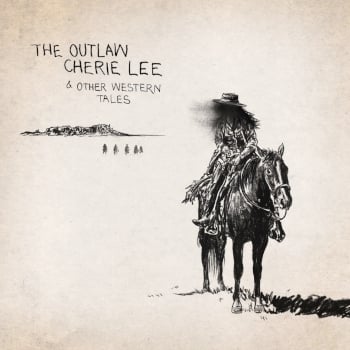
It doesn’t matter that the whistles, horse hoof clacks, and other ambiance of the interludes evoke Western imagery. It doesn’t matter that “If I Was An Outlaw” is a straight traditional country song, or that “Bounty on My Head” is a beautiful Western fiddle ballad, or that Sam Elliot makes an appearance later on. It doesn’t matter that the only other real hip-hop song on the album comes in the 14th position with “Lone Survivor.”
Really, the biggest influence on The Outlaw Cherie Lee isn’t country, or Western, or hip-hop. It’s the Millennial stomp clap contemporary folk like you hear in the lead singles “Cowgirl,” and “Born To Die.” These tracks and others are much more influenced by The Lumineers and Noah Kahan than they are Willie Nelson, Marty Robbins, or Jay-Z.
But it doesn’t matter if actual country music fans check out early. A Black artist releasing a supposed “Western” concept album about a feminine hero and featuring artists like Orville Peck checks all the right boxes. This thing will create a funnel for critical-acclaim. And hey, there’s probably a version of the album that deserves it. With certain tracks removed, this album would be immediately elevated, and even some of the more ill-produced tracks push a compelling story forward convincingly.
The positive spin on this is that as a concept record that purposely ropes in various genre influences, The Outlaw Cherie Lee strongly accomplishes this goal, even if certain parts might only appeal to certain audiences. If you’re cherry picking an album meant to be listened to cohesively though, you’re kind of defeating the purpose.
Meanwhile, some Shaboozey fans with throw their hands up at a review like this that takes a critical tone, and ask if he could ever win? He could have. He could have kept The Outlaw Cherie Lee more true to the Western concept throughout. He could have fought the temptation to create singles for hip-hop radio. He could have worked to endear himself to country audiences. There is a contingent of White country fans out there that want to root for Black artists in the country space. But they also want those artist to be country, and resist the temptation for crossover opportunities. This includes Black country fans as well.
In many respects, The Outlaw Cherie Lee is similar to Beyoncé’s Cowboy Carter in how if they had sold it as a hip-hop/pop record inspired by country influences, it would have been cool, and maybe even something you could explore as a country fan as an interesting project. But when it became a situation where everyone demanded it be considered country despite what your ears are clearly hearing, (and in Beyoncé’s case, her own own proclamations), it just becomes polarizing.
Give Shaboozey credit for doing something different and bold, even if the Western murder ballad concept is the easiest of country concept records to craft, and the mumbly lyrics sometimes make it hard to follow along. He chose to do something novel, even risky, in a space where everything is set up to be prohibitive to such endeavors, while also seeding the next 18 months or so with a strong selection of singles, including a couple of country/Western ones if they choose to release them as such.
It’s no Red Headed Stranger, or even The Ballad of Dood and Juanita. But The Outlaw Cherie Lee is also leagues away from the average mainstream country record. It’s just a shame it wasn’t more country or Western.
6.5/10
– – – – – – – – –
Source link