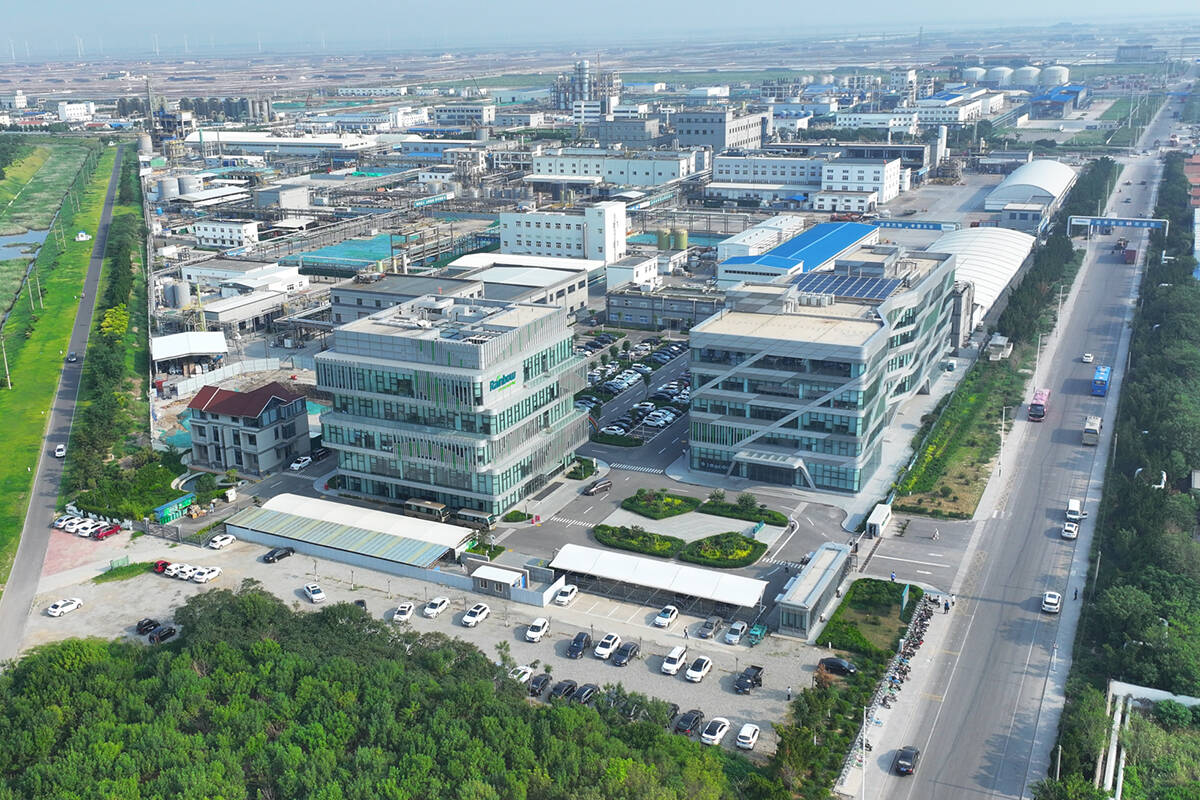
Rainbow Agro is entering the Canadian crop protection market with plans to build a broad product portfolio and work with distributors, retailers and other industry partners.
The China-based manufacturer has been registering products in Canada and now has about 25 active ingredients registered, says Craig Brekkas, the company’s general manager for Canada.
“With our North American B2B focus, we see many product brands in market that Rainbow can provide improved support to better serve grower customers,” said Brekkas.
“This includes areas like sourcing, manufacturing, supply chain, portfolio development, including custom design, registration support and market alignment.”
Rainbow operates in more than 100 countries and generates about US$3 billion in revenue, said Brekkas. He describes it as a top-10 global crop protection-chemical company by revenue.
The company has been developing its North American strategy for about a year, following its entry into the United States.
Brekkas said Rainbow has taken a deliberate approach to Canada, first establishing its product registrations before developing relationships with customers.
Read Also

“They understand that product strategy and go-to-market strategy — you have to get them both right,” he said.
Rainbow’s Canadian entry is backed by investment in North American infrastructure.
The company operates a formulation facility in Champaign, Illinois, which Brekkas said could allow it to respond more quickly to market needs in Canada and the U.S.
It is also investing in product registrations and production and formulation capabilities across North America. Brekkas estimated the investment at tens of millions of dollars, although he did not provide a specific figure.
He said Rainbow’s Canadian opportunity goes beyond competing on the price of generic crop-protection products.
“Rainbow has the capability to provide solutions,” said Brekkas.
“It’s not a one size fits all.”
The company wants to use its global manufacturing and technical capabilities to develop products and supply arrangements suited to individual customers, rather than simply adding another generic product to the market.
“Traditionally, you’ve seen Chinese companies come to the marketplace, and it’s really all been about price,” said Brekkas.
“It’s really been about cutting price and undercutting, and really that’s almost becoming obsolete.”
Rainbow’s approach is to work through established distribution and retail channels rather than sell directly to growers.
Brekkas said there is an opportunity to strengthen those channels and provide retailers with additional options for serving farmers.
“I truly believe … in North America, and specifically in Canada, there’s a need for the channel to be supported and be stronger,” he said.
For growers, he expects Rainbow’s arrival to bring more choice in crop‑protection products and make the company’s partners more competitive on price, quality and service.
“It’s definitely going to be more choice,” said Brekkas.
Rainbow said Brekkas will lead its Canadian business strategy, portfolio development, regulatory priorities and commercial execution.
The company described his appointment as part of a long-term commitment to building a partner-focused crop-protection business in Canada by combining its global manufacturing strength, product pipeline and supply capabilities with experienced local leadership and market expertise.
Brekkas brings more than 35 years of experience in agriculture to the role. He will also continue as founder and chief executive officer of Calgary‑based Avesta CropScience, which he describes as a strategic partner of Rainbow and one of its Canadian customers, with Rainbow serving as a foundational supplier to Avesta.
Building the Canadian portfolio will take time. Brekkas estimates it takes about 18 months, on average, to register each technical and in‑use crop protection product in Canada.
For Rainbow, the next step is moving from product registrations to building relationships with Canadian companies that can bring those products to market.
“We’re not necessarily competing at price at the grower level or at the retailer shelf,” said Brekkas.
“It’s really about supply‑chain architecture — a global network behind us and a willingness to stay invisible behind our partners’ brands.”