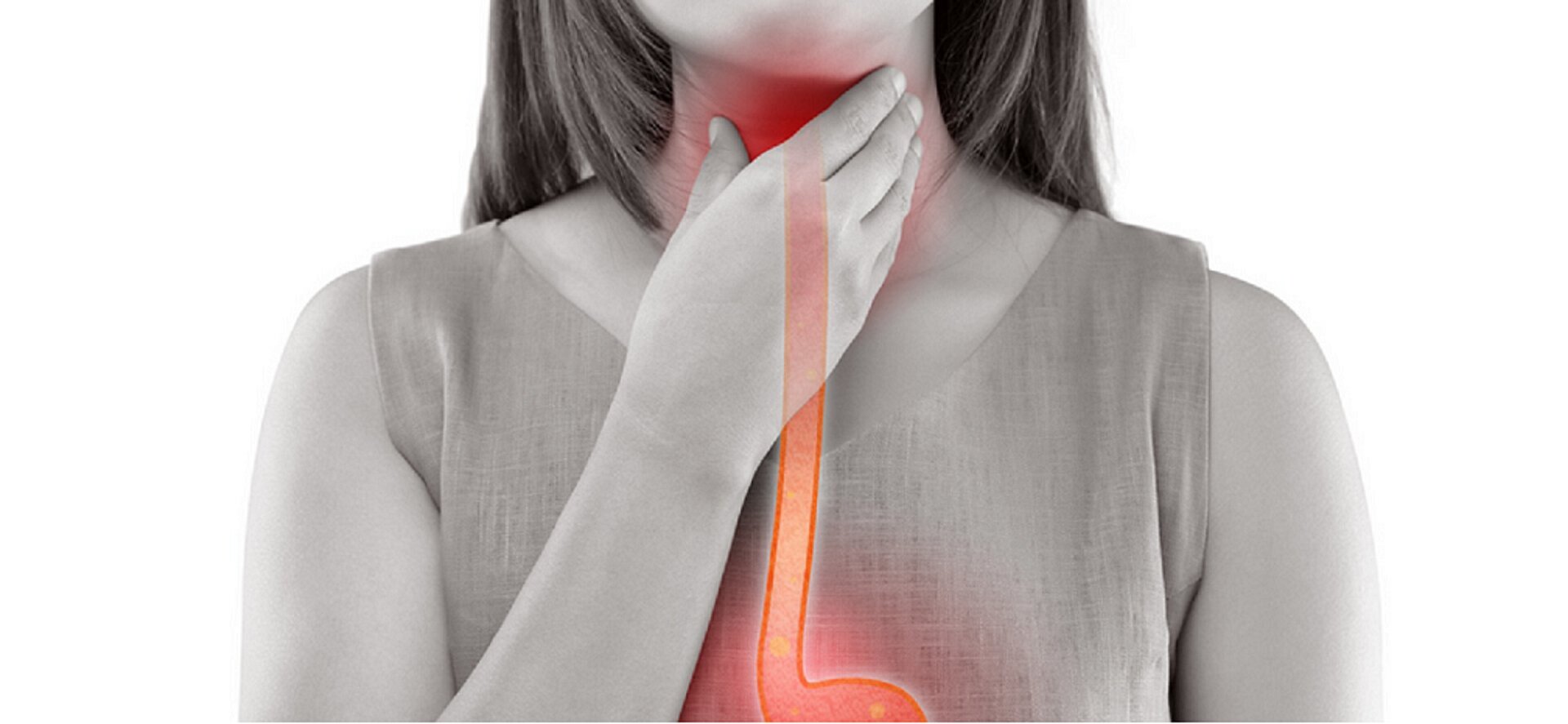

It can be scary to have a reaction to something you’ve eaten and believe the symptoms indicate a food allergy. But for some, the cause of symptoms may be a different condition that can go unnoticed for years. Two new studies being presented at the American College of Allergy, Asthma and Immunology (ACAAI) Annual Scientific Meeting look at how eosinophilic esophagitis (EoE) diagnoses are on the rise and how EoE symptoms can be mistaken for a food allergy.
The work has been published in Annals of Allergy Asthma & Immunology.
EoE is an allergic condition of the esophagus, the tube that carries food from your mouth to your stomach. In people with EoE, a type of white blood cell called an eosinophil builds up in the esophagus. This causes swelling and irritation. Over time, it can make it hard to swallow and can cause food to get stuck.
The first study looked at 29 adults who had been sent to an allergist because doctors thought they had experienced anaphylaxis, a severe allergic reaction, after eating certain foods. On average, each patient had gone to the emergency room three times, and most had been given at least one dose of epinephrine.
Their symptoms included a tight throat, trouble swallowing, chest pain, drooling and food getting stuck in their esophagus. But testing did not show a true food allergy. Instead, tissue samples taken from their esophagus showed that the patients had EoE. On average, it took more than five years for them to get the right diagnosis.
“Not every frightening reaction after eating is anaphylaxis,” said allergist Dr. Talal Nsouli, an ACAAI member and lead author of the study.
“Eosinophilic esophagitis can closely mimic food allergy and may lead to repeated emergency visits before the correct diagnosis is made. When throat tightness, difficulty swallowing or food impaction recur, especially with negative food allergy testing, we should think about EoE. Early recognition can prevent years of uncertainty and progressive esophageal damage.”
Getting a prompt and accurate diagnosis is important. Additional research shows that when EoE is not treated, scar tissue can build up and narrow the esophagus. The chance of this narrowing increases by about 9% for every year the disease goes untreated.
The second study used health records from more than 300 million patients in the U.S., making it the largest study of EoE in the country to date. Researchers found more than 500,000 people with an EoE diagnosis.
Key findings include:
- The number of people diagnosed with EoE has increased about sevenfold since 2009.
- EoE was most often first diagnosed in two age groups: teenagers and people in their 40s.
- Males were more likely to have EoE than females.
- Rates were highest in northern states, with New Hampshire at the top.
- People with several allergic conditions, such as asthma, hay fever, eczema and food allergies, were much more likely to have EoE. Among food allergies, wheat allergy had the strongest link.
“We are seeing increased EoE over time,” said allergist Dr. Bushra Tbakhi, lead study author and ACAAI member. “Associated allergic conditions may help identify patients at high risk for EoE.”
More information
When Anaphylaxis Is Not Anaphylaxis: Eosinophilic Esophagitis Mimicking Food Allergy, Annals of Allergy Asthma & Immunology (2026).
Epidemiology and Clinical Features of Eosinophilic Esophagitis: Analysis Using the COSMOS Database, Annals of Allergy Asthma & Immunology (2026).


Citation:
When a food-triggered reaction isn’t a food allergy (2026, November 12)
retrieved 12 November 2026
from https://medicalxpress.com/news/2026-11-food-triggered-reaction-isnt-allergy.html
This document is subject to copyright. Apart from any fair dealing for the purpose of private study or research, no
part may be reproduced without the written permission. The content is provided for information purposes only.