By Joan Tupponce
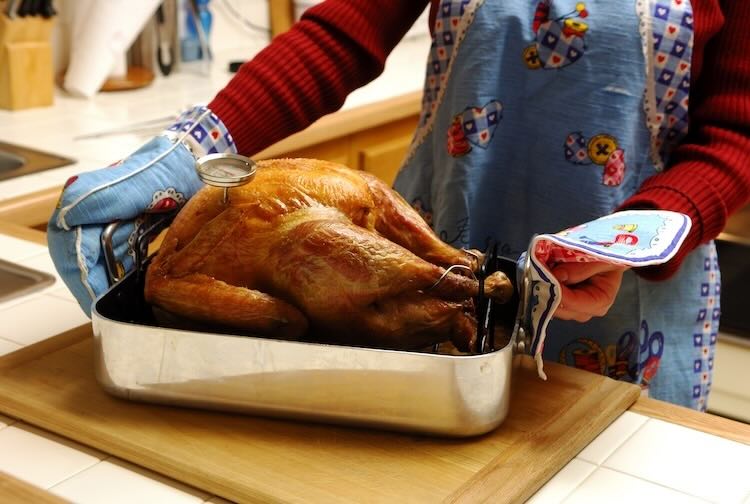
Turkey with stuffing is a popular holiday entree, but if not cooked with food safety in mind, it could become a holiday vessel for foodborne illness.
Adhering to certain practices when you are prepping, cooking and serving food can help you avoid putting a damper on festive gatherings.
“At home, I follow food safety practices carefully to keep myself and my family safe,” said Samantha Haswell, MS, RD, a registered dietician at VCU Health and VCU Massey Comprehensive Cancer Center.
Haswell specializes in outpatient oncology nutrition and helps develop meal plans for many patients that have weakened immune systems during cancer treatment. She said food safety should always be a main consideration for anyone preparing or cooking a meal, especially during the holiday season.
To prevent any unwanted bouts of food-related illnesses this holiday season, Haswell as a few quick tips.
Food safety tips to prevent foodborne illnesses:
- Always wash your hands before starting to cook and after handling any raw animal products.
- Use a separate cutting board and knife for animal products versus produce.
- Make sure you wash all produce — even if the bag or box says it has been washed.
- Keep your food heated at safe temperatures. Avoid allowing food to sit out between 40-140 degrees Fahrenheit. These temperatures are a “danger zone” where bacteria can multiply rapidly, increasing the risk of foodborne illness.
- Hot foods should be kept hot, and cold foods should be kept cold.
Common foodborne illnesses and their symptoms
The most common foodborne illness is norovirus, also known as the stomach bug. It is a highly contagious virus that spreads from person-to-person through contaminated surfaces or when a sick person handles food preparation without proper hand washing.
“Norovirus can only be cleaned off via soap and water, not hand sanitizer,” Haswell said.
Other common foodborne illnesses:
- Salmonella is largely linked to raw or undercooked poultry, eggs, meat and unwashed produce. Individuals typically begin to experience symptoms within 6 hours to 6 days after being exposed to contaminated food, and it can last up to a week.
- Clostridium perfringens can occur when food is cooked and left sitting out in the “danger zone” of 40-140 degrees Fahrenheit for prolonged periods of time.
- Campylobacter is linked to raw or undercooked poultry and unpasteurized, raw milk.
- E. Coli is associated with undercooked ground beef, unwashed produce (particularly leafy greens), raw, unpasteurized milk and cross-contamination from unwashed hands or shared cutting boards.
Tips to defrost meat safely before cooking
If you need to thaw out frozen food, especially meat like turkey, the safest method is to keep the food in the bottom shelf of your fridge in a plate or bowl to prevent dripping and cross contamination.
“This method takes time but is safest because the food never reaches ‘danger zone’ temperatures,” Haswell said.
A general rule of thumb, Haswell said, is that the thawing process takes about 24 hours for every five pounds of meat. A large turkey may take a few days while a pound of ground meat will typically only take 24 hours.
Understanding the two-hour rule: How long food can sit out at room temperature
Holiday gatherings often include large tables with displays of delicious treats and family favorites. Charcuterie boards may be among those tasty delicacies. However, the treats on those boards can be questionable after a certain time period.
“Cut produce, cheese and charcuterie meats should be kept refrigerated until served and should not be kept at room temperature for more than a max of two hours,” Haswell said. “Make sure to put away the charcuterie board before moving on to your main meal to avoid food waste or foodborne illness.”
The same two-hour rule applies to any food that people may graze on through the night.
“If using a warming tray that keeps warms food 140 degrees Fahrenheit or warmer and ice bowls to keep cold foods below 40 degrees Fahrenheit, it is safe to let food sit out a bit longer. You will want to monitor the temperature to make sure it does not fall into the ‘danger zone.’” Haswell said.
If you cook a large holiday meal much earlier than you will be eating, be sure to “refrigerate those items until shortly before serving and reheat them in the microwave or oven,” Haswell added.
When it comes to desserts, baked cookies are generally food safe at room temperature but other desserts like fruit pies, custard-based pies and cakes should be stored in the refrigerator within two hours of cutting and sitting at room temperature to reduce your risk of foodborne illness.
“It is no fun to experience a foodborne illness,” Haswell said. “Be sure to keep your holidays safe and merry.”
Your health matters. Sign up for updates and tips from our VCU Health care team today.