The United States has observed Black History Month every February since 1926. For 100 years, the achievements and contributions of African-Americans have continued to be celebrated within society, according to the National Museum of African American History and Culture.
This month, California Lutheran University is honoring Black History Month across campus by hosting different events, including a month-long book display at Pearson Library and the Rooted in Legacy celebration in Kingsmen Park on Feb. 27.
There are many ways that students, faculty and staff are celebrating Black History Month this year; some by creating a safe space for remembrance, while others are consuming art from Black creators.
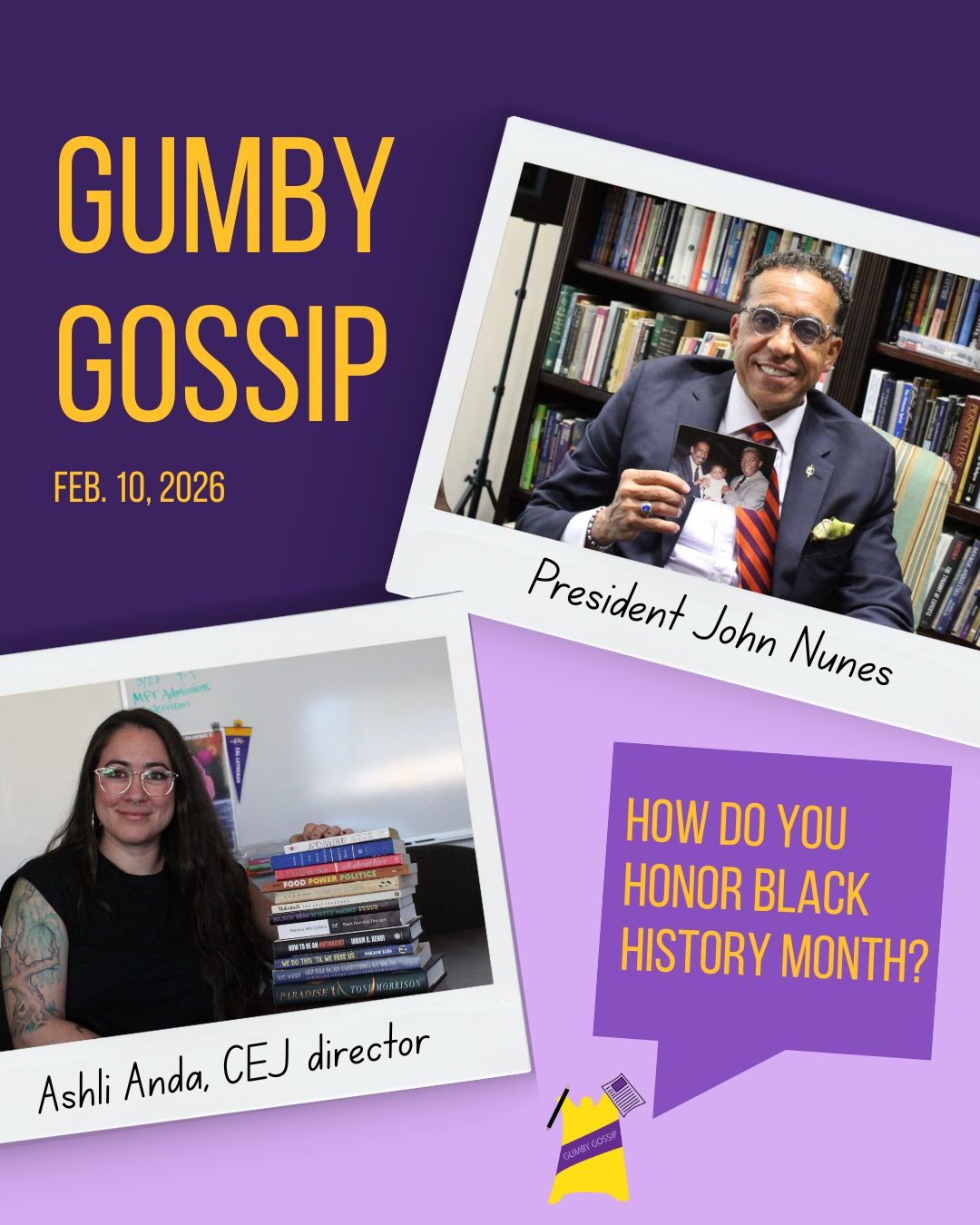
“I honor Black History Month by keeping that legacy alive in my work, in education,” President John Nunes said.
Senior Nina Dube said she honors Black History Month by recognizing that their history started in the continent of Africa, beyond slavery, when there were many civilizations and cultures living together.
Ashli Anda, director of the Sarah W. Heath Center for Equality and Justice and lecturer in the Philosophy Department, is reading novels from influential Black authors.
“As a non-black person it feels like we need to be way more intentional about our understanding and learning,” Anda said. “For me, my favorite thing is to read the liberation works by a bunch of Black activists [and] scholars.”
For senior Josie Oparanaku, she said this month means honoring her ancestry and remembering what they endured.
“I honor Black History Month by of course remembering the history and making sure that we still remember those who came before us and everything that they went through,” Oparanaku said.
During this Black History Month, The Echo asked the Cal Lutheran community the Gumby Gossip question of the week, “How do you honor Black History Month?”

President John Nunes shared a photo from 1994 that includes his son with his two grandfathers. Nunes said he keeps their legacy alive through his work, in education and by reminding his son the legacy they left behind.
“Always remember, you had two black grandfathers who had libraries [with] more than 500 books,” Nunes said. “You were born into a legacy of learning and your knowledge is power and you’re born into a legacy of power.”
Nunes said that his father and father-in-law were both educated men who saw education as not only a pathway to possibility but a passport to opportunity.