Scientists in South Korea say a probiotic bacterium found in kimchi may help the body get rid of nanoplastics by binding to the particles inside the intestine and helping remove them through waste.
The World Institute of Kimchi (President: Hae Choon Chang), a government-funded research institute under the Ministry of Science and ICT, announced the findings after studying a strain of lactic acid bacteria isolated from kimchi.
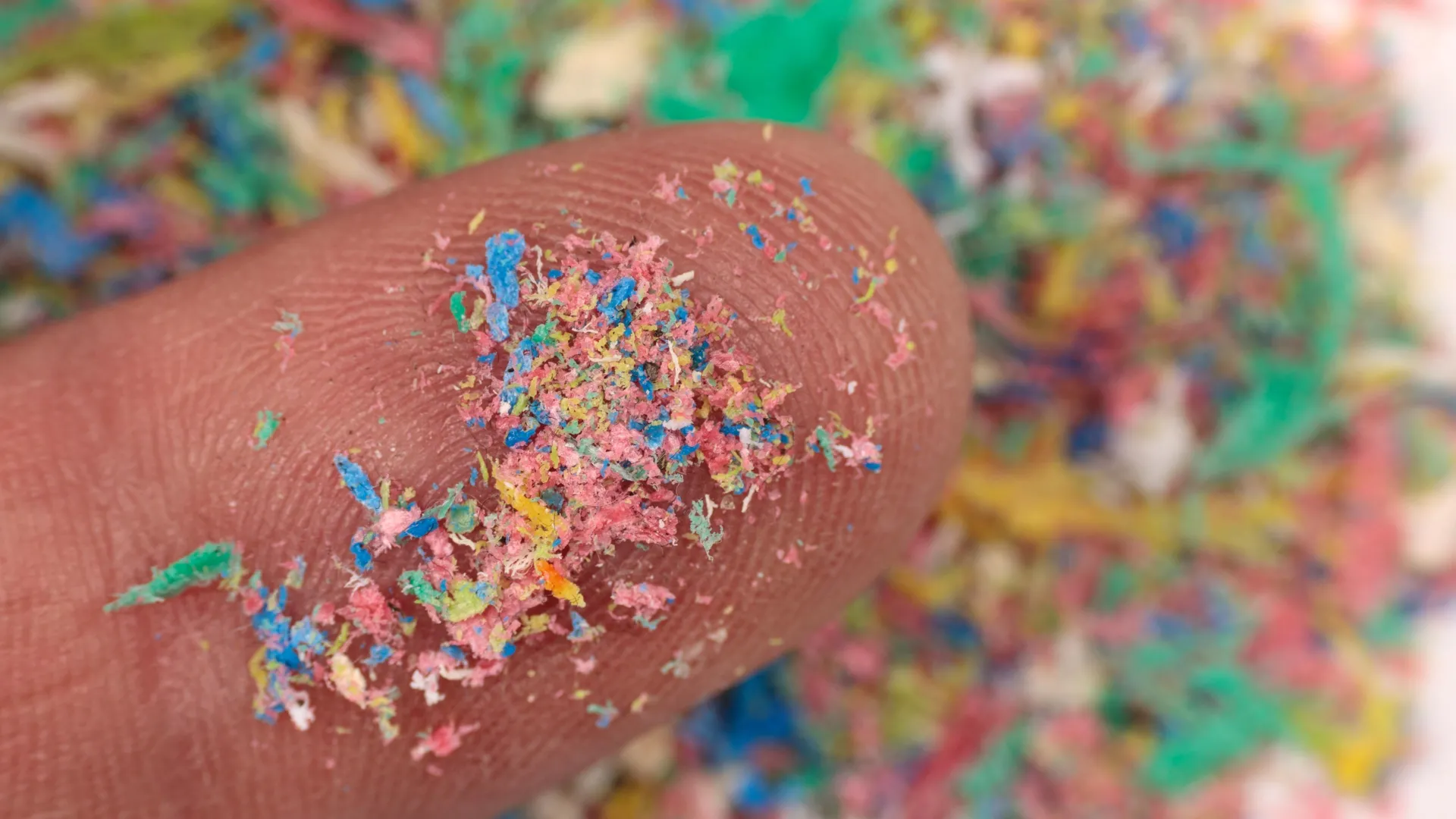
Nanoplastics are extremely small plastic particles measuring less than 1 micrometer (μm; one-thousandth of a millimeter). They form as larger plastic materials break down over time and can enter the body through food and drinking water. Because these particles are so tiny, researchers are concerned they may pass through the intestinal barrier and build up in organs including the kidneys and brain. Scientists are still in the early stages of finding biological ways to reduce nanoplastic accumulation in the digestive system.
Kimchi Probiotic Shows Strong Nanoplastic Binding
A research team led by Drs. Se Hee Lee and Tae Woong Whon at WiKim focused on a kimchi-derived bacterium called Leuconostoc mesenteroides CBA3656. The scientists tested how effectively the strain could attach to polystyrene nanoplastics (PS-NPs).
Under standard laboratory conditions, the kimchi strain achieved an adsorption efficiency of 87%, nearly matching a reference strain called Latilactobacillus sakei CBA3608, which recorded 85%.
The difference became much more noticeable under conditions designed to resemble the human intestine. The adsorption rate of the reference strain dropped sharply to just 3%, while strain CBA3656 maintained a far stronger binding level of 57%. According to the researchers, this suggests the kimchi-derived bacterium can continue attaching to nanoplastics even in environments similar to the human digestive tract.
Mouse Study Suggests Increased Nanoplastic Excretion
The team also tested the probiotic in germ-free mice. Male and female mice that received strain CBA3656 showed more than double the amount of nanoplastics in their feces compared with mice that did not receive the probiotic.
Researchers say the findings indicate the bacterium may help remove nanoplastics from the body by binding to the particles in the intestine and promoting their excretion.
The study adds to growing evidence that microbes found in fermented foods may do more than support food production and digestion. Scientists say these microorganisms could also interact with environmental pollutants inside the body.
“Plastic pollution is increasingly recognized not only as an environmental issue but also as a public health concern,” said Dr. Sehee Lee, the lead researcher of the study. “Our findings suggest that microorganisms derived from traditional fermented foods could represent a new biological approach to address this emerging challenge. We will continue to expand the scientific value of kimchi microbial resources to contribute to public health and environmental solutions.”
The findings were published in the journal Bioresource Technology (Impact Factor 9.0), which is ranked No. 1 in Agricultural Engineering.