Mayor Zohran Mamdani’s campaign promise to deliver cheaper groceries through government-run grocery stores isn’t exactly a new model in New York state.
Bargain Grocery in Utica has been run by a nonprofit group and in business for over 20 years. The model was pitched to the mayor’s office months ago, but the managers have yet to receive a response.
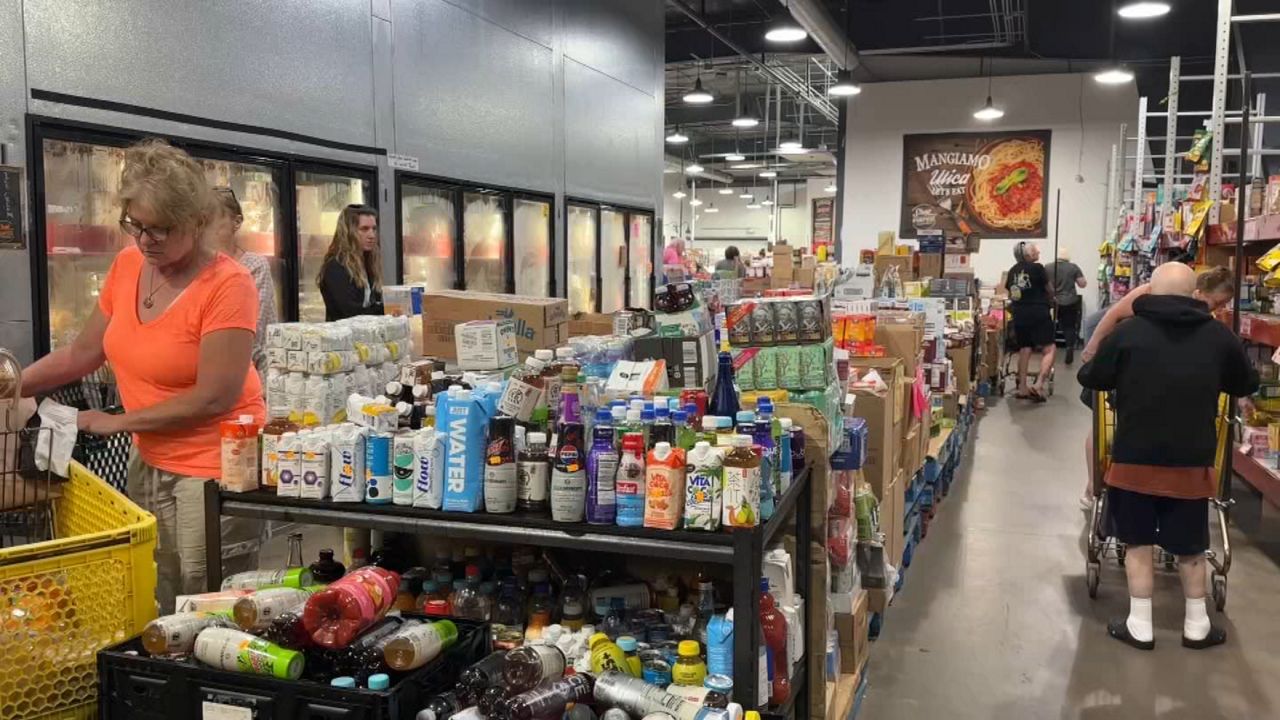
“Cotton candy grapes. We’re selling them, that’s a three-pound pack for $1.99,” Compassion Coalition CEO Mike Servello said as he showed NY1 items for sale at Bargain Grocery during a recent visit.
Four hours from the five boroughs, they’ve been selling groceries to the needy for 25 years.
“We go into very underserved areas. You see the neighborhood we’re in,” said Servello, explaining that the store focuses on healthy options and prioritizes a model aimed at cutting back on food waste.
“We purchase excess, like I said, from growers, distributors, Hunts Point Market; they’ll get a great deal,” said Servello.
“Product that’s three to six months away from expiration. They either donate or liquidate. If we went after that type of product and populated these stores, and the fresh produce is easy to get, you would need very little money, and it’s doable and sustainable if we reallocated the waste,” he explained.
It’s one of the keys to keeping prices low, but Servello said challenges arise around the consistency of the suppliers.
“It has to be a paradigm shift, a rethinking of how we’re addressing food insecurity, because food banks were created for emergency use only,” he said.
“I think if you try to do too much and compete with a traditional grocery store, somebody’s got to pay. It’s going to be the taxpayer, and it’s not going to be sustainable,” Servello added.
The store hires local workers, many from immigrant and refugee communities.
“I meet a lot of nice customers here and I see them as family most times too,” said Angelina Rogas, an employee.
Although state economic development dollars mitigated initial capital construction costs, Servello’s Bargain Grocery is self-sustaining.
It sells food 30% cheaper than other stores, according to Servello. The idea is similar to what Mamdani is trying to do.
“I want to commend him. He’s the only political leader that’s identified a huge problem,” the CEO said.
That’s why state Sen. Joe Griffo, a Republican representing Utica, sent the city a letter.
“We have something that’s being done in upstate New York, which can do what you want. It recognizes there’s a problem. If there’s a food desert, we want to respect people’s dignity,” Griffo told NY1 in an interview.
“[The] letter was sent three months ago. We’ve not heard anything from the city of New York or the mayor’s office, and I’m still hopeful that they would at least be willing to examine and consider this,” he added.
Mamdani just released a new request for proposals from a business or nonprofit, but critics argue discounts and other privileges could hurt operating businesses.
A spokesperson for the mayor told NY1 that they don’t have a record of receiving Griffo’s letter.
“The Mamdani administration appreciates the input of all stakeholders as we continue to develop the NYC Groceries initiative to deliver fresh, affordable food to New Yorkers. The administration is taking an all-of-the-above approach to addressing food insecurity across the city,” said Mamdani spokesman Cassio Mendoza, who said the city has continued to spend tax dollars supporting soup kitchens and other nutrition incentive programs around the five boroughs.
“The mayor’s vision is to build a robust food ecosystem where food pantries and nonprofit food providers meet the most acute needs, while municipally owned stores provide fresh, affordable essentials alongside bustling independent grocers and bodegas,” Mendoza continued.
Meanwhile, Harvard Law food policy expert Emily Broad Leib said the city needs to think about a few factors as it sets up the program — like a reliable, sustainable food supply chain.
“In the U.S., we waste about a third of our food supply, and the large majority of that food that gets wasted is actually safe and edible,” said Broad Leib, the director of the Harvard Law School Food Law and Policy Clinic.
“The lettuce is too small for the, you know, clamshell lettuce package it’s supposed to go in, and that all gets thrown out,” she explained.
“What are the ways that we can have some economic incentive for entities like Bargain Grocery that they’re able to then sell that food at a lower price? But that money gives them the resources to be able to store, transport, and handle food,” Broad Leib continued.
“The city is going to have to make some decisions about what it really wants to prioritize, and from everything we’ve heard, it seems like a main thing to prioritize is cost, and so they’re going to have to think creatively about how do you keep the cost down?” she told NY1.
“Could the city maybe piggyback on things like contracts for food for city agencies that they procure, or even for city schools, and say, ‘okay, we’re gonna increase the amount we’re purchasing,'” she suggested.
Reflecting on the city’s financial woes, Griffo said he’s concerned about financial stability.
“It concerns me because you’re going to continue to face these fiscal challenges, and if you get into this and start it, and then you can’t afford to continue it, who’s going to bear that cost ultimately?” he said.