My ongoing struggles with North American tipping culture came to a head last week at a tourist trap in the heart of the Canadian Rockies.
Hot drinks at the visitor centre cafe were a self-service operation, meaning I’d picked up a pair of chunky ceramic mugs, selected the option for hot chocolate from an all-in-one machine that whirred and spluttered until it spat out the final drips of sweet, milky cocoa, and carried the finished product over to the till to settle up – all with my own two hands.
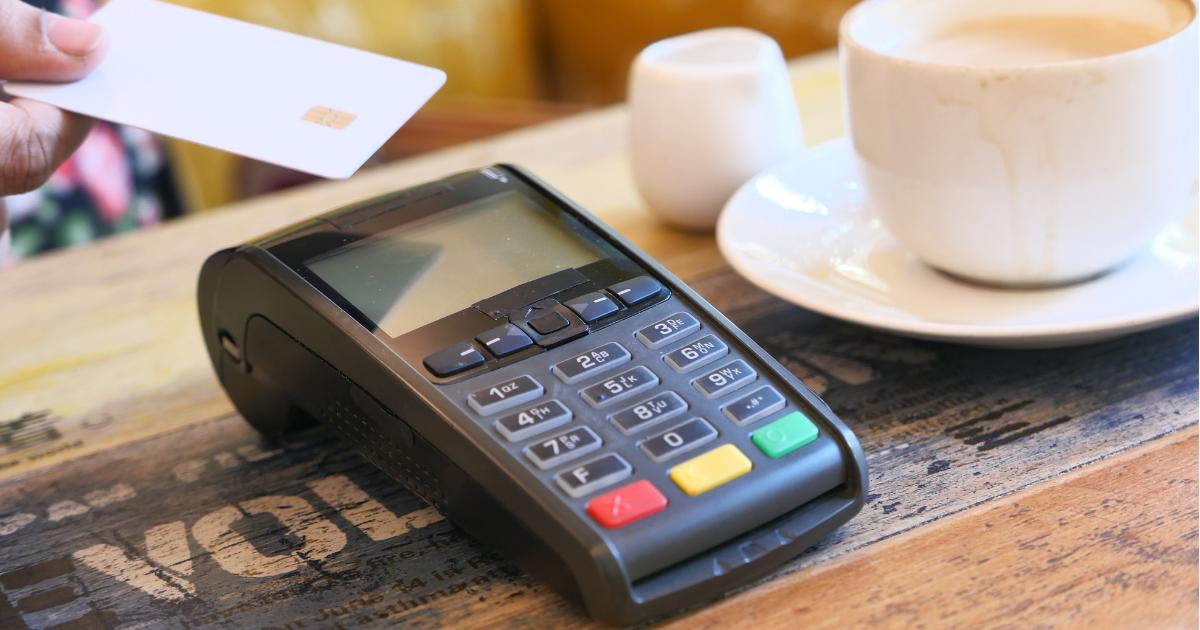
No real hardship by any means. But when a staff member sitting behind the counter presented a card reader suggesting a service charge of at least 15%, I found myself questioning which step of the DIY effort could merit such a hefty tip.
This was far from the first, or last, time during a holiday across Canada and the US that my people-pleasing ways would ultimately see me adhere to newfound cultural norms. In fact, at one particularly low point, I even sprang for the added cost on an already extortionate bottle of Diet Coke purchased at a gas station for fear of ruining the chirpy cashier’s day.
According to the New York Post, however, not all football fans “got the memo”, with some restaurants reportedly introducing an automatic 20% service charge after an initial wave of World Cup tourists failed to tip as expected.
Hospitality staff quoted in the piece suggested the issue likely wasn’t so much stinginess as unfamiliarity with the American system, where, in many states, tips aren’t a bonus at all but the difference between a brutally low hourly rate and something people can actually live on.
While this lack of awareness might well have applied to Scottish visitors in the US, with our wages legally structured differently and tipping traditionally being discretionary, I’d wager at least a few members of the Tartan Army will have noticed similar practices slowly creeping in on home soil.
I certainly have. And no, that doesn’t mean the service charge of somewhere between 10% and 15% that’s now commonplace on restaurant bills. In an increasingly cashless society, I’m OK with that as a baseline for sit-in service, which can typically be removed or altered without too much fuss.
But I do appreciate the argument that a tip means something precisely because it isn’t automatic or one-size-fits-all, and should be determined by the customer based on their personal experience. Which leads us neatly back to those screens full of percentages – just like the one I encountered at that lakeside cafe in Canada – prompting you to prove just how generous you’re feeling under the watchful gaze of a staff member with whom you’ve had next to zero interaction.
Read more:
This year, I’ve encountered the same thing in Glasgow when paying for a pint of Guinness at a pub in the West End, a pre-packed container of soup plucked from the hot cabinet of a trendy health-food spot in the city centre, or a flat-white-to-go at the train station.
And with that, tipping has started to feel more like an expectation than a gesture of appreciation, pushing those little luxuries further out of reach by bumping up the final cost.
Of course, in a hospitality sector still struggling to recover from years of pandemic disruption and an ongoing staffing crisis, every extra penny counts. And, having worked in bars and restaurants before, I know that often tips would pay for a safe taxi home late at night, soften the blow of a weekly food shop or even just cover a post-shift drink with co-workers after a long day.
But, if like America, if we start to view tips as a way to bolster a pay packet rather than a personal reward for good service, we risk losing sight of what’s really important: a real living wage for hospitality staff, backed by government policy rather than whatever number flashes up on the payment screen, and VAT relief for the employers who are trying their best to ensure their teams are well paid and looked after.
On the other side of the counter, with even basic service now seeming to come with a compulsory extra five per cent, consumers who are also navigating a cost-of-living crisis are bound to start feeling tapped out.
In essence, a tip is about a human connection made between customers and staff rather than a cold, credit‑focused transaction. The only way to protect that is to ensure Scotland’s hospitality industry is given the support it needs to survive in the current climate, and that its workers are never forced to rely on gratuities as desperately as our friends across the pond.
Sarah Campbell is The Herald’s Food and Drink writer and restaurant critic. You can find her on X or Instagram @sz_campbell.