The Watch Ukrainian Association has organized more than 800 cultural events in 268 cities across 55 countries since March 2022, according to the organization. Its activities range from film screenings and photo exhibitions to concerts, lectures and international tours by Ukrainian artists.
The association says its projects, organized with partners and without state funding, have raised about Hr. 16 million for Ukraine’s armed forces, military intelligence and the rehabilitation of service members. It has held events at the Council of Europe, European Parliament, European External Action Service, UNESCO, US Congress, UN, UK Parliament and OSCE headquarters.
JOIN US ON TELEGRAM
Follow our coverage of the war on the @Kyivpost_official.
Its key initiatives include the CinemAid Film Marathon, Culture vs War, The Will to Win and Empowered. In 2024, Culture vs War became the umbrella brand for its cultural diplomacy projects.

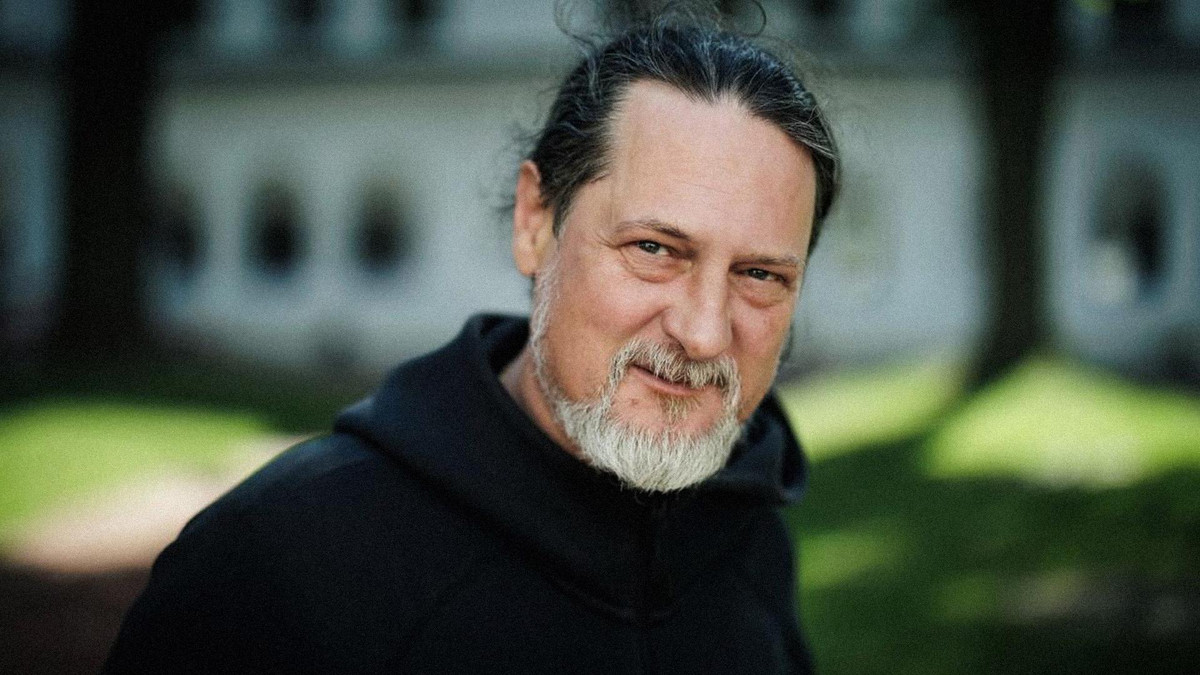
Andriy Rizol, a producer and chairman of the association’s board, spoke to Kyiv Post about how culture can communicate Ukraine’s experience of war and build support abroad. Rizol is also CEO of Babylon and an honorary ambassador of Ukraine for cultural diplomacy.

Other Topics of Interest
What Germany’s Wingcopter 262 Means for Ukraine’s Drone War
A new joint venture between a German startup and a major Ukrainian drone manufacturer is paving the way in Ukraine’s defense-tech boom.
“Be free to create”
Kyiv Post: How did Watch Ukrainian begin focusing on international cultural diplomacy?
Andriy Rizol: When Russia launched its full-scale invasion, we realized immediately that we had to act. On the fifth day of the war, we launched the CinemAid Charity Film Marathon. It brought together more than 70 events in 15 countries and helped us build a network of coordinators around the world while raising funds for the Armed Forces.
In April 2022, we launched the Culture vs War multimedia project. It combined documentaries, photo exhibitions and art books, with Ukrainian artists as protagonists.
We believed that international trust in artists was often higher than trust in politicians or the military — especially when artists were directly involved in the war. We wanted to tell the world about Russia’s war through their personal stories of resistance and their experiences.
What is the main message you want international audiences to take away?
Our slogan is “Be Free to Create.”
Ukrainians want victory, but we also need to explain why. We are fighting to preserve our freedom to create and to shape our own future.
The stories of our protagonists demonstrate this in different ways: members of the band Antytila through their service in a medical unit; Taras Kompanichenko through his moral support for the Armed Forces; Serhii Zhadan through his ability to inspire; and the first artists who volunteered to defend Ukraine, including Akhtem Seitablaiev, Serhii Mykhalchuk, Yaroslav Pilunskyi and Dmytro Linartovych.
How do you choose the protagonists?
The first criterion is a shared worldview. We look for prominent people who are known in Ukraine and internationally and who can serve as moral reference points.
But they cannot simply be made to speak from a script. Their stories have to reflect their genuine personal experience of the war.
This approach resulted in four feature-length documentaries, “Culture vs War,” “Palyanytsia,” “Empowered” and “Veterans’ Theater,” as well as seven short films focusing on individual artists.
Working with the government
How do you cooperate with the Ministry of Foreign Affairs?
We began our dialogue with the Ministry of Foreign Affairs early in the full-scale war. It has always been based on equal partnership, and in some cases representatives of our organization also assist the MFA.
I have known Foreign Minister Andrii Sybiha since his time as ambassador to Turkey, when we organized Ukrainian Film Days there. We have warm professional relations, and he understands the role culture can play in diplomacy.

Tetiana Sybiha has revitalized and brought together the Association of Wives of Ukrainian Diplomats, supporting humanitarian, cultural and charitable projects involving diplomatic and civic communities.
We also cooperate with the Diplomatic Academy of Ukraine and its head, Ihor Ostash, who has extensive diplomatic experience and a strong interest in culture and art. Together, we work with young diplomats on public and cultural diplomacy.
In August, we launched the School of Cultural Diplomacy together with the Institute for National Resilience and Security and the Diplomatic Academy. Its purpose is to strengthen joint efforts by increasing the expertise of professional diplomats.
We are gradually building an ecosystem that includes the MFA, diplomatic missions, the Association of Wives of Ukrainian Diplomats, the Diplomatic Academy and independent cultural institutions. The goal is to move from parallel efforts toward a coordinated system.
At the same time, Ukraine needs broader consolidation of cultural figures, specialized institutions, government and business to develop a comprehensive global cultural diplomacy strategy.
In 2024, the MFA granted me the status of Honorary Ambassador of Ukraine for Cultural Diplomacy. This has led to invitations to conferences, working meetings and panels where I can share our experience and develop joint initiatives.
Our goal is to make cultural diplomacy a priority and culture a national security priority.
For us, cultural diplomacy is not soft power. It is an effective tool for advancing Ukraine’s national interests and strengthening Ukraine’s ability to act internationally. In principle, it is an effective weapon.
That is why we focus on major political platforms and authoritative institutions capable of influencing decisions on support for Ukraine.
Why has the Veterans’ Theater resonated so strongly?

The idea emerged during a creative session of the Watch Ukrainian Association in April 2024. It was proposed by director, actor and civic activist Akhtem Seitablaiev.
We saw the project as a possible form of therapy through culture. At the same time, communicating the reality of the war to international audiences was becoming increasingly difficult as war fatigue grew.
We therefore created an art project that combined a stage production with a documentary featuring veterans as protagonists. It speaks about the war and its real consequences without necessarily putting the war itself “in the frame.”
The flagship production is “Eneida,” directed by Olha Semyoshkina, with Akhtem Seitablaiev as artistic director. It has attracted significant interest both in Ukraine and abroad.
The documentary “Veterans’ Theater” was screened in 19 countries as part of the Empowered UA film marathon.
For us, however, the motivation goes beyond the success of a particular project. We want to create trends, influence public discussion and help address real challenges.
Cultural diplomacy is essential to Ukraine’s future
What should Ukraine’s cultural presence in the world look like by 2030?
There are still remnants of an inferiority complex in Ukrainian society, but the situation has changed fundamentally.
Ukraine now has unique experience and significant achievements in military technologies, unmanned systems, IT, medicine, banking, logistics, e-document management, public services and volunteer practices, as well as in creative industries, documentary filmmaking, contemporary music and art. No other country has exactly the same experience.
Our next film is titled “Novators,” or “Innovators.”
By 2030, I want Ukraine to be respected and understood as a reliable and desirable partner of the democratic world. Cultural diplomacy can contribute to this.
We also need to change our perspective. We should not only learn from the world; we should also show what the world can learn from Ukraine.
That is the idea behind Empowered. We should no longer portray Ukrainians only as people who are poor, deprived or exhausted. We should show Ukrainians creating solutions, products, technologies, ideas and cultural phenomena that can be useful and interesting to the world.
The Empowered project was initiated by Watch Ukrainian with the support of the European Union and the MHP-Hromadi Foundation. It continues and develops the Culture vs War approach, seeking to strengthen the image of modern Ukraine as a strong country of talented people capable of enriching civilization across different areas of life.
We communicate this message through the personal stories of our protagonists.
I believe in large, ambitious, systemic and consolidated projects that produce concrete results. We simply do not have time for hesitation or delay.