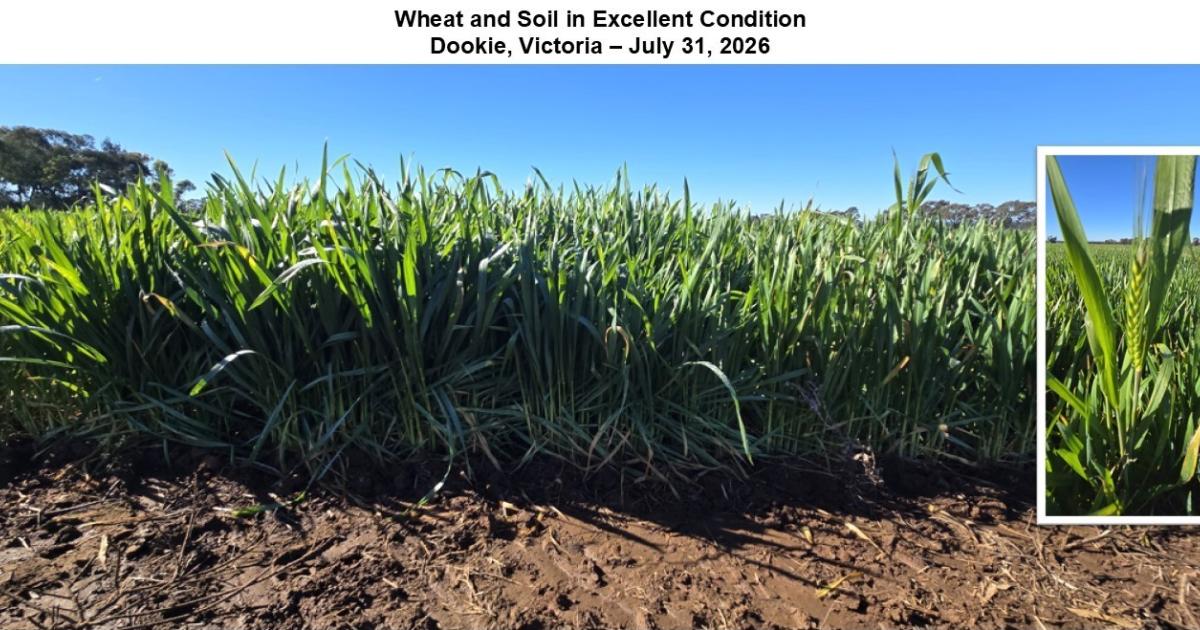
Australian farmers grow wheat, barley and rapeseed (canola) over the winter months in the grain belt (Figures 1, 2, 3). These crops are sown at the end of summer in April, and harvest typically begins in October. The winter weather patterns are ideal for crop growth through emergence, vegetative, reproductive and senescence phases. However, adequate rainfall is needed throughout the growing season to harvest a high yielding crop.
Wheat, barley, and canola grown in Australia are impactful to the world’s food supply in terms of amount produced as well as exported to other countries. Australia produces 4 percent of the world’s wheat, which is the seventh highest national producer worldwide, and is the fourth highest exporter (Figure 4). Australia produces 11 percent of the world’s barley, is the third highest producer worldwide, and the top exporter of barley worldwide at 32 percent (Figure 5). Australia produces barley for both human consumption and as animal feed. Australian rapeseed is ranked fifth in worldwide production, producing 8 percent of the world’s rapeseed and is second in worldwide exports (Figure 6).