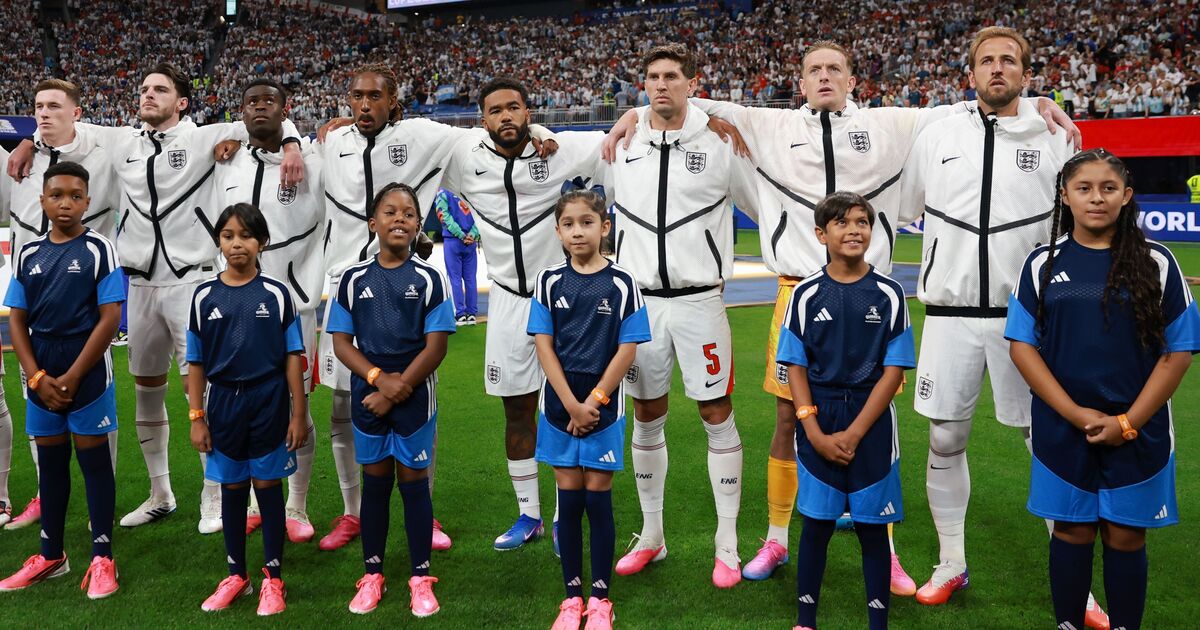
Sadly the BBC simply saw it as an opportunity to push the TV licence on people. While Thomas Tuchel‘s chosen 11 gave their all to make the country proud, they tried to pocket people’s hard-earned cash in a further example of everything that is wrong with the corporation. As the national broadcaster, this should have been a huge moment for them to celebrate national pride. Not a moment to chastise and guilt people to pay up for the privilege of watching the match, many of whom were probably in licensed premises rather than at home, with their bills and day-to-day life the furthest thing from their minds.
Even the presenters were embarrassed asking viewers not to blame them over the incessant push. At one point, pundit Guy Mowbray issued a licence fee warning when a barcode appeared on screens at half-time. As the players returned to the pitch, he stated: “It’s that time again, how about taking a break from the tension by renewing your TV licence. Just scan the QR code on screen, it will take you to the link to do so, whilst not blaming the messenger.”
His fellow pundit Alan Shearer poked fun and joked, “That is 687 times you have said that over the last five weeks.” To which Guy responded: “I just asked you not to blame the messenger.” Alan laughed: “You don’t even need your notes now, you read it off by heart.”
Don’t get me wrong – I am fully aware it is a legal requirement to have a TV licence to utilise the BBC services. But there is a time and a place for reminding people. And it is not in the middle of a nail-biting match during a World Cup that has put a smile on the majority of people’s faces, despite the current misery in the world. It would be akin to your electricity supplier posting a reminder to pay your bill on screen as you watched your favourite soap opera. Can you imagine: “Hey – I see you’re watching telly. That is powered by electricity, and your bill is now due!”
While many watching were probably indeed due to renew their licence, I’m sure it was the furthest thing from their minds as they anxiously waited for an England goal. I also have no doubt they had it on their to-do list along with the other bills they have to pay – like all responsible adults. Most people don’t need constant reminders about regular payments like this.
For those who are exempt for whatever reason, it was an unnecessary annoyance. Obviously, there is a percentage of people who simply refuse to pay, and I can assure the BBC that pushing a licence on them during the World Cup was definitely not going to persuade them otherwise.
Even the most ardent of BBC supporters would surely admit these latest incessant reminders during the World Cup were ill-advised and inappropriate. Just a week ago, Matt Brittin, the former Google executive who took over the top spot at the BBC just six weeks ago, hit out at the TV licence fee, branding it a “straitjacket” for the corporation that’s “not fit for purpose”. He told MPs the licence fee is “yesterday’s model”. If even he doesn’t have faith in it, then how does he expect the public to embrace it?
Most of the BBC’s funding comes from its £180-per-year licence fee, and yes, it needs money to survive and to present events such as the World Cup. But they also need viewer loyalty to sustain themselves, and money-grabbing moves like this cost them that and show they are more interested in their finances than entertaining the public.