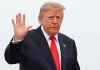
Chris Giancarlo, former chairman of the U.S. Commodity Futures Trading Commission (CFTC), indicated that the meme coin ventures of President Trump and his wife played a role in the failure of the Clarity Act, which was meant to establish a market structure for cryptocurrencies. His remarks were reported in an interview published by the overseas crypto media outlet Cointelegraph.
Giancarlo said that had President Trump not issued meme coins while in office, restraint would have been preferable, and described the meme coins of the president and Melania Trump as “inappropriate.” He nonetheless assessed that Trump was overall a positive force for crypto and expressed the view that the industry can develop without the legislation.
Regarding the Clarity Act, Democrats intensified concerns over conflicts of interest, with President Trump’s crypto-related businesses in mind. Negotiations over an ethics provision dragged on in the Senate, and the September 15 vote came in at 49 in favor and 50 against, falling short of the 60 votes needed to begin deliberation.
Giancarlo also analyzed that the bill’s content itself was problematic. He pointed out that negotiations dragged on over the final six months, and that incorporating demands from all sides ultimately left it without anyone’s support.
He also touched on his own experience, revealing that during his tenure as CFTC chairman from 2017 to 2019, although there was no law or rule prohibiting the holding of Bitcoin, he decided not to hold cryptocurrencies as someone responsible for rulemaking.
Noting that the internet in the United States developed without any preceding legislation, and that the U.S. Securities and Exchange Commission (SEC) and CFTC are advancing rulemaking under their existing authorities, he indicated that he views the bill’s failure positively.
The Clarity Act was intended to sort out the ambiguous jurisdiction over cryptocurrencies between the SEC and CFTC and to clarify regulation of exchanges and issuers. With its failure, operators will for the time being be forced to conduct business based on the individual enforcement policies and guidance of the two agencies. Some market participants have said that a prolonged absence of a comprehensive legal framework could affect the overseas relocation of U.S.-based operators and institutional investors’ decisions on market entry.
Regarding a resubmission of the bill, the handling of the ethics provision will remain a focal point. The intertwining of the president’s family businesses with regulatory legislation remains a factor complicating bipartisan consensus-building.