
Cryptocurrency as a payment method in iGaming is growing in popularity, but not necessarily in the way you are thinking. We are not seeing steady growth across the board; rather, the demand for cryptocurrency depends on which market you are in, which generation you are targeting, and, of course, local regulations.
To learn more about the nuances of cryptocurrency for payments and what we can expect in the coming months, I tuned in to SBC’s “Looking to the Future: Expanding Player Choice with Cryptocurrencies” webinar. The 40-minute roundtable featured Payhound Sales Head Peter Woodfine, The Lotter Payments Head Rolands Grancovskis, and Kwiff Chief Risk Officer Ian Perrygrove, and was moderated by Louis Thompsett, News Editor for SBC’s Payment Expert.
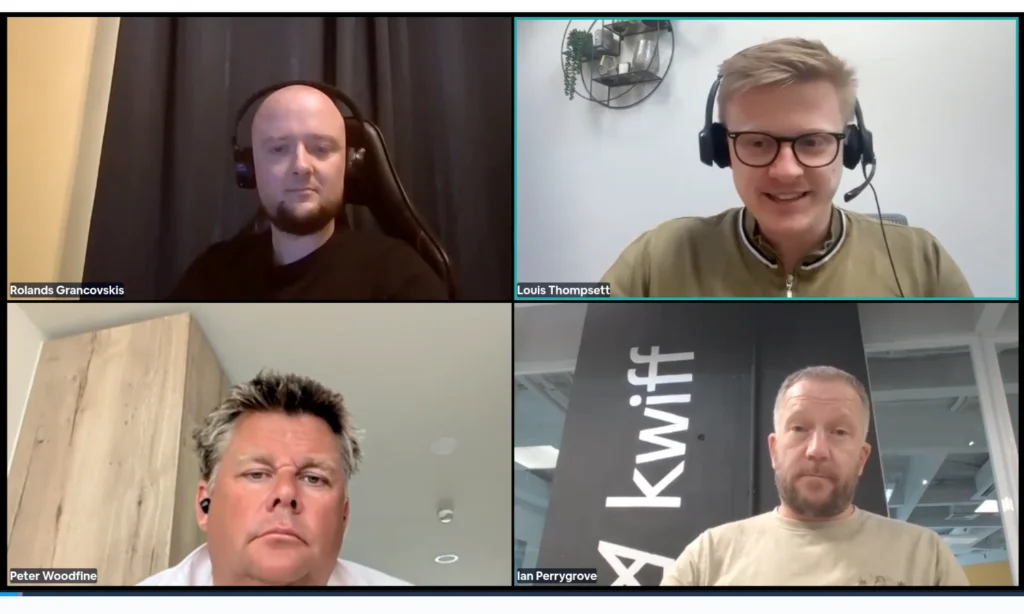
Rather than recapping the webinar (you access the recording here), I’ll share my top takeaways from the discussion. As always, I’m coming at this with the belief that blockchain for payments is just the tip of the iceberg, but we have got to start somewhere!
Crypto payments take root in iGaming
There are two areas of growth for cryptocurrency in iGaming (when I say crypto, I include stablecoins, or “stables”). First and as expected, we have growth in developing markets because crypto is quicker and cheaper than using local banking methods.
“Crypto is more popular in areas where banking is not simple and straightforward,” said Woodfine.
Grancovskis added, “The demand really depends on the territories. In Europe, there is not much need for the crypto solutions as customers already have many frictionless payment options. Inside Europe, it’s very hard to compete with the cost and efficiency of open banking, for example.”
Second, and not as expected, we are seeing growth in developed markets such as Europe, where the younger generation is requesting crypto and/or has balances in their crypto wallets and wants to spend them without incurring fiat conversion fees.
“This is where we are seeing the most interesting markets that you would not normally see crypto necessarily being a priority,” Woodfine said.
Within the iGaming space specifically, we have crypto casinos, essentially online casinos that accept crypto as payment—an area where I see enormous potential for blockchain technology beyond payments. We will dive into this at SBC Lisbon if you are going to be there.
According to Grancovskis, “In Europe we have a lot of unlicensed operators and those operators often do solely operate in crypto currency.” For players who wish to transition to licensed operators for whatever reason, crypto needs to be a payment option so they can continue with the method they are used to. This is why regulators should consider reducing friction for licensed operators to offer crypto, as this could help shift business away from bad actors.
“So, where you open the doors, it will bring in quite a good charge of players away from the dangerous markets into the regulated sector. That has to be a good thing,” Perrygrove said.
Cryptocurrency regulation raises the bar
Markets in Crypto-Assets (MiCA), the European Union’s regulatory framework for cryptocurrency assets and stablecoin issuers, has been a game-changer for the cryptocurrency space in Europe. Woodfine pointed out that companies we never expected to be denied a license were, in fact, denied a license (think Binance), while Payhound’s MiCA license was unexpected.
“We’re getting a lot of inflow since we got the MiCA rubber stamp,” Woodfine confirmed.
I also enjoyed these statements of Woodfine’s regarding the MiCA regulations:
“It’s big news in the industry, and it’s significantly shaken things up.”
“For the first time in our industry, everyone is aligned.”
“It’s tough, but I think it’s made everyone grow up a little bit; it’s treating the crypto space more like it should be.”
Sounds a lot like the iGaming industry’s regulatory history, right?
Just like with iGaming, in the early days of cryptocurrency, it was the Wild West, and professionals in the space do appreciate the rules and regulations that have been put in place, despite a somewhat painful transition period. Overall, regulations are helping the crypto space shed its bad actors and will also help the industry grow.
Another solid point from the discussion was that, despite popular belief, cryptocurrency payments are not anonymous, or at least they are not anymore, thanks to tools such as Chain Analysis. Woodfine emphasized this point, and Grancovskis added that tools for red-flagging crypto are more sophisticated than credit card tools. Grancovskis confirmed it’s easier to spot fraud and trace crypto than other payment methods that have been around for a long time.
And finally, all panelists agreed that the most popular and requested form of crypto for spending is now stablecoins, whereas two years ago the answer would have been BTC. There is little or no demand for memecoins. Woodfine confirmed the big ones for Payhound are BTC, Ethereum (ETH), Solana, Plasma (XLP), Binance Coin, Polygon, Tether (USDT), and USD Coin (USDC). He said the demand is mostly for stables now, as Payhound is not involved in crypto trading; rather, their platform is for crypto deposits and spending.
Watch: AI is becoming a game-changer for iGaming