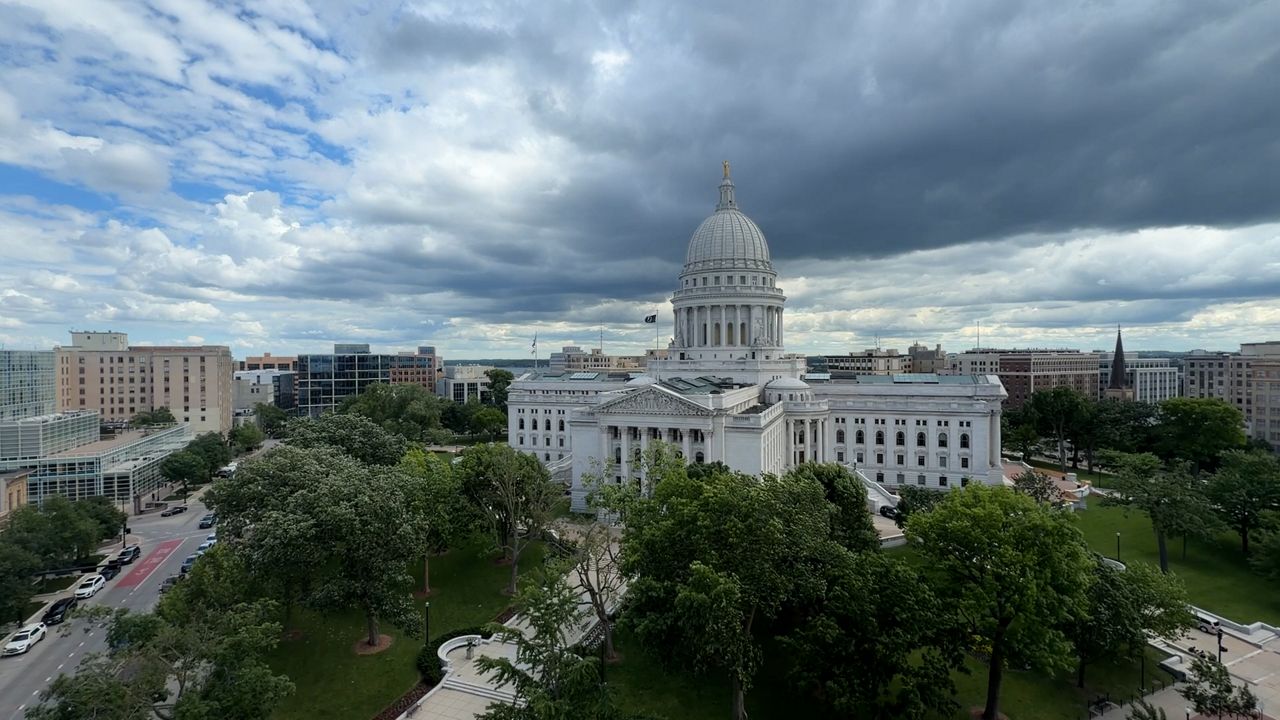
MADISON, Wis. — Wisconsin’s projected budget surplus has grown to nearly $3 billion, but lawmakers have not reached a new agreement on how to use the money after a bipartisan proposal failed earlier this year.
When the budget surplus deal was crafted in May, the state was projected to have a little more than $2 billion in the bank at the end of the current biennium. The state’s Legislative Fiscal Bureau now says that number is closer to $3 billion.
State Rep. William Penterman, R-Hustisford, said his constituents are focused on the rising cost of day-to-day life.
“Folks are feeling the pinch, and whatever state government can do to relieve that overall tax burden, I think should be examined carefully,” Penterman said.
Penterman said one way to provide relief would be to use part of the state’s budget surplus. He said he was disappointed that the proposal introduced in the spring did not become law.
“It would have put up to $300 back in the pockets of hardworking folks, up to $600 for married couples,” Penterman said. “Additionally, there was property tax relief, more money for special education.”
The plan was supported by Gov. Evers and Republican leadership, who said Wisconsin families need relief now. Since then, the amount of money the state has to work with has increased.
The Legislative Fiscal Bureau reported tax collections for the 2025-26 fiscal year exceeded $23 billion, a more than 3% increase from the previous year. The total was also $450 million higher than previous estimates.
Even with the new projections, Evers said he is “pessimistic” about reaching a deal. He also blamed Tom Tiffany for the failure of the initial plan.
“As you may remember, this guy that’s running for governor, he got a couple of Republicans to vote no and that made a difference, and so I doubt if it’s going to happen,” Evers said.
The fate of the surplus could now fall to the next governor. Tiffany said in a statement, “A bigger surplus proves Wisconsinites are being overtaxed. David Crowley will take your money, keep it in Madison, and make government bigger. I’ll return every dollar of the surplus to taxpayers and deliver permanent tax relief for working families. It’s your money, and it’s time for Madison to give it back to you in full.”
His opponent, David Crowley, said, “I’ve delivered for working Wisconsin families, that includes providing property tax relief and making housing and childcare more affordable and accessible. I will consider the long-term investments we can make and work with the legislature to bring costs down for all Wisconsinites. What I won’t do is defund our schools, our healthcare system, or the basic services working families rely on like Congressman Tom Tiffany has done his entire political career.”
For now, talks in Madison remain at a standstill as both parties seek control of the State Capitol in 2027.