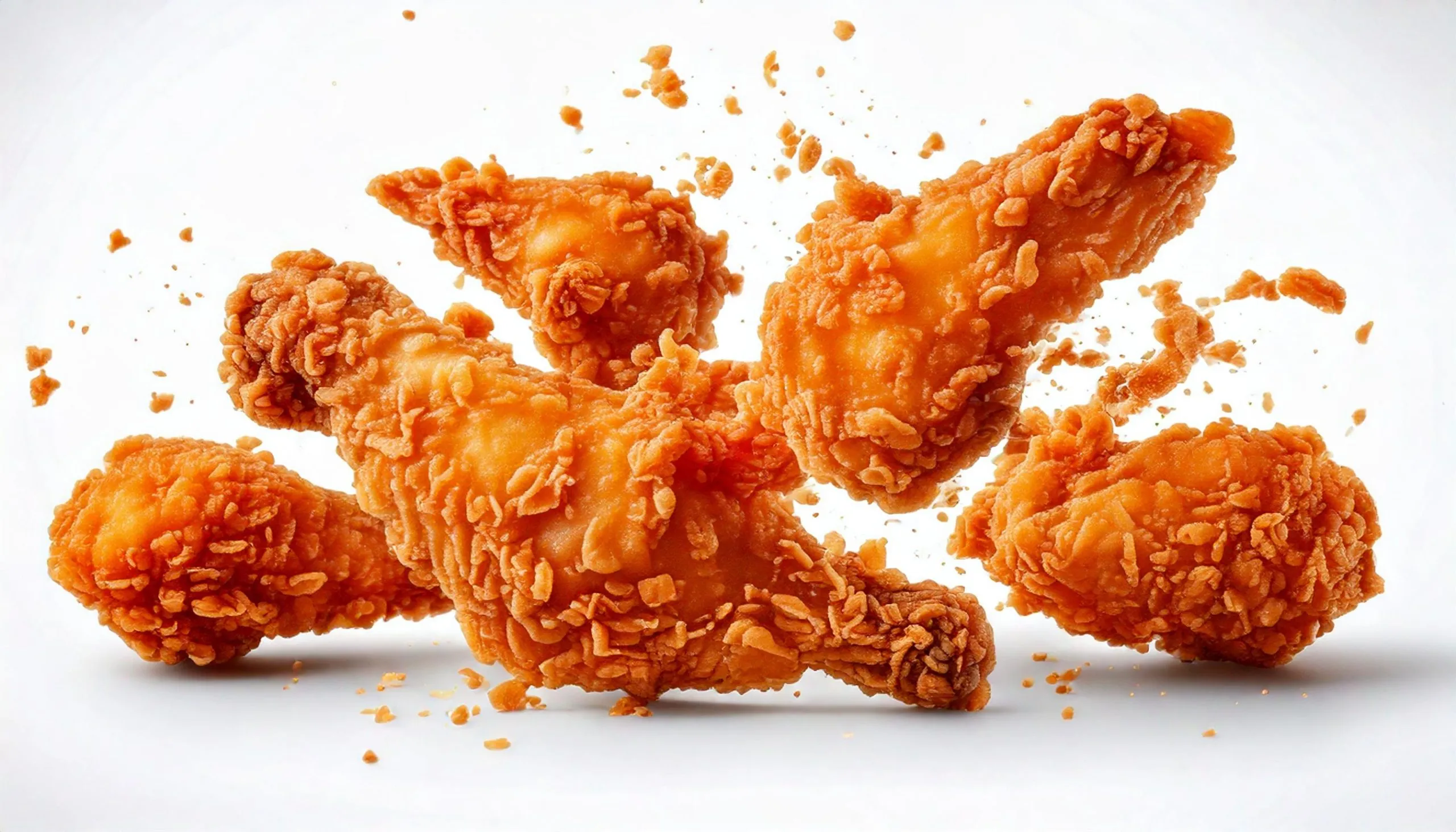
Sweet potatoes, greens, ham hocks, chowchow, fried chicken, and potato salad were staples on Black Southern tables long before anyone thought to label the everyday cuisine “soul food.”
These dishes were not trends, they were flavors shaped by memory, survival, and the creativity of cooks who made something out of very little.
Carried in the memories of the elders or scribbled on torn, time-worn scraps of paper, recipes for homemade buttermilk biscuits and egg and sweet potato pie traveled north as African Americans migrated in great numbers from the South during the Great Migration.
These were the kinds of stories passed down over the years, whispered in kitchens, shared at reunions, and folded into the fabric of family identity.
Black history is not only something chronicled in books; it is something carried in Black bodies and Black music, and the food that mothers, fathers, grandmothers, and grandfathers passed down for generations.
Whether shelling peas or shucking corn, or other food preparations, the kitchen became a classroom, a sanctuary, where traditions were taught mostly by hand rather than written instruction.
Black chefs like Quentin Love, owner of The Soul Food Lounge in Austin, trace their roots to those kitchens where knowledge was absorbed through watching, tasting, and listening.
Love writes on his website that he began cooking at age five and became a chef’s apprentice in his grandmother’s South Side kitchen by the time he was eight, studying her every move as she prepared Southern staples like macaroni and cheese, collard greens, and smothered chicken.

“When I think about cooking, I think about my grandmother,” he wrote. “My grandmother always talked to me while she cooked.”
The origin of soul food stretches back to the transatlantic slave trade, when enslaved Africans brought with them staples like okra, blackeyed peas, sorghum, and yams, adapting them to the meager resources available to them in the American South.
Enslaved cooks transformed the least desirable cuts of meat like fatback, ham hocks, pig’s feet into dishes rich with flavor and ingenuity. Cornmeal, molasses, and greens became the building blocks of a cuisine that sustained people through unimaginable hardship.
Greens, collards, mustard and turnip are still essential in Black households, whether for holidays, Sunday dinners, or everyday eating. Chitterlings, fried chicken, catfish, and macaroni and cheese evolved into cultural markers, dishes that held meaning far beyond the plate. They were reminders of where they came from and what they survived.

Soul food and soul music, especially the blues, have always moved in step with one another, both emerging from the same soil of struggle and creativity, both carrying the weight of history while offering comfort and release.
Blues artist Katherine Davis – now in her senior years – in a recent interview with West Side Magazine, spoke about the paperback cookbook she created, filled with dishes like turkey and chicken dressing, beef pot roast, sweet potato pone, peach and blueberry cobbler, and bread pudding.
“When I performed overseas, I would take a few cookbooks and sell them,” she said. “It’s a booklet and not a hardcover. I have about 16 recipes.”
West Side bluesman Larry “Bluesman” Taylor often spoke about the magic that unfolded inside his parents’ (Blues artists Vera and Eddie Taylor) West Side home, where rehearsals drew giants of the genre like Howlin’ Wolf, Muddy Waters, and others who drifted in as naturally as family. Music was only part of the ritual.
On those days, Vera always had a spread of greens, potato salad, fried fish, the kind of food that made musicians feel rooted and welcomed and Howlin’ Wolf had his own special pot of greens, the ones Vera added cornmeal dumplings made just for him. In that house, the blues wasn’t just rehearsed; it was fed, nurtured, and lived.
Like music, food is good for the soul. It’s a reminder that nourishment comes in many forms, and that the stories carried in recipes and songs continue to shape Black life across generations.