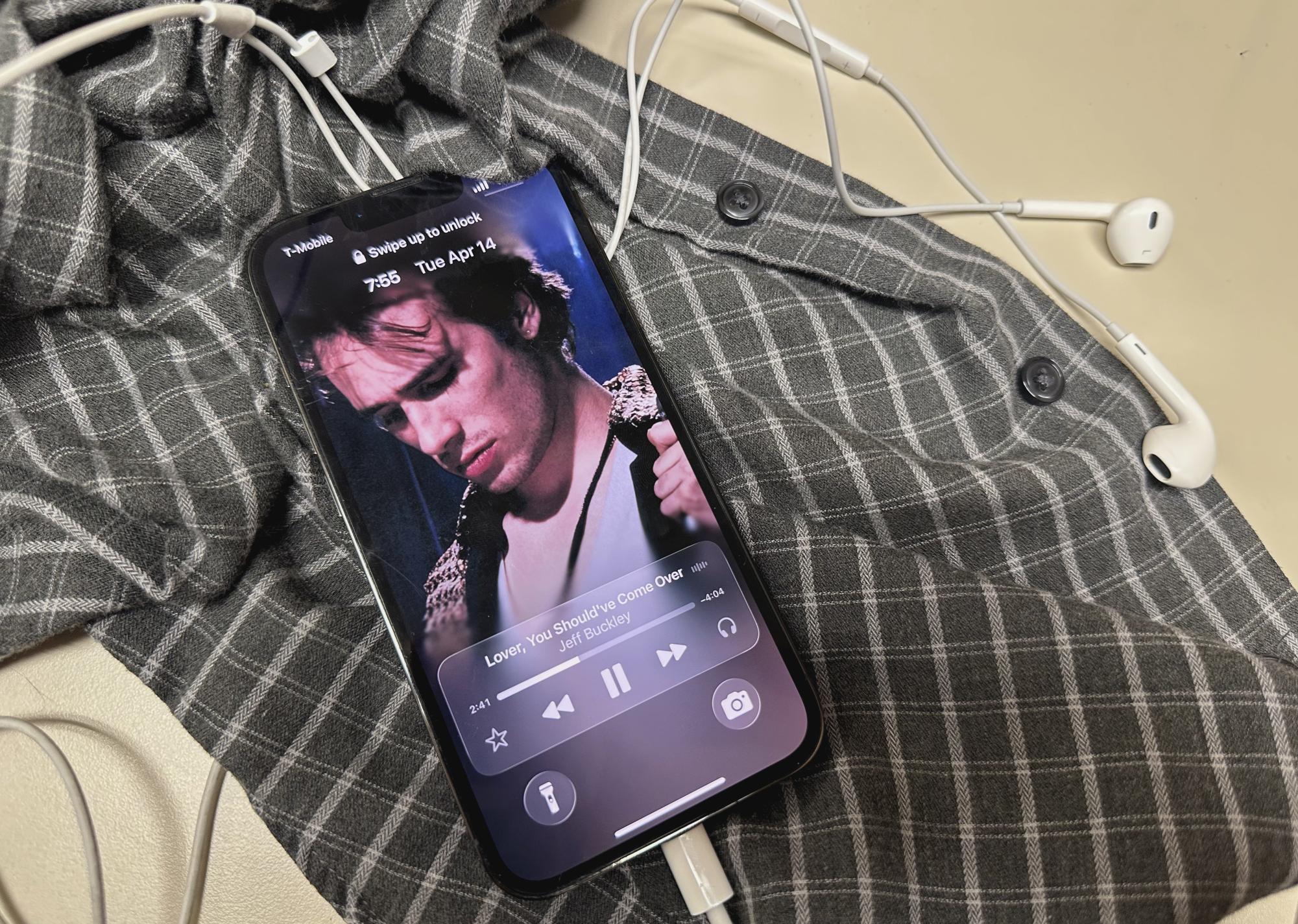
Last year, my friend convinced me to download AirBuds, a music-tracking app linked to our respective listening apps, so we could observe and react to each other’s listening habits with emojis or comments.
A little more than a month passed, and I found that when I commuted, I hesitated to turn on my car radio or play a CD. Why was this happening if I put so much time into my CD collection?
I quickly realized it was because whatever I listened to this way wouldn’t show on AirBuds. I was strategizing the amount of minutes I spent listening to Spotify tracks so it would be reflected on my app or my yearly wrap-up, instead of listening to what I wanted at that moment.
Music wasn’t for me anymore. It was for others to see and cast judgment on. My music habits had become performative without me realizing. You might have this instinct, too, but why do we feel this way, and how do we return to authentic music-listening habits?
Sharing your music tastes with people isn’t a new habit by any means, but nowadays it’s far more widespread. The most likely culprit behind this trend’s intensity is Spotify Wrapped.
It was one of the first times a music app collected and summarized listening habits for users to see at the end of the year, and it took off like wildfire.
Almost 10 years have passed since Spotify Wrapped first launched. Its neat packaging and easy-to-understand statistics have made sharing the results a breeze.
Posting a summary of your top five artists and songs on social media is both a treat and a trap into peer scrutiny, because as fun as the surprise is, we treat these results as an evaluation of the people who post them.
Repeating songs is competitive. Total minutes listened to are a contest. We avoid or add certain songs to our playlist in hopes of shaping a favorable Wrapped by the end of the year. Any song that we like but is “too embarrassing” will be omitted from counting towards Wrapped data.
Why? Because it’s not a reflection of who we are? Or because we don’t want that reflection to be seen by others who would get the wrong impression?
All of this is to say that curating an image for social media does not show the authentic form of oneself. That alone is not a new claim. But music should be fun, not taxing. I still have AirBuds downloaded, but have completely abandoned shame, refusing to turn off my listening tracking when the most shameful of my middle school-era songs rear their heads.
I’ve also started to use AirBuds’ question feature to pose truth-seeking questions that my friends must answer with a song. Who cares if the particular track is cringe? It’s ours, and it makes us happy.
We all need to take time and rediscover the tracks that bring us unique joy. If we only listen to what we think others want to see, we’re taking away our opportunity to experience something real — if we do that, what’s the point of hitting play in the first place?