The figures show that countries facing severe sanctions are increasingly incorporating cryptocurrency into their national financial strategies to bypass the traditional banking system. Among them are Russia, Iran, North Korea and Venezuela.
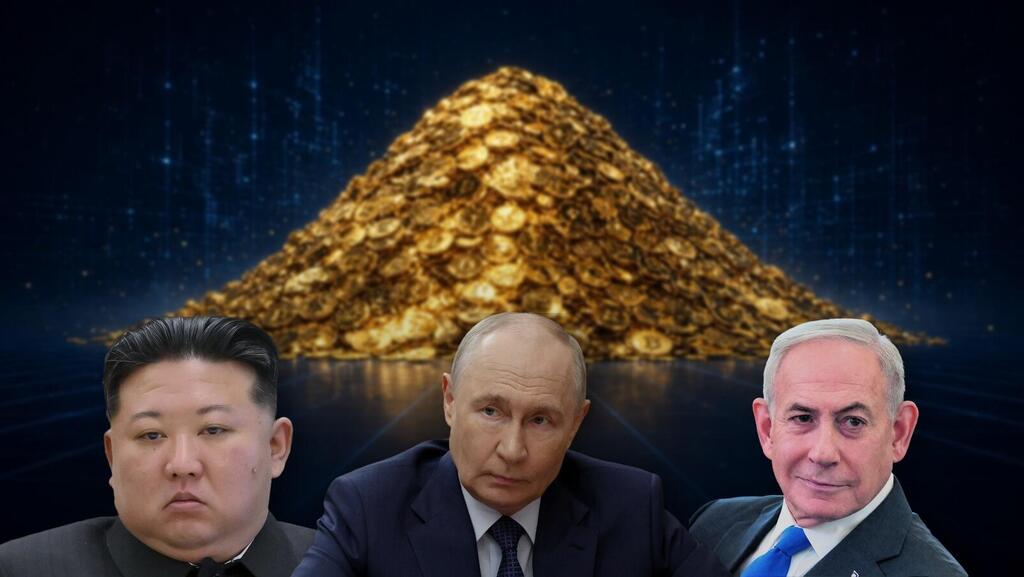
(Photos: Alex Kolomoisky, Vyacheslav Prokofyev, Kristina Kormilitsyna, Sputnik, Kremlin Pool Photo via AP )
Russia: $93 billion through a ruble-backed stablecoin
Amid its war in Ukraine and growing international isolation, Russia leads the list by a wide margin. In 2024, Moscow passed legislation allowing cryptocurrency to be used to circumvent sanctions, and those efforts bore fruit in February 2025 with the launch of A7A5, a ruble-backed stablecoin. In less than a year, the token processed more than $93.3 billion in transactions. Bloomberg reported in January that its transaction volume had surpassed $100 billion despite restrictions imposed on it. Research firm TRM Labs estimated that $72 billion, roughly half of all illicit cryptocurrency flows, was linked to the token.
A7A5 is backed by deposits held at Russia’s Promsvyazbank, which is also under sanctions. The token serves as a payment settlement channel for Russian businesses engaged in cross-border trade. Most transactions take place Monday through Friday, suggesting it is primarily used for business-to-business payments rather than by individual consumers.
Reuters reported that the United States and Britain imposed sanctions in August 2025 on several companies they said were behind the cryptocurrency, which is registered in Kyrgyzstan. In March 2025, the United States, Germany and Finland also disrupted the infrastructure of the Russian cryptocurrency exchange Garantex. According to the U.S. Justice Department, the exchange had processed $96 billion in transactions since 2019. A new exchange called Grinex subsequently took its place.
The company issuing A7A5 rejects the allegations. “We mainly provide payment rails extensively for Russian export and import operations,” Oleg Ogienko, the company’s director of regulatory affairs, told CoinDesk. He described the findings as “politically motivated.”
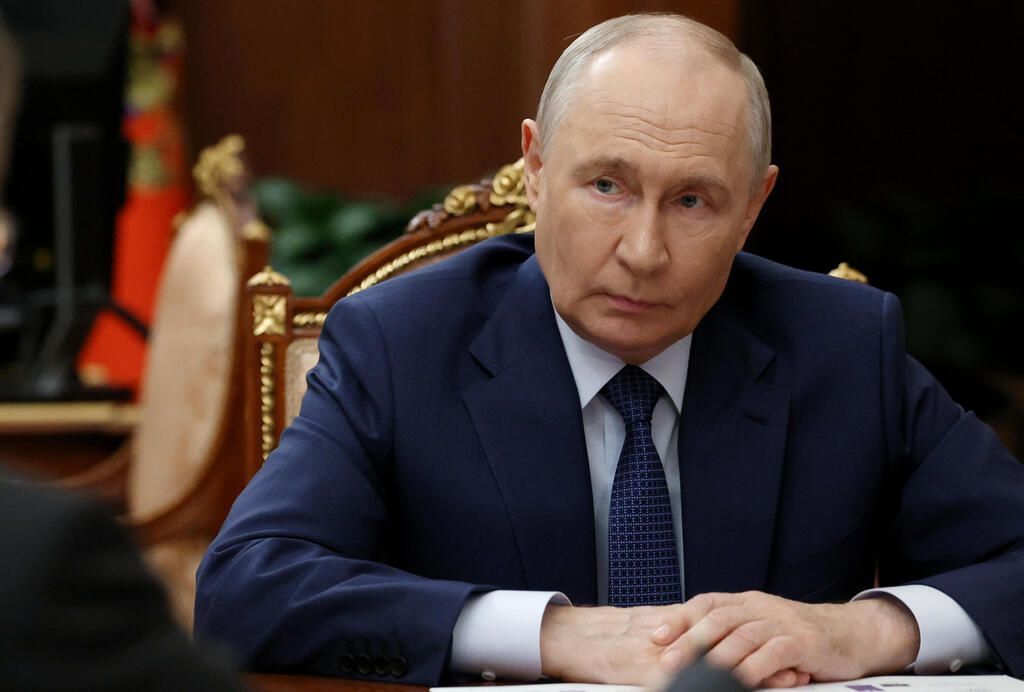
Russian President Vladimir Putin
(Photo: Vyacheslav Prokofyev, Sputnik, Kremlin Pool Photo via AP)
Iran: The Revolutionary Guards’ method
Iran is the second major player. By the end of 2025, cryptocurrency addresses linked to the Islamic Revolutionary Guard Corps (IRGC) accounted for more than 50% of the value received by Iranian cryptocurrency services. More than $3 billion flowed through these addresses in transactions linked to financing regional proxies, oil trading and procurement networks.
Reuters reported in February that Iran’s total cryptocurrency transaction volume was estimated at $8 billion to $10 billion in 2025. According to the report, both state-linked entities and private investors have increasingly turned to digital currencies amid sanctions and the depreciation of Iran’s national currency. U.S. investigators are also examining whether certain platforms helped Iranian officials circumvent sanctions.
In March, Reuters reported that entities linked to Russia and Iran were increasingly using cryptocurrency to finance purchases of inexpensive drones and their components.
Venezuela and North Korea: Theft and oil
North Korea employs a different method: theft. Hackers linked to the regime in Pyongyang stole more than $2 billion in cryptocurrency in 2025. Nearly $1.5 billion of that amount was taken in the February breach of cryptocurrency exchange Bybit, the largest digital asset heist in history. Chainalysis described 2025 as the most destructive year yet for North Korean hackers, both in the value of assets stolen and the sophistication of their hacking and money-laundering methods.
In Venezuela, cryptocurrency has become intertwined with the oil industry. Reuters revealed in April 2024 that state oil company PDVSA had been gradually shifting its oil sales to USDT, the stablecoin issued by Tether, and accelerated the transition when the United States reinstated oil sanctions. According to the report, the goal was to reduce the risk of sales proceeds being frozen in overseas bank accounts.
Venezuela had already attempted to launch its own government-backed cryptocurrency, the Petro, in 2018, but according to CoinDesk, the project was eventually abandoned because of a lack of demand.
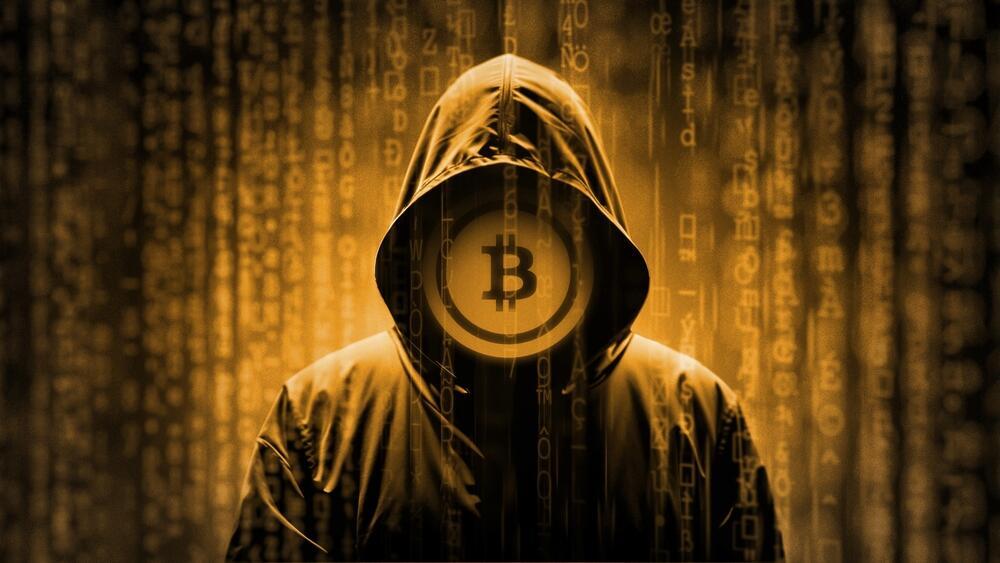
North Korean hackers steal billions
(Photo: Gabriele Paoletti/Shutterstock)
The weak link: Stablecoins
The figures also reveal a key limitation of this strategy. Stablecoins, which are pegged to the U.S. dollar, now account for approximately 84% of illicit cryptocurrency transaction volume.
Following the disruption of Garantex, $26 million in USDT was frozen thanks to intelligence provided to the U.S. Secret Service. After the revelations about Venezuela, Tether announced that it would freeze cryptocurrency addresses linked to entities on U.S. sanctions lists.
That is precisely why Russia developed its own cryptocurrency.