If you have a Hawaii trip coming up and you are counting on Hana Highway, Haleakala, or Oahu’s North Shore working normally, that is not the trip you should be planning around. After two back-to-back Kona storms, some of Hawaii’s most important roads are still closed or restricted, and recovery will take far longer than officials are letting on.
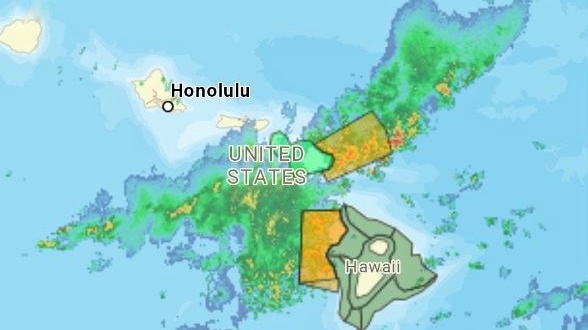
Editors’ Note, March 23, 2026: As of Monday morning, Maui remains under a Flood Advisory until 11 a.m. with heavy rain falling at 1 to 2 inches per hour over windward locations. The Big Island is under a Flood Watch through this afternoon as unstable moisture from the departing Kona low continues to bring the threat of isolated thunderstorms and additional heavy rain. The situation across the islands is still active.
In addition, at 10am Monday, we received notice that a line of thunderstorms is now approaching the Kona Coast of the Big Island, with the National Weather Service issuing a Special Weather Statement. Strong gusty winds up to 50 mph, heavy rain, and lightning are expected in the North and South Kohala and North Kona districts. Anyone outdoors in those areas should move inside a building or vehicle immediately.
What happened and why this is still unfolding.
The Kona Storms left no time to regroup. State crews are now dealing with washouts, debris, drainage failures, and roadbed damage, all at once. Full assessments are still ongoing, with clearing weather just happening on most islands as of Sunday, which means closures and partial reopenings are shifting day to day as new damage is found or conditions change.
Kauai: the one island that cleared early.
Kauai came through this in better shape than the other islands. The island advisory was lifted earlier, and conditions have turned drier and faster. Most roads are open, and cleanup has been moving quickly. That does not mean there are no issues, but compared to the rest of the state, Kauai is the closest thing to normal right now for visitors with upcoming trips.
Oahu: North Shore and windward roads are still affected.
Oahu still has active disruptions, especially on the North Shore and windward side. Kamehameha Highway at Waimea Bay is down to a single lane from 5 a.m. to 8 p.m. and fully closed overnight, with HDOT saying that schedule is expected to continue for about three more weeks while slope stabilization work above the jumping rock area is completed.
Kalaniana’ole Highway remains partially closed with right lanes blocked in sections. Other roads across the windward side and North Shore remain under repair or restricted, with conditions still changing daily.
There is also a boil water notice in place for the entire Oahu North Shore water system from Mokuleia through Turtle Bay. That affects homes, businesses, and visitors staying in that area too, and even where roads are open, conditions are not fully normal.
Maui: the island with the longest road back.
Maui is dealing with the most disruption. Hana Highway remains closed to visitors, with police checkpoints in place, and Honoapiilani Highway had slides cleared Saturday, but broader access problems remain.
The Haleakala route remains closed from mile marker 2.5 to Haleakala National Park due to damage from the earlier March 13 to 15 storm, with only essential traffic allowed, and repaving depends on weather conditions. Maui County also issued sinkhole-related evacuation warnings in Lahaina on March 22.
During the storm, approximately 200,000 gallons of partially treated wastewater overflowed at the Lahaina Wastewater Reclamation Facility and likely reached the ocean, with warning signs posted in the impacted area. Travelers with Maui plans should expect itinerary changes, not just minor road delays.
Molokai: the forgotten island in this story.
Molokai is still dealing with active impacts. Kamehameha V Highway has closures, and flash flooding was reported Sunday morning, with evacuation warnings still active. HDOT reported the highway was impassable between mile markers 0.5 and 12.5, with a major rockslide and debris near mile marker 7.5 and a damaged culvert at mile marker 12.5, while crews continued assessing conditions beyond that point.
There is very little centralized information for Molokai compared with the other islands, which makes it harder for travelers to track. If you have plans there, you need to check directly with local sources before traveling.
What travelers with upcoming bookings should actually do.
Do not assume that because Hawaii flights are operating normally, your entire trip will run normally. Check the Hawaii Department of Transportation and county road closure pages before you go and again right before you head out each day, because conditions are shifting as repairs progress, and a road expected to reopen in a week can slip if more damage is subsequently uncovered. Build flexibility into your plans while this gets worked out.
Brown water advisories are in effect statewide across Kauai, Oahu, Maui, and the Kona coast. On Oahu, wastewater spills were confirmed at facilities serving the Kailua and Kaneohe areas in addition to broader storm runoff, and the ocean safety chief advised all beachgoers to stay out of the water for at least 72 hours. Conditions on the other islands are similar enough that the same caution applies.
There is also a gap between official messaging and on-the-ground conditions. The state has said there is no reason to cancel trips, even as hotels have been used to house evacuees and key roads remain restricted. We covered that disconnect in Visitors Are Told No Reason To Cancel As The Royal Hawaiian And Moana Surfrider Welcome Flood Evacuees, and it is part of what travelers are trying to sort out right now.
If your plans depend on specific drives or access points, check those first, because if they are not open, the rest of the trip needs to adjust around that change.
Do you have a trip to Hawaii coming up in the next few weeks? Tell us which island. Many of our readers may be able to give you the most current road and access information available.
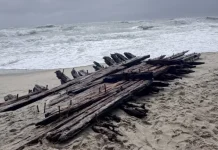
Photo Credit: © Beat of Hawaii at Kualoa Beach on North Shore Oahu, February 2026.
Get Breaking Hawaii Travel News