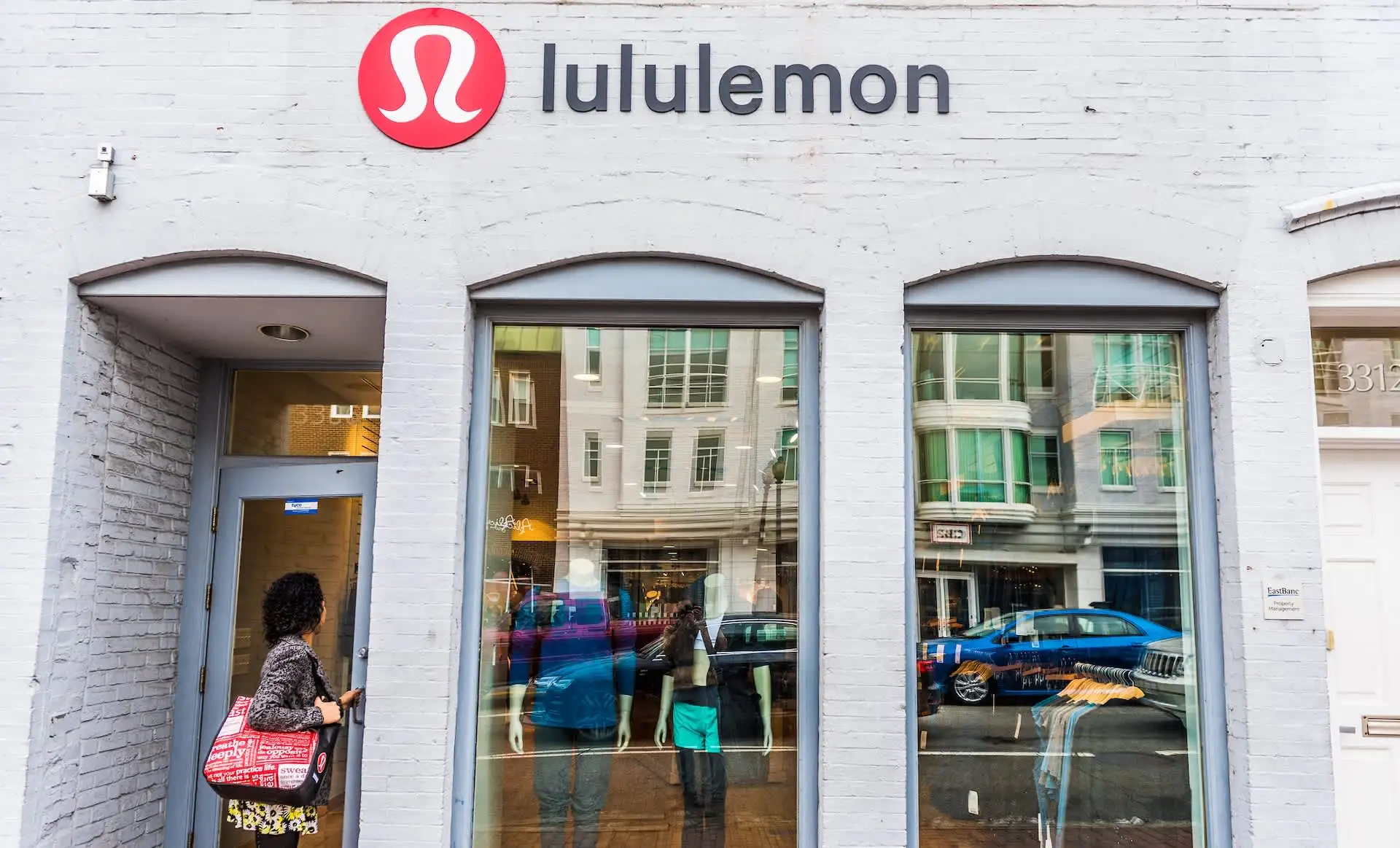
Lululemon has put money behind a startup focused on the stubborn fashion-waste challenge of nylon.
As TechCrunch reported, its investment came through Syntetica’s $30 million Series A round, supporting technology meant to keep more clothing out of landfills and reduce dependence on fossil-fuel-based materials.
What happened?
French startup Syntetica has created a way to recycle Nylon 6 and Nylon 6,6 from discarded textiles even when the two materials are mixed together.
For apparel companies, that has been a major obstacle, since separating those nylons and reusing them at scale is notoriously difficult, according to TechCrunch.
Syntetica CEO Marco Bertone told the outlet that instability in oil markets has also pushed brands to reconsider their dependence on synthetic fabrics.
“It’s been a wake-up call to many brands that have been relying on petrol-sourced nylon and petrol-sourced synthetics for pricing and convenience, and which today have seen massive shocks to their system,” he said.
The company says its network of partners or backers includes Lululemon, Victoria’s Secret, Etam, and apparel manufacturer MAS Holdings. Rather than making finished textiles, Syntetica explained to TechCrunch that its process will produce pellets that can later be turned into yarn.
Why does it matter?
Every year, the fashion industry discards huge volumes of clothing, and much of that waste ends up in landfills instead of being reused.
The industry is already linked to water contamination, air pollution, and labor abuses across global supply chains.
Fast fashion has only worsened the problem by driving the overproduction of inexpensive clothing that often wears out quickly. That can also be costly for consumers, who may end up repeatedly replacing low-quality items instead of investing in garments that last longer.
Brands prize nylon for durability and performance, but those same characteristics can make it difficult to deal with once a garment reaches the end of its useful life.
If companies can find a cost-effective way to recycle more nylon, they could rely less on virgin fossil-fuel-based materials while also responding to growing pressure from customers and regulators.
What’s being done?
As it works to expand, Syntetica is leaning on partnerships to help scale the technology. Before this latest funding round, the company had already been working with Michelin’s Center for Sustainable Materials at a commercial demonstration site in Clermont-Ferrand, France, according to TechCrunch.
Its near-term goal is to prove it can make hundreds of tons of recycled pellets each year for apparel supply chains. Bertone said the company is approaching the challenge with practicality in mind.
“We have built the company with the clarity that there’s no green premium,” he declared to TechCrunch. “That if you want to scale real solutions for a sustainable world, it needs to be cost competitive, highly scalable, and you need to build partnerships from the very start.”
The company has big goals for expansion into global markets, but at the moment, it is sticking to pellets and recycling nylon. That contrasts with other competitors with broader approaches, but Bertone is rooting for all of them to find a niche.
“Everyone needs to succeed for us to succeed as a society,” he concluded to TechCrunch.
Get TCD’s free newsletters for easy tips, smart advice, and a chance to earn $5,000 toward home upgrades. To see more stories like this one, change your Google preferences here.