Australia’s long-haul travel patterns are being reshaped by the Iran conflict, as airlines cut capacity to the Middle East and passengers find alternative ways to reach Europe.
The loss of several daily widebody services has disrupted traditional routes between Europe and Australia.
But the demand that existed before the US-Israel-Iran conflict has not disappeared, and is now being redirected via Asia and even North America.
Passengers are completing their ultra-long-haul journeys, often in the ‘wrong’ direction via the US west coast.
Managing with reduced Middle Eastern widebodies
Australia’s third largest hub, Brisbane Airport, has lost four daily widebodies into the Middle East on the back of the conflict.
“What we have seen, though, is a bit of opportunity in terms of traffic being rerouted around the Middle East to China, Southeast Asia and, oddly enough, North America, which is usually not a way to get to Europe,” said Anthony Cicuttini, head of aviation business development at Brisbane Airport.
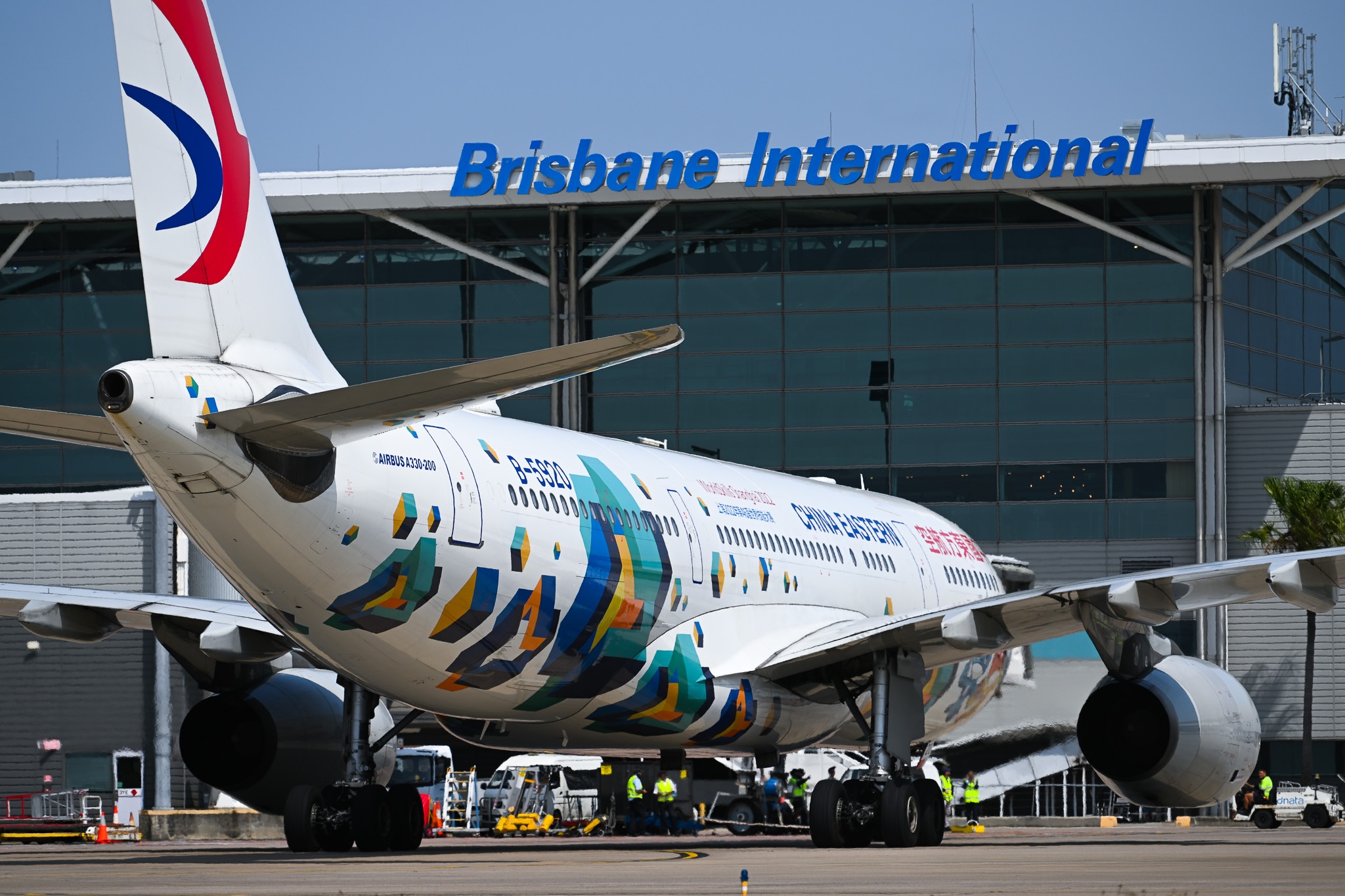
Addressing delegates at the Routes Asia 2026 event in Xi’an, China, he said the airport was seeing “strong load factors” on those routes, even at a time in the year outside of major holidays when demand is traditionally weaker.
Cicuttini said there was a “contrast or juxtaposition, where you have a conflict that’s disrupting your bottom line to some degree, but there are also people that are trying to travel and finding their own way and supporting the financial viability of other routes.”
Load factors surged within days of the conflict breaking out, which Cicuttini said were now “through the roof”.
Iran war reshaping global air travel
According to a report from Teneo, airlines flying between Europe and Asia are facing the sharpest cost increases from the US-Israel-Iran conflict as longer, rerouted journeys push operating expenses up by as much as 80% on some routes.
The main alternative path north through the Caucasus is becoming increasingly congested, raising the risk of delays.
Despite capacity from Middle Eastern carriers dropping, competitor airlines were able to recapture around 75% of displaced outbound-Australia demand through Southeast Asia, including routes via Singapore, Kuala Lumpur, and China and Japan.
At the same time, North America saw an unexpected spike, Cicuttini said, with load factors jumping from the low 70% range to around 90% “overnight”.
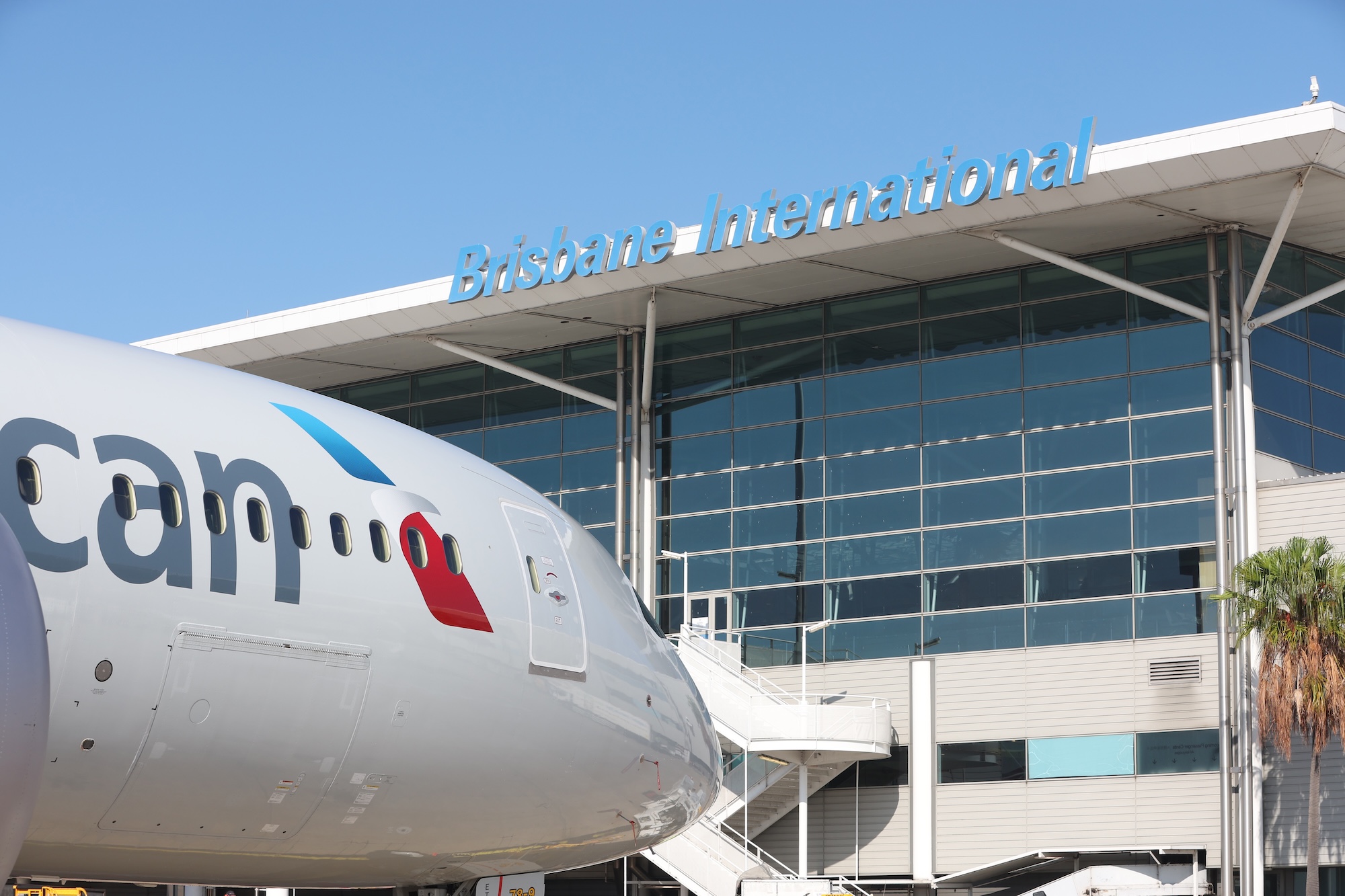
Now, people are actively looking for alternate routes to get to Europe as part of “ingrained behaviour”, and the load factors across those markets have been “really, really impressive”.
“We can’t control political motivations, and we can’t control cancellations from airlines,” he added. “What we can influence is capacity allocations and demand behaviour.”
Embracing route network diversity
Brisbane Airport’s strategy is to bring as much diversity as it can to its network. That will allow the airport to mitigate the impact of a downturn on specific routes and replace that demand elsewhere in the network.
“Diversity should be an ultimate goal,” Cicuttini said. “We don’t want to be overly exposed to any one market.
“Being the third largest airport in Australia, you’re going to get some concentration, because you won’t have the diversity of, say, Melbourne or Sydney. But we have made concentrated efforts to diversify our network and bring that down. We’re basically on par now, at least on a country level, to Melbourne, in terms of seat share by country.”
Featured image: Brisbane Airport