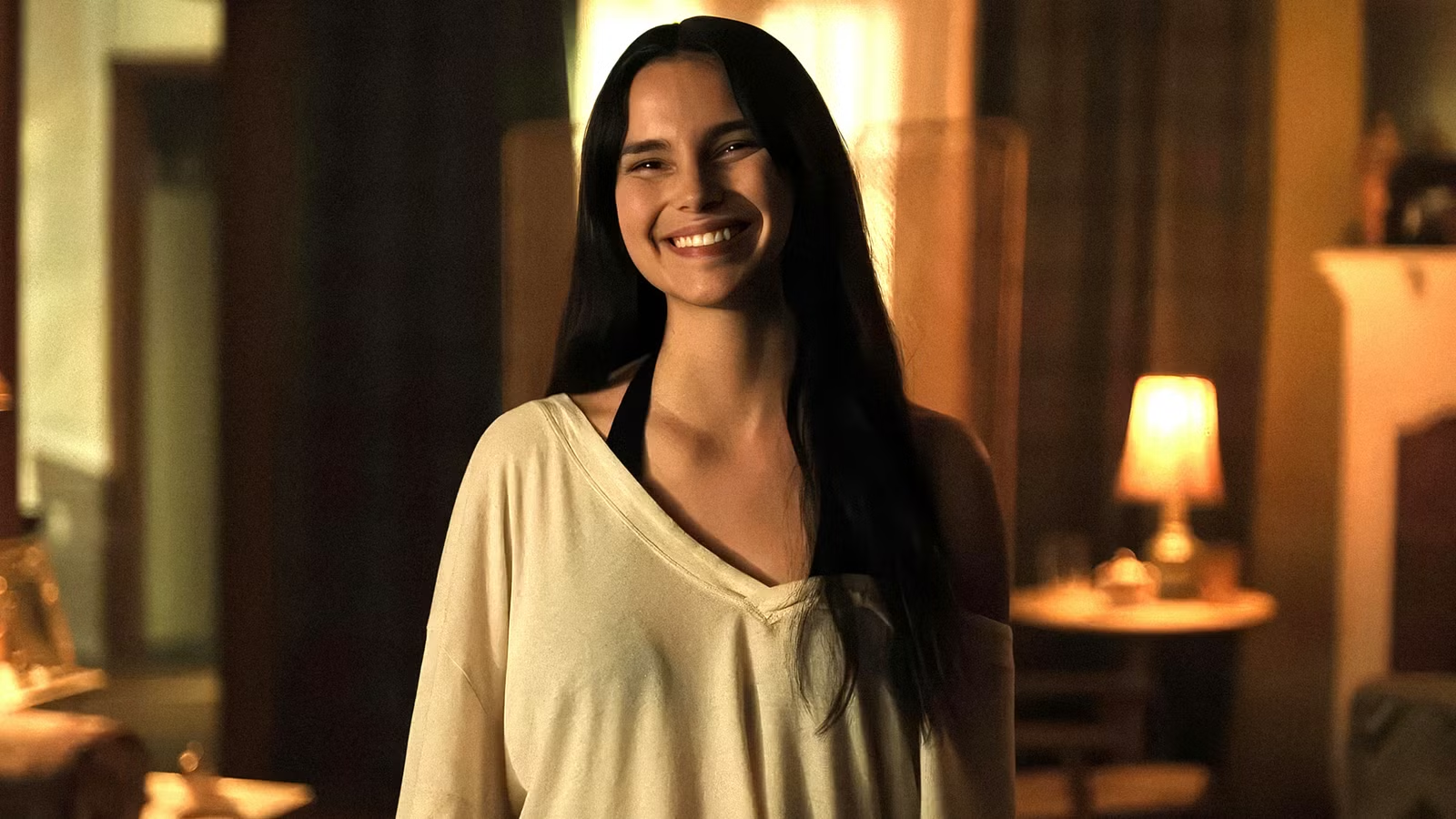
One of the easiest ways to tell that a horror movie has confidence in its scares is when it doesn’t need a monster in the frame. Some of the most effective horror images of the past few years have been built around something much simpler: a smile. A creepy grin has become a recurring fixture in modern horror. It’s central to the identity of Smile and Smile 2. It appears throughout Obsession as Nikki’s (Inde Navarrette) behavior becomes increasingly disturbing. The Evil Dead franchise has spent years turning smiles into expressions of pure malice, and Evil Dead Burn looks ready to continue the tradition. Even movies like Truth or Dare and characters like Art the Clown (David Howard Thornton) from Terrifier have relied on the same basic discomfort.
None of these movies are doing the same thing, and they aren’t even trying to create the same type of horror. Yet filmmakers keep returning to the image because it remains remarkably effective. A smile is familiar. The expression carries certain expectations with it, which gives horror directors plenty of opportunities to twist those expectations into something far more unsettling.
‘Smile’ Turned a Grin Into One of Horror’s Most Recognizable Images

The success of Smile wasn’t built entirely around its curse mythology. What audiences remembered was the grin. Parker Finn‘s franchise understood that the smile itself could become a source of dread. Victims smile moments before their horrific deaths. Complete strangers appear in the background wearing expressions that feel unnatural. The audience quickly learns to associate that smile with danger, creating tension long before anything violent actually happens.
The expression eventually became so synonymous with the franchise that Paramount built much of the marketing campaign around it. Actors appearing behind home plate during televised baseball games didn’t need elaborate costumes or makeup effects, they simply smiled directly into the camera. The campaign worked because viewers already understood what the image represented. What’s impressive about Smile is how thoroughly it transformed an ordinary facial expression into a recognizable piece of horror iconography. Plenty of horror movies have featured creepy smiles before, but few have built an entire franchise identity around them.
‘Obsession’ Hides Its Most Twisted Mystery in Plain Sight
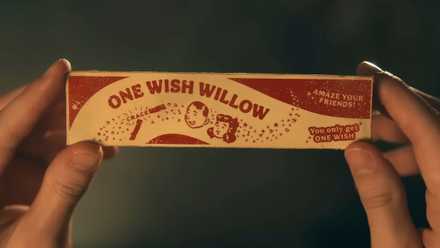
The biggest mystery in the movie starts with a phone number.
‘Obsession’ Uses Smiles To Tell a Much Sadder Story
One of the reasons Nikki remains such an effective horror character in Obsession is that Curry Barker never reduces her to a simple villain. The audience understands from the beginning that Nikki is a victim of Bear’s wish just as much as anyone else. The movie’s horror comes from watching her autonomy gradually disappear beneath an obsession that isn’t truly her own. That context changes the meaning behind many of her expressions. Unlike the grinning victims in Smile, Nikki’s smiles don’t function as warnings. Instead, her smiles become increasingly uncomfortable because they reflect the growing disconnect between the real Nikki and the emotionally fractured version of her created by the wish. The audience can often recognize that something is wrong before Bear is willing to acknowledge it himself.
Barker doesn’t need dramatic transformations or elaborate supernatural effects to communicate that deterioration. Much of the discomfort comes from subtle shifts in behavior. Nikki still looks and sounds like herself, yet her expressions gradually begin feeling wrong in ways that are difficult to articulate and impossible to ignore. That tension becomes one of the movie’s most effective tools because it constantly reminds viewers that somebody is trapped beneath the obsession consuming her.
The ‘Evil Dead’ Franchise Understands That Smiles Can Be Cruel

The Evil Dead movies push the idea in a completely different direction. Deadites smile because they enjoy what they’re doing. One of the reasons the franchise’s possessed characters remain so memorable is that they rarely behave like mindless monsters. They taunt and mock people, and seem genuinely delighted by the suffering they’re causing. Their violence feels personal, and their smiles often become extensions of that cruelty.
Alyssa Sutherland‘s performance in Evil Dead Rise provides some of the franchise’s strongest recent examples. Whether Ellie is grinning through the apartment peephole or tormenting her family inside the building, the smile serves as a reminder that whatever is wearing her face wants everyone around her to suffer. The trailers for Evil Dead Burn suggest the franchise hasn’t lost its appreciation for that imagery. What makes the Deadites especially effective is that they don’t use smiles to hide their intentions: they use them to advertise them.
Horror Filmmakers Keep Finding New Uses for the Same Image

The smile has always had a place in horror. Clowns have been exploiting that discomfort for decades. What feels different about modern horror is how frequently filmmakers are building entire sequences, characters, and even franchises around the image. Part of that comes from how flexible it is. The smile in Smile functions almost like a supernatural warning sign. In Obsession, it becomes evidence that Nikki is losing herself beneath the influence of Bear’s wish. The Evil Dead franchise uses the expression as an extension of the Deadites’ cruelty, allowing them to mock their victims before violence erupts. The image remains recognizable across every property in which it’s utilized, but the purpose behind it changes dramatically. Horror movies spend a great deal of time searching for new monsters, new villains, and new ways to make audiences uncomfortable. Some of the genre’s strongest recent entries have managed to accomplish all of that with an image everyone recognizes instantly, and all they had to do was smile.

- Release Date
-
May 15, 2026
- Runtime
-
108 minutes
- Director
-
Curry Barker