The beginning of the Guam Museum’s permanent exhibit offers visitors a rare experience.
While standing inside the gallery, one feels connected to the outdoors. Images of the ocean, trees, and waterfalls surround the space, gently dissolving the boundary between building and environment.
It reminds us that for the earliest CHamoru ancestors, life was never separate from nature. Land, sea, and sky formed a living system that sustained them and shaped who they became.
Long-time state historian Malia Ramirez, though no longer with us, shared many lessons for us to learn from. Among them was a saying her mother imparted to her: I tano’ siña ha’ ti un nina’gefsåga, lao ti un nina’ñålang, meaning, “The land may not make you rich, but it will never let you be hungry.”
The saying reflects the interdependent relationship between CHamorus and nature. It expresses a worldview rooted in respect and balance. By caring for the land and sea rather than simply extracting from them, one ensures that life continues.
This opening section of the exhibit introduces the relationship that i Manaotaomo’na, the people of before, CHamoru ancestors, developed with Guåhan. Their descendants continue to carry that relationship forward today.
The name Guåhan, meaning “we have,” speaks to the island’s abundance. Across its many environments, the island provided what was needed to live well.
These environments include I Tasi (the open ocean), Sanhålum I Mattingan (the lagoon), I Mattingan (the reef), I Kånton Tåsi (the beach), and I Fi’on Tåsi (coastal areas), as well as wetlands known as Hagoe, Sisonyan yan Fanmangle’an Siha, the jungles and forests, or, Halom Tåno’, and the savannas and valleys referred to as Sabaneta yan Kañåda Siha. Together they offer food, medicines, materials, and so much more.
Cultural knowledge and archaeology tell us that CHamoru ancestors were among the earliest Pacific Island peoples to reach and establish a deep relationship with their homeland. Over generations, they shaped the island through the plants they carried, the values they practiced, and the traditions they nurtured. The island shaped them as well. Through observation, ingenuity, and skill, they refined what was needed to live successfully in this place.
Each environment provides essential resources, many of which are shared across multiple environments. For example: The reef, ocean, and shoreline offer fish, shellfish, and materials for adornment. Coastal areas also provide medicines and other important resources. Forests and wetlands supply wood, fiber, and plants used to build houses, carve canoes, fashion tools, and create traps.
These landscapes are places of learning and play as well. For example, elders today share memories of earlier generations turning vines into jumping ropes or fashioning kites from large leaves and twigs something along these lines has probably always been.
As visitors move through this gallery, they begin to see the CHamoru people themselves. Women, men, and children appear in scenes of daily life that sustain their communities.
From the exhibit, one learns the answers to questions such as: What qualities allowed the earliest CHamoru ancestors, and those who followed them, to reach these islands and make them home thousands of years ago? In what ways did mananiti, the ancestral spirits, guide them? Which places on the island were settled first, and why? What clever methods helped them harvest fish and gather materials from land and sea?
These reflections remind us that the story of Guåhan is not only about the past. It is a living story that continues to shape how we understand the island and our place within it.
Follow the Guam Museum on Instagram and Facebook. Become a friend of the Museum, learn more through the Guam Museum Foundation website, www.guammuseumfoundation.org.
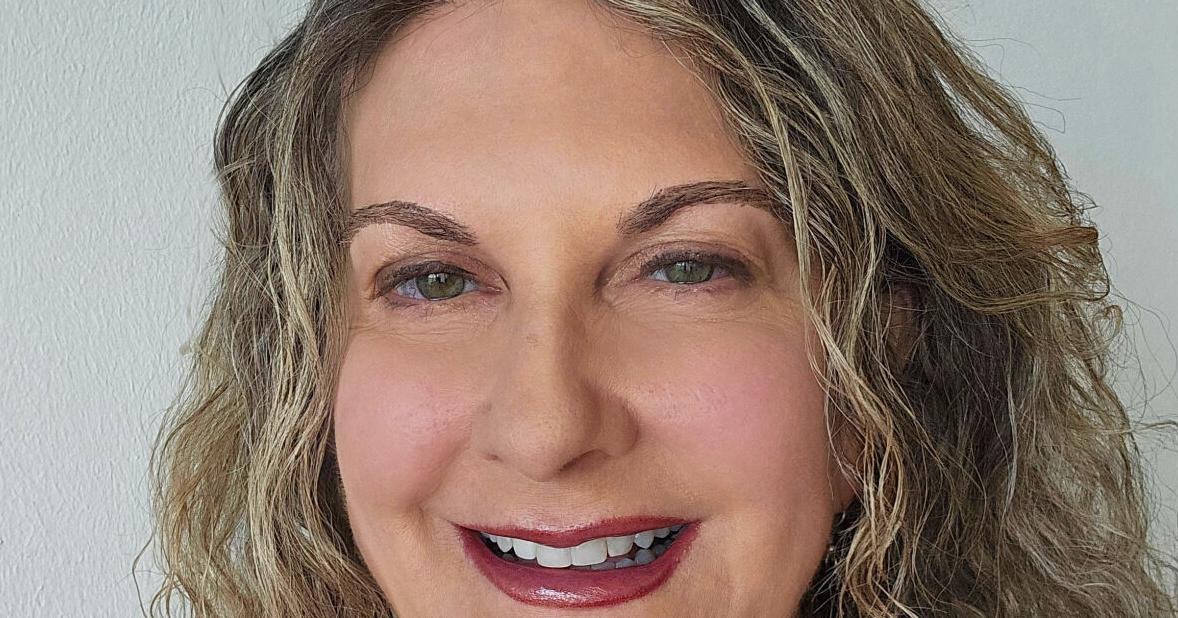
Kelly Marsh-Taitano is a curator at the Guam Museum, where she leads the Cultural Anthropology and History Unit. At the University of Guam, she has taught Guam History and Anthropology and co-led courses with cultural practitioners on latte quarrying and carving. She served as senator in the 35th Guam Legislature.