When it comes to the economy, unhappy voters are telling Republicans one very clear thing: “Remember why we elected you. Fix the Biden economy.”
Surveys have shown that since the 2024 election, the electorate has moved from overwhelmingly preferring Republicans to handle the economy to moving sharply toward Democrats. Given that Republicans won the D.C. trifecta — the House, Senate and presidency — because of serious voter dissatisfaction with the Biden economy, this partisan about-face should be ringing alarm bells for the GOP and it is.
In the most recent Winning the Issues (WTI) survey (Sept. 12-16), voters had more confidence in Democrats to handle the economy over Republicans by a 46-39 percent margin.
For some context, in the WTI 2024 post-election survey, Republicans held an 11-point advantage on the economy. In that same survey, Republicans had a 12-point lead on handling inflation. Today, it’s Democrats with a significant 12-point advantage on inflation.
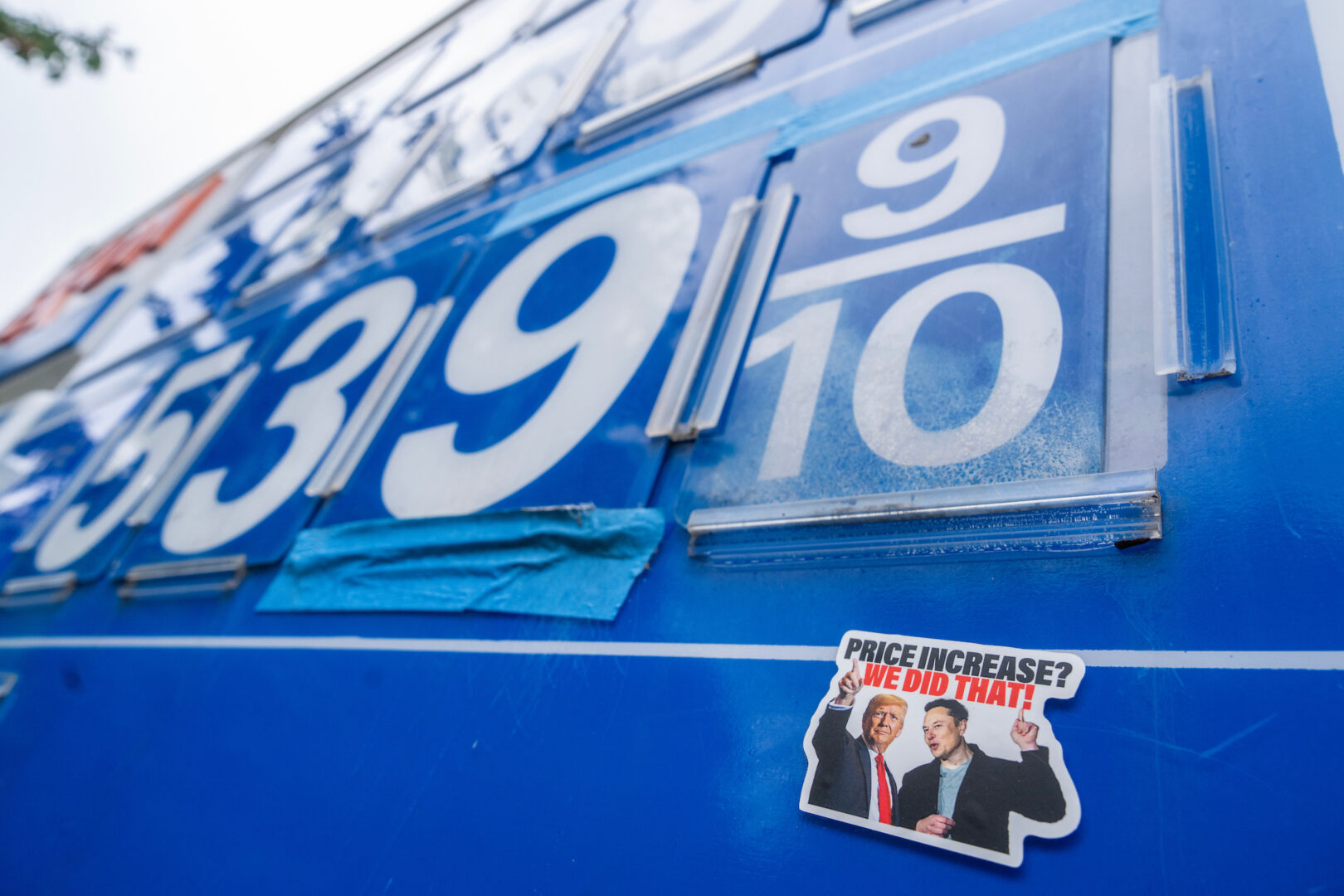
While the electorate remains extremely unhappy with the performance of the Biden economy, they are also frustrated with the current state of play as gas prices rise and food costs remain stubbornly high.
Back in January, 46 percent of the electorate thought the economy was getting better but was evenly split (23-23) between those who thought the economic progress was acceptable versus those who thought the progress was not acceptable.
Now, 35 percent of voters say there has been progress, with only 10 percent saying the progress was acceptable and 25 percent unacceptable.
Obviously, the conflict with Iran drove gas prices higher, which triggered most of that shift. But prior to that, voters had attributed some of the higher costs to tariffs.
Out of runway
With just over 40 days until the election, the economic environment isn’t likely to change dramatically. An end to the Iran conflict would probably help. Positive economic reports on unemployment and inflation scheduled for release in October might make a difference, too.
But with the president’s economic message falling on deaf ears, Republicans are running out of runway.
This means Republican candidates need to focus their own message on the economy — pointing out that progress has been made but acknowledging a lot more needs to be done. Most importantly, what Republicans plan to do next to put the economy back on track and bring down inflation.
The country doesn’t believe either the president or Congress can throw a magic switch and fix the Biden economy overnight. They understand that it took several years to create the economic mess that existed in 2024 thanks to Democratic spending bills enacted early in Biden’s term.
But if Republicans think the electorate won’t vote Democrats back into power because Biden’s economic policies were that bad, they should think again. If their strategy relies simply on reminding the electorate of past Democratic failures, they are in for a bad election night.
We’ve seen that strategy tried before by another president facing a tough midterm election and it failed miserably. President Barack Obama found himself in a similar situation in the 2010 off-year election, when unemployment had been at 9 percent or higher since April 2009. He opted for a blame-game strategy against George W. Bush and the Republicans.
Obama tried to argue that Bush policies had put the “economic car” in a ditch, and that he had spent the last two years getting it out. Now wasn’t the time, he told voters, to give the keys back “to the folks who got us in the ditch in the first place.”
That partisan message alienated independent voters by trying to make Bush and his policies the issue rather than the effectiveness of Obama’s own policies. People didn’t buy it. Obama’s party lost 63 House seats in that election.
The electorate wants a command focus on fixing the current economy; and, despite the many positive policies put in place through the Working Families Tax Cuts Act, far too many voters are unaware of the law’s benefits.
Claiming this is the greatest economy in the history of the country doesn’t sit well in an environment where 73 percent of the electorate says the cost of living is increasing faster than their paychecks.
But what can work are credible facts about progress and policy proposals that voters believe can deliver a better economic future.
First, some facts Republicans can use: Unemployment remains low with 162,000 jobs created in August. Congress passed a bipartisan housing bill that will help make homes more accessible and affordable.
Median household income just reached a record high, growing by 2.6 percent to $87,460. The poverty rate for 2025 came in at a record low of 10.2 percent. Small business creation hit nearly 6 million last year as well.
Over the course of Biden’s presidency, inflation totaled 21.4 percent and outpaced wages by 4.8 percent. One year later, Republican policies had reduced that margin in January 2026 to 2.7 percent, a significant drop, and voter attitudes about the economy began to move in a better direction.
The conflict with Iran, however, increased gas prices and sent that margin back up to 4.1 percent. This is still an improvement over Biden, but clearly remains problem number one. Republicans should acknowledge that reality and recognize that more needs to be done.
Once the situation is resolved with Iran, that will certainly improve things, but ultimately what the electorate is looking for is a plan to get that 4.1 percent down to zero. Offering more policies to spur economic activity that will increase wages is the answer, not handing out government checks. The recent WTI survey found that voters opposed the $5,000 check idea 48 to 39 percent.
What they do support are most of the policies in the Working Families Tax Cuts law if they know about it, particularly the protection of the standard deduction which saved many families from being taxed on an additional $13,400 of income. And that’s one of the biggest challenges facing Republicans, making sure voters understand what this key legislation is doing to improve the economy and the lives of ordinary Americans.
This may be one of the most important elections in recent memory that has been nationalized by both the president and Democrats. But, in the end, every Republican candidate has to sell themselves by talking to voters not only about what has been achieved but their own ideas for future economic progress.