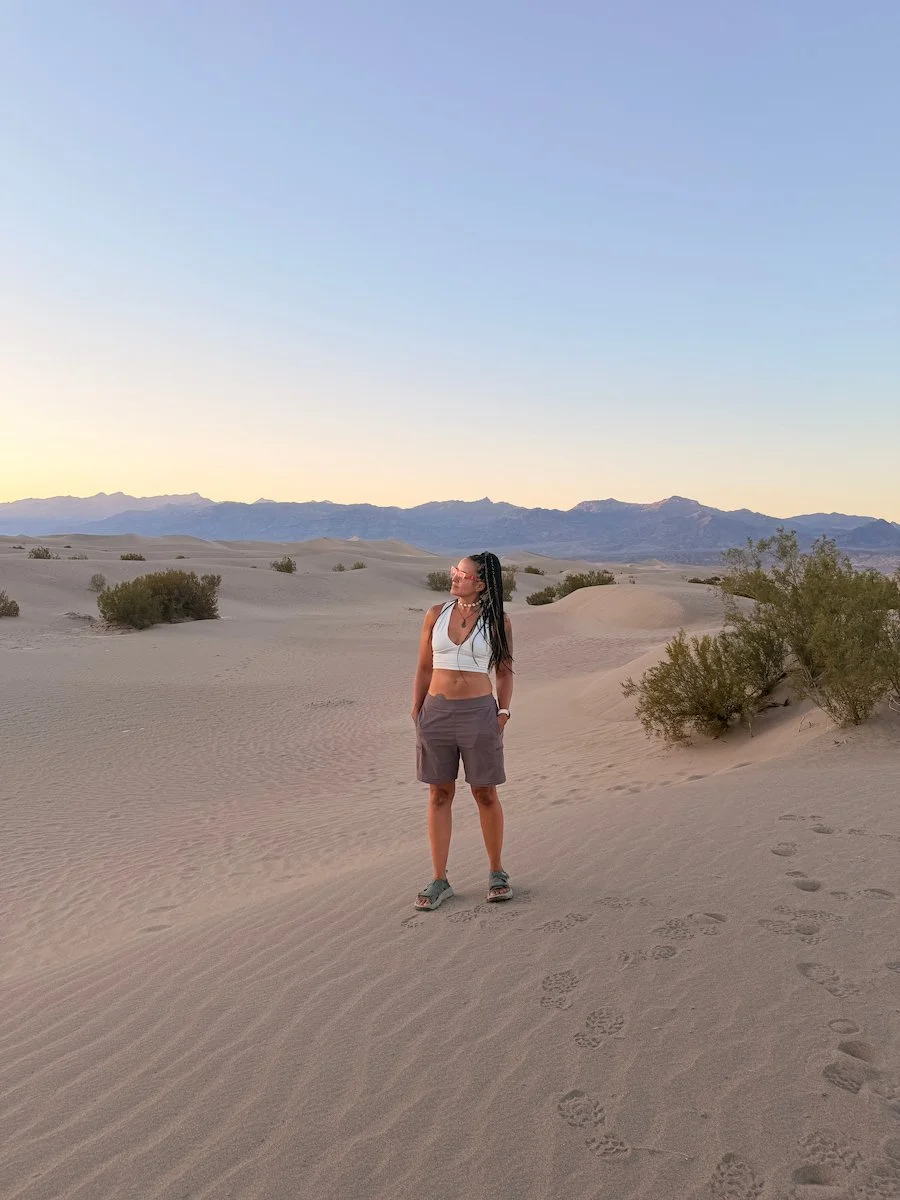
There are several factors to consider when buying travel pants. You may want to ask yourself these questions as a jumping-off point:
-
Where am I traveling?
-
What travel method am I using (e.g., plane, car, train, bus)?
-
What will the weather be like?
-
Is my priority style, function, or versatility?
Since our tester primarily travels by plane, we looked for different factors in travel pants than we would for someone who is exclusively doing road trips. The perfect pair of travel pants will undoubtedly look different from person to person, which is why this guide is meant to help you figure out what works best for you. Below are some key points to consider when shopping for travel pants.
Fabric and weight
There are several common fabric options, including nylon, polyester, elastane, nylon-spandex blends, cotton blends, recycled polyester blends, hemp, and proprietary polyester blends. Most synthetic fabrics are lighter weight, which means the clothing can be thinner and more packable. Organic fabrics tend to be heavier, which can make them more durable.
Nylon is a synthetic fiber that is human-created. It is best known for its elasticity and stretch. Most products with any stretch will include nylon as one of their materials. Nylon is both lightweight and strong. Other features include abrasion resistance, moisture wicking, wrinkle resistance, and quick drying. One downside of nylon is its low breathability when the fabric is heavy or tightly woven.
Polyester is another synthetic fiber that is human-made. Like nylon, polyester is also known for being lightweight, quick drying, moisture-wicking, and wrinkle-resistant. Polyester can also retain odors. Recycled polyester is more sustainable, using recycled water bottles and other post-consumer plastics in its manufacturing. Some companies market their polyester as proprietary, like Kuhl’s “Freeflex” fabric.
Nylon-spandex-elastane blends are all common names for the same type of incredibly stretchy synthetic fabric. You’ll often find this blend in athletic wear, base layers, socks, and of course, travel pants! The trade-off is that nylon can have low breathability (if the fabric is heavy or tightly woven).
Cotton is an organic/natural fiber that is arguably one of the most common fabric types in the world. Unlike the synthetic fabrics, cotton is known for its breathability and heat retention. Many types of clothing are made by blending cotton with other fabrics such as nylon and polyester to maximize the properties of each. Cotton is heavier than synthetic fabrics, has lower moisture-wicking properties, and does not dry quickly.
Hemp is another organic/natural fiber and comes from the Cannabis sativa plant. Like cotton, hemp is highly breathable. In addition, hemp has solid moisture-wicking properties. The trade-offs are that hemp doesn’t have as much stretch as synthetic fabrics and is heavier.
Several travel pants we tested had a DWR (durable water repellent) coating. Both the REI Trailmade Relaxed and the Kuhl Freeflex Roll-up are made without PFAS. PFAS-free DWR may be worth seeking out if you’re interested in more sustainable options that reduce toxic chemical use.
Stretch and range of motion
Stretch and range of motion are important factors when evaluating travel pants you will wear while standing, sitting, walking, bending, squatting, and getting on and off for bathroom breaks. You will most often see an item’s stretch capability written as 2-way or 4-way stretch. These are misnomers because 2-way stretch means the fabric stretches in one direction, while 4-way stretch means it stretches in two directions. But we guess 1-way stretch and 2-way stretch didn’t sound as marketable!
Pants with 4-way stretch will give you much more flexibility for challenging travel days that have you reaching into overhead bins, sitting in cramped seats, walking long distances while carrying a bag or dragging a suitcase, or even while relaxing at your hotel after a long day on the road. However, some material with 2-way stretch had even greater stretch capacity, so it will vary by brand/style.
Having a lot of stretch is a good indicator that the pants will be comfortable, as they’re more likely to move with you and be forgiving. However, other factors also affect comfort, including the gusset design and the pants’ cut and shape.