The war involving Iran has driven up fuel and fertilizer costs across parts of Asia, forcing farmers to reduce planting and raising concerns over crop yields later this year, The Washington Post reported on Saturday.
The disruptions have hit farmers entering key sowing periods, particularly those dependent on urea fertilizer and imported fuel. Supply pressure linked to the Persian Gulf and the Strait of Hormuz has limited access to key agricultural inputs, the report said.
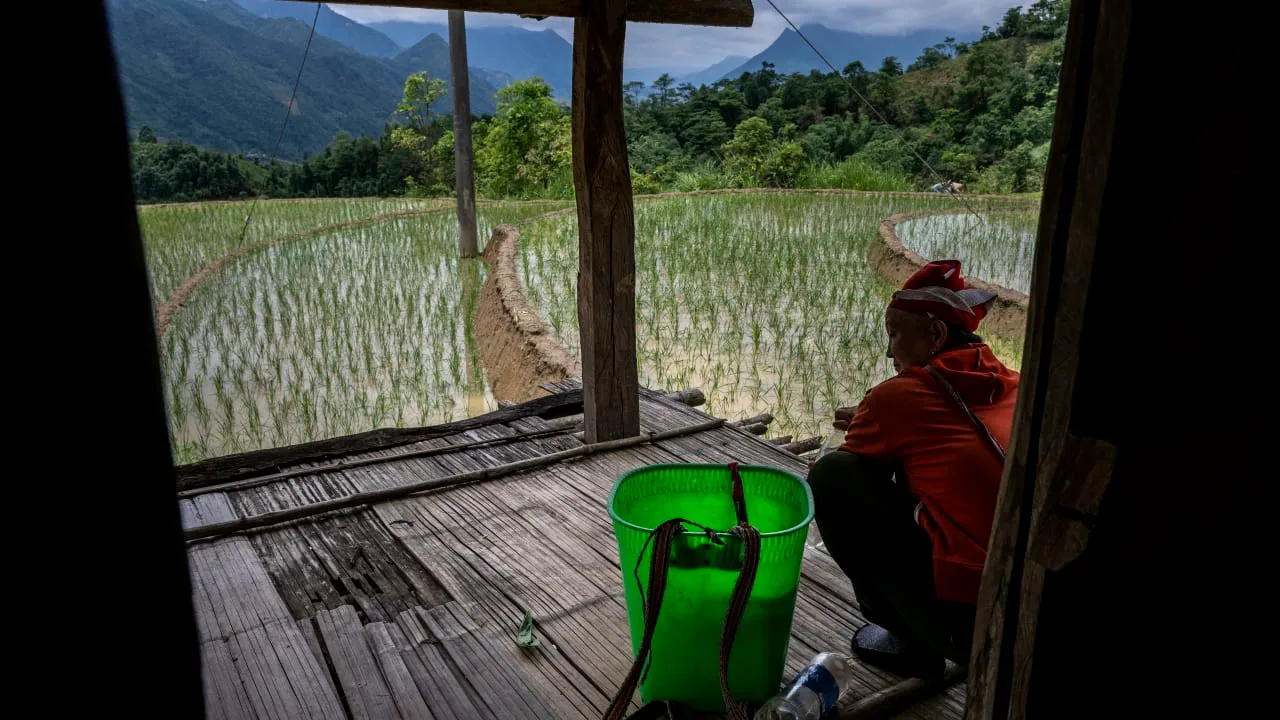
Thai rice farmers have delayed or reduced planting as production costs rise above expected sales revenue. One farmer cited in the report said planting and harvesting would cost roughly $33,000, while the crop would be expected to sell for about $22,000.
Urea, a nitrogen-based fertilizer widely used to increase yields, has become a central concern. A large share of global urea supply has effectively been removed from the market, while spot-market prices have risen sharply since February, The Washington Post said.
The disruption has affected Thailand, the Philippines, Bangladesh, and Australia, where farmers have begun major planting periods. Some farmers are reducing fertilizer use, leaving land unplanted, or scaling back cultivation, the report said.
UN Food and Agriculture Organization officials warned that the impact could widen as India and Brazil, two major agricultural producers, increase fertilizer demand in June. Without timely shipments, countries could face yield losses and higher commodity prices, The Washington Post said.
Thailand’s government has said the country has sufficient fertilizer reserves for the planting season. Fertilizer shops in central Thailand, however, said they had been out of urea for weeks, while efforts to secure alternative supplies from Russia were expected to face long shipping delays, according to the report.
Farmers are also facing weaker export demand. The Middle East accounted for a significant share of Thailand’s rice exports in 2025, but shipments to Gulf countries have stalled since the conflict began, contributing to a domestic glut and lower rice prices, The Washington Post said.
Many Thai farmers were already dependent on loans before the war disrupted agricultural markets. Higher input costs and lower crop revenue could push farmers deeper into debt, agricultural representatives warned.
The report ended with farmers and agricultural leaders describing the crisis as beyond their control, while urging farmers to continue through the season despite mounting financial pressure.