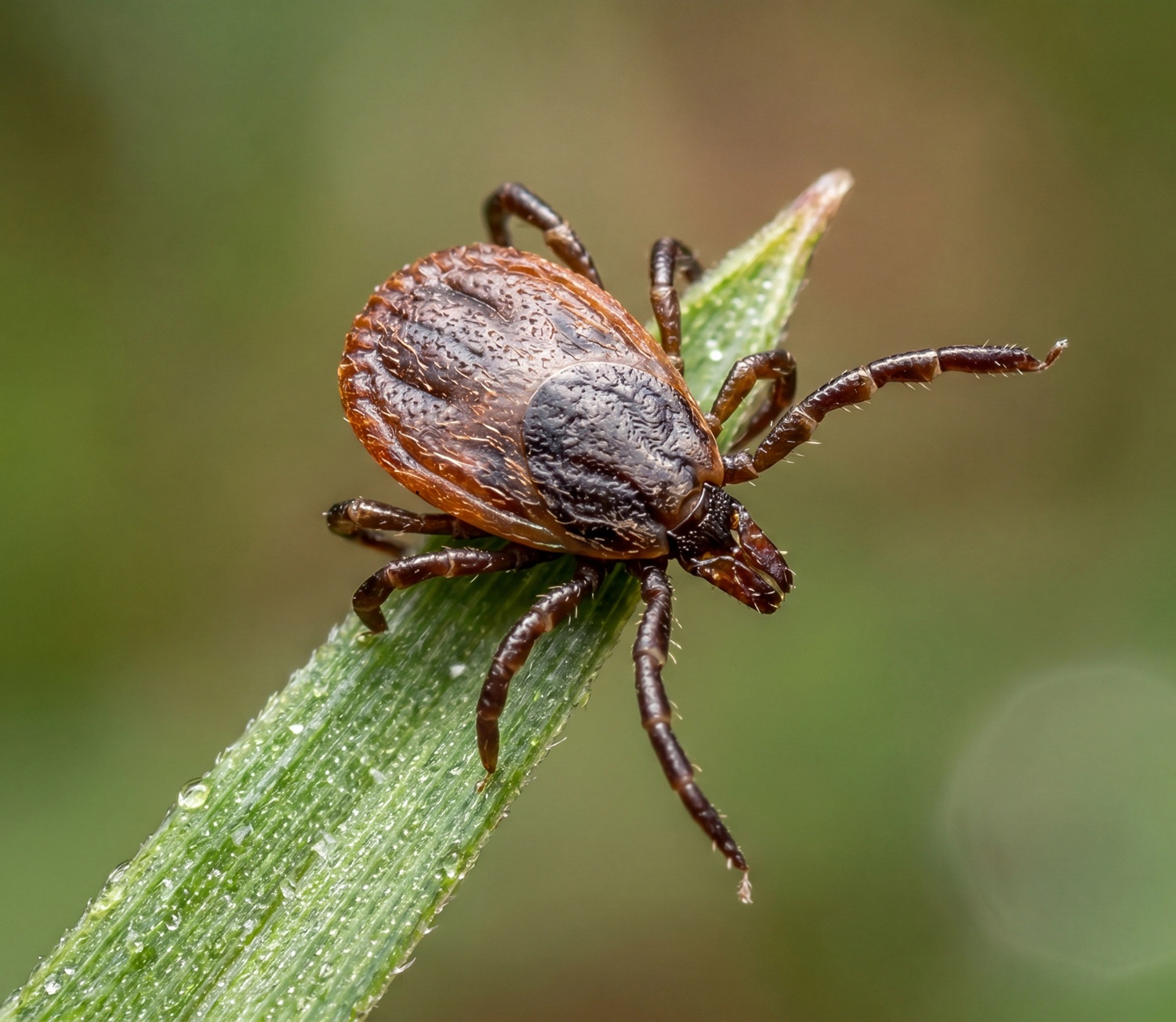
Recently, several news outlets have reported on the case of John Reagan, a 66‑year‑old retired New Hampshire man who developed severe Powassan virus infection weeks after removing a tick.
His story has been covered by People, Yahoo News, CBS Boston, and the Concord Monitor.
According to these reports, Reagan experienced rapidly worsening neurological symptoms, including confusion, difficulty speaking, and loss of consciousness, and he ultimately required intensive care and ventilator support.
These details paint a devastating picture of how quickly Powassan virus can progress and how limited current medical options are.
The pitfalls of “standard” Lyme prevention
Several news stories note that Reagan was given what they describe as “standard preventive treatment” for Lyme disease after the tick was removed. And what is considered the “standard preventative treatment” for Lyme? A single dose of doxycycline, the regimen recommended in the IDSA Lyme guidelines.
This raises two critical issues:
1. doxycycline cannot prevent Powassan virus
Powassan is a virus. Doxycycline is an antibiotic. Antibiotics do not prevent viral infections.
There is currently no medication that can prevent Powassan after a tick bite and nothing that can treat the infection once you have it. The best hospitals can offer are supportive measures, such as IV fluids, supplemental oxygen, or medication to reduce brain swelling.
2. The “standard” Lyme prevention likely won’t protect you from Lyme either
The one‑dose doxycycline rule is based almost entirely on a single study from 2001 that measured only one outcome: whether people developed a rash at the bite site.
But people can have Lyme disease without a rash. They can have Lyme when they develop entirely different symptoms—or initially, no symptoms at all. And if the illness is not caught and treated early, they can develop long-term symptoms that may stick around for months or years.
A prevention strategy based on a study that only measured rashes is dangerously irrelevant.
Yet this one‑dose rule has become the national standard for after-tick bite care, shaping medical practice and insurance coverage for millions of patients.
Reagan’s case exposes a larger problem
Reagan followed the rules. He found a tick. He sought medical care. He received the “standard” preventive treatment.
And weeks later, he was fighting for his life from an infection no antibiotic can stop.
His story highlights two realities:
- Powassan virus has no preventive treatment and no cure.
- The current Lyme prophylaxis guideline is narrow, outdated, and inadequate for the range of infections ticks now carry.
Ticks today transmit more pathogens than ever before. Yet the medical response to tick bites has barely changed in more than 20 years.
That’s why tick‑bite prevention isn’t optional—it’s essential.
This means being aware of tick habitats, dressing defensively, using tick repellent judiciously, checking for ticks after outdoor activities, and removing ticks promptly and correctly.
Reagan’s story is heartbreaking, and it is also a warning. Tick‑borne diseases are evolving. Our prevention strategies need to evolve with them.
TOUCHED BY LYME is written by Dorothy Kupcha Leland, President of LymeDisease.org. She is co-author of Finding Resilience: A Teen’s Journey Through Lyme Disease and of When Your Child Has Lyme Disease: A Parent’s Survival Guide. Contact her at dleland@lymedisease.org.