It’s not clear how California’s education power shift will impact schools this year | CA Politics 360
Assembly Member Patel, thank you so much for making time for us. Thank you, Ashley, for having me here. I think the question that we’re really trying to answer this week is what educational outcomes specifically can we expect with this big change with the Department of Education? It is *** big change with the Department of Education. The SPI will still be an elected position, elected by the public as *** nonpartisan position. But what we hope to see is *** streamlining of the administration of public education in California so with the new commission that will be *** commissioner that will be appointed by the governor and confirmed by the state senate, we’ll have an actual administrator administrating the governance vision and the policies of the state board of education. So it’ll be *** clear line of authority and chain of command. So our folks on the ground will now know who exactly to reach out to, who the community can hold accountable for delivering on public education, but the superintendent of public instruction has, I mean, voters have been under the impression. That he, that’s the person to be held accountable. Like why, why create this brand new position and not leave the Department of Education under the SPI? Well, that’s exactly the challenge that we’re trying to address here. The voters have had this impression that the SPI is actually *** very independent position, but if you look at the way the structure actually is, you’ll see that the state board of education, which is all appointed by the governor. Gives direction to the SPI and the SPI has to implement the policies that the that the state board delivers, and they have to administer over the 2000 employees of the California Department of Education, so they’re actually not quite that independent. What this change will do is we’ll create an office of the Superintendent of public instruction which will actually be an independent watchdog which will have the authority and the positions and the appointments on different boards throughout the state. Which will give it that independent actual visionary position of delivering on education for California, not just K through 12, and that’s the important part with the new changes in the SBI, the SBI will have oversight all the way from preschool. To higher education. When you say oversight though, do you mean auditing power? Is it like what, what oversight specifically? So this SPI, the phase two of the plan that we have put forward, will give the SPI, the elected SPI in November. The commissioner who will be appointed in January as well as the legislature oversight and input into what that phase two looks like to define that role, so the incoming SBI will have that position at the table to negotiate their own rules and responsibilities. It’s an incredible opportunity and the timing actually only works in between cycles like this. OK, so I just wanna go back to the first question though. What educational outcomes? We know California students are struggling in reading, math, science, I mean virtually many subjects. What will this do for those educational outcomes? So on the ground what we’ll see is *** streamlined process when our LEAs are looking for supports they’re gonna be able to go to the CDE through their counties or direct. to the CDE and they will have *** qualified administrator leading them to addressing all of their concerns when there’s *** new program that is rolled out by the governor and it’s put in through the budgetary process, the administrator of the commissioner of the California Department of Education will be in line and synced up with that policy. And they will have clear budgetary authority to provide resources to those local agencies who are trying to implement these broad policy shifts. There will be clear accountability. So if *** school district is trying to implement *** new policy from the state and they’re not adequately resourced, they can go directly to the commissioner who has *** direct chain of command to the governor who’s controlling the state budget. But are there thresholds like guarantees that this will help? So What we’re doing right now isn’t working. And for 100 for over 100 years there have been report after report after report showing that this fractured governance system where we have the state board of education who is appointed by the governor competing with or sometimes not in line with an independently elected SPI and what that means on the ground level is that people don’t know how to implement or to what threshold they need to implement *** new policy. This will streamline that. What we’re doing right now isn’t working as you said we have literacy rates that are not where they need to be math understanding, number sense not where it needs to be our UC system, you saw the report from UCSD and from Cal kids are coming in, students are coming into college without having *** good understanding of basic algebra. We can’t keep doing the same thing that we’ve been doing and expect *** different result. We all know that that’s nonsense. The superintendent of public instruction, who currently holds this office, Tony Thurmond, we spoke with him, he said that he was not included at all in this process. I mean, you all essentially wrote *** law on *** Friday and you passed it on *** Monday. Yeah, that, you know, if we look back at the timeline in January, the governor made his proposal through the budget. By February I was chair of the education committee and I took it upon myself as my first action to hold an information hearing where we had all the key stakeholders present, including the superintendent, to weigh in on what they’re negotiating gonna what it, what their negotiations would be at the table. I invited all key stakeholders into the very public conversation. That was the opportunity to start engaging on what that change would look like. The governor made his mission very, very clear that this was going to happen. This is *** bit in the weeds though, informational hearings. You’re not taking *** vote. They’re not that high stakes. I mean what you passed was *** brand new law and an overhaul of *** constitutional office within *** matter of. Days, I mean, is that is that democratic? No, actually it wasn’t even *** couple of days. So after that informational hearing in February we had two months of engaging with stakeholders between January and April, the end of January and the end of April, we had dozens of meetings, hours and hours and hours of conversation, input from the governor’s office, input from key stakeholders. We had our doors wide open from. Meetings and conversations with key stakeholders and then we actually had *** bill written by David Alvarez. I later joined on as co-author and that happened in April. So January was the proposal, February was the information hearing through that period engaging with key stakeholders, all opportunities open doors open we wanted to engage end of April, April 22nd, we voted on David Alvarez’s bill. And that was the opening salvo to *** policy. Plenty of opportunity for folks to weigh in and we did get *** lot of input, letters upon letters from folks supporting this opposing it. We took their input in. The thing that Assembly member Alvarez and I wanted to make sure is there would be joint accountability over this new transition. We got some important wins and I want to share that the SPI will be on all of the higher education boards. That’s important also on C2C FICMAT, so having *** seat at the table where we’re doing over oversight and accountability data information, that’s important. Also what we got is an appointment from the speaker on the state board of education. An appointed position from the Speaker pro tem on the state board of education and the SPI that’s now 3 positions independent from the governor that we have never had before. So for the people of California, what this means is they’re gonna have more elected representation on the body. State Board of Education, which is the policy making and governance body for education in California, and so you don’t see it as like *** growth of the governor’s power in the state of California with this so many states, in many most states, the governor is the ultimate overseer of public education. So California, sometimes we’re different than other states, but California voters 4 times have indicated that they want the superintendent of public instruction to remain *** constitutional office, and it is the principle of the way that all of this was done. I mean you have 2 people right now running to be superintendent. And I mean you’re, I mean, essentially yanking part of the rug from under them. I mean you, you don’t, is again going back to the question I asked earlier, is that democratic? Is that, is this *** good way to do this? I think it’s aligning the job more with what people think the job is. Nobody thinks they’re electing an administrator. They think they’re electing the person who’s going to oversee the vision of education in California and why not just empower that office then as opposed to empowering the state board there always will be this fractured governance in that system. And report after report, independent analysis after data study show that this fractured governance system isn’t delivering for California aside from the Stanford study, what, what other studies the pace report, yeah, the pace report, but aside from that one, which ones? You know, I can’t recall them all by name, but it’s been, there’s been at least, um, 4 or 5 different studies throughout the years, throughout the decades that have shown this, and additionally, um. What we know is the timing is never gonna be good for this, but the best opportunity is in between when we’re redeveloping and reshaping. Who is going to be in these seats? Because imagine if we did this two years in. Right, then you’d be taking *** person who was elected and switching their role midway through, but then that person who’s elected though would at least have *** say in what you’re doing. They’re still gonna have *** say. So part of the phase two of this process is, but you’ve already changed the law. You’ve already changed the law. They won’t have *** say. I mean they won’t have *** say in what’s being taken out of their office. They, they have not had *** say in what’s being taken away from them. I, I, I understand the concern and I am sympathetic to it. The reality is that Californians want to see. Their children get *** high quality of education and we’re not seeing that right now. And you can guarantee this change will do that. There are no guarantees, we know that, but we can’t keep, like I said, we can’t keep doing the same thing and expect *** different result. The Honig decision from the 90s affirmed that the legislature has the plenary authority to change the rules and responsibilities of the SPI. We’re not eliminating the position. Yes, that is constitutional and that would require *** vote of the people. But we do have the authority to change the rules and responsibilities and expanding the role of the FBI into having *** voting seat on the state board of education, expanding the role to have oversight into community college, which was *** donut hole in this leadership. And allowing the legislature to have *** clear chain of command with *** clear um relationship with the California Department of Education is gonna be very important so my hope I think like *** scientist my hope is that we’re gonna endeavor upon this new. Journey to see what this is like. The great thing about this proposal and this shift is the legislature has 2 appointments into the state board of education, and we will be able to use that to make sure we’re going in the right direction for parents, students. I mean, the school year starts in *** matter of weeks technically. What, what can they expect this year? I mean, what does this transition mean for the upcoming school year? I think for the folks on the ground they may not see *** difference right away they’re gonna open their school gates kids are gonna come to school they’re still gonna do math and they’re still gonna do reading and they’re still gonna do science they’re still gonna get the supports that they need so in the short term. It will seem like business as usual. I think the long term hope is that we’ll see the interventions and supports that our students need to thrive. Is there anything else, assembly member, that you think we should know about this change? I would ask that the people remain optimistic and hopeful that having this better this this more streamlined governance system will help us be more efficient and will help us hold the right folks accountable for the outcomes that we get. And so Pat Patel, we really appreciate your time. Thank you so much. Yeah, thank you for having me.
It’s not clear how California’s education power shift will impact schools this year | CA Politics 360

After California lawmakers and the governor changed state law so the Department of Education is overseen by the governor instead of the state superintendent, it’s unclear how the move will impact the upcoming school year. “What we hope to see is a streamlining of the administration of public education in California,” Assembly Education Chairwoman Assemblymember Darshana Patel, D-San Diego, said in an interview on California Politics 360.Patel helped carry the change through legislation at the state Capitol. The Department of Education will be directly overseen by a brand-new Education Commissioner who will be appointed by the governor and confirmed by the State Senate in January of 2027. “It’ll be a clear line of authority and chain of command. So, our folks on the ground will now know who exactly to reach out to, who the community can hold accountable for delivering on public education,” she said. The restructuring aims to address what Patel described as a “fractured governance system” that has hindered the effectiveness of California’s education policies. “The voters have had this impression that the SPI is actually a very independent position. But if you look at the way the structure actually is, you’ll see that the state Board of Education, which is all appointed by the governor, gives direction to the Superintendent of Public Instruction (SPI), and the SPI has to implement the policies that the state board delivers,” Patel said. Under the new system, Patel said the SPI will serve as an independent watchdog with expanded oversight responsibilities, including preschool through higher education. Patel emphasized that this change is designed to provide clearer accountability and better resource allocation for local agencies implementing state policies. “When there’s a new program that is rolled out by the governor and it’s put in through the budgetary process, the administrator of the commissioner of the California Department of Education will be in line and linked up with that policy, and they will have clear budgetary authority to provide resources to those local agencies who are trying to implement these broad policy shifts,” Patel said. When asked about guarantees for improved educational outcomes, Patel acknowledged the there are no guarantees but stressed the need for change. “What we’re doing right now isn’t working,” she said. “We have literacy rates that are not where they need to be. Math. Understanding numbers are not where it needs to be. Our UC System, you saw the report from UCSD and from Cal. Kids are coming in. Students are coming into college without having a good understanding of basic algebra. We can’t keep doing the same thing that we’ve been doing and expect a different result. We all know that. That’s nonsense,” she saidCurrent SPI Tony Thurmond expressed concerns about being excluded from the decision-making process, stating that the law was written and passed within days without voter approval. Patel defended the timeline, explaining that the governor’s proposal was made in January, followed by months of stakeholder engagement and informational hearings. “We had dozens of meetings, hours and hours and hours of conversation, input from the governor’s office, input from key stakeholders. We had our doors wide open for meetings and conversations with key stakeholders,” Patel said. Patel emphasized that the changes align the SPI’s role with public expectations. “Nobody thinks they’re electing an administrator. They think they’re electing the person who’s going to oversee the vision of education in California,” she said. For parents and students, Patel noted that the upcoming school year will likely feel unchanged in the short term. “They’re going to open their school gates. Kids are going to come to school, they’re still going to do math, and they’re still going to do reading, and they’re still going to do science. They’re still going to get the support that they need,” she said. Patel urged Californians to remain optimistic about the long-term impact of the changes. “I would ask that the people remain optimistic and hopeful that having this better, this more streamlined governance system will help us be more efficient and will help us hold the right folks accountable for the outcomes that we get,” she said.KCRA 3 Political Director Ashley Zavala reports in-depth coverage of top California politics and policy issues. She is also the host of “California Politics 360.” Get informed each Sunday at 8:30 a.m. on KCRA 3.
After California lawmakers and the governor changed state law so the Department of Education is overseen by the governor instead of the state superintendent, it’s unclear how the move will impact the upcoming school year.
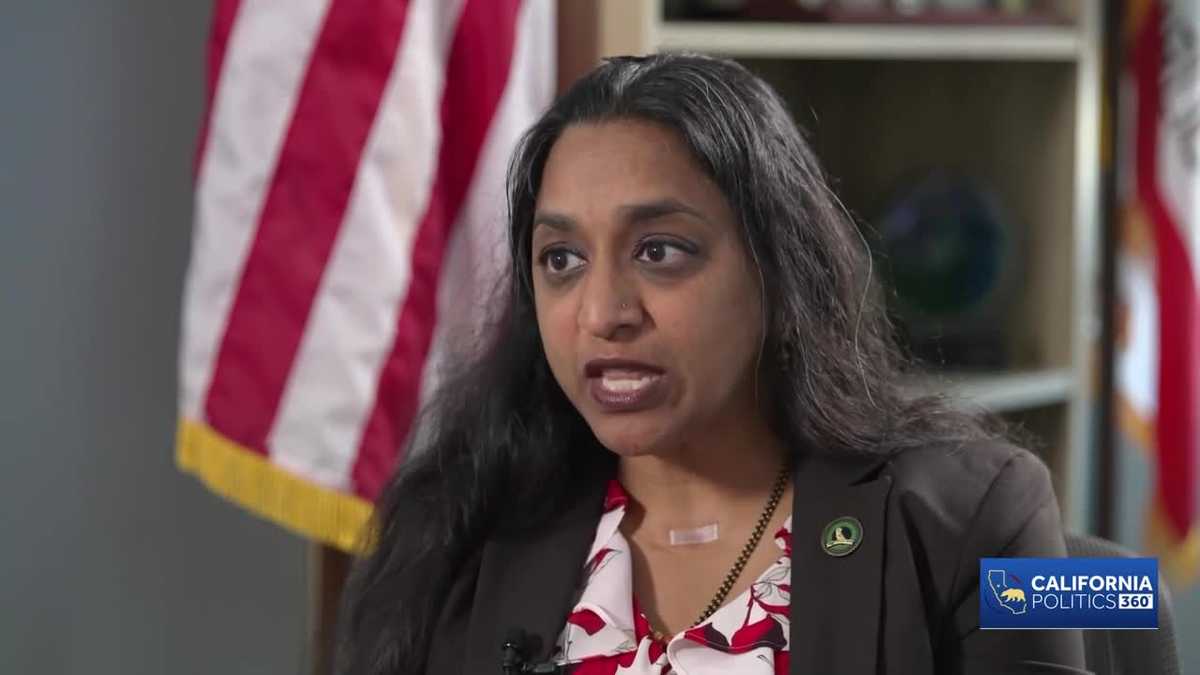
“What we hope to see is a streamlining of the administration of public education in California,” Assembly Education Chairwoman Assemblymember Darshana Patel, D-San Diego, said in an interview on California Politics 360.
Patel helped carry the change through legislation at the state Capitol. The Department of Education will be directly overseen by a brand-new Education Commissioner who will be appointed by the governor and confirmed by the State Senate in January of 2027.
“It’ll be a clear line of authority and chain of command. So, our folks on the ground will now know who exactly to reach out to, who the community can hold accountable for delivering on public education,” she said.
The restructuring aims to address what Patel described as a “fractured governance system” that has hindered the effectiveness of California’s education policies.
“The voters have had this impression that the SPI is actually a very independent position. But if you look at the way the structure actually is, you’ll see that the state Board of Education, which is all appointed by the governor, gives direction to the Superintendent of Public Instruction (SPI), and the SPI has to implement the policies that the state board delivers,” Patel said.
Under the new system, Patel said the SPI will serve as an independent watchdog with expanded oversight responsibilities, including preschool through higher education. Patel emphasized that this change is designed to provide clearer accountability and better resource allocation for local agencies implementing state policies.
“When there’s a new program that is rolled out by the governor and it’s put in through the budgetary process, the administrator of the commissioner of the California Department of Education will be in line and linked up with that policy, and they will have clear budgetary authority to provide resources to those local agencies who are trying to implement these broad policy shifts,” Patel said.
When asked about guarantees for improved educational outcomes, Patel acknowledged the there are no guarantees but stressed the need for change.
“What we’re doing right now isn’t working,” she said. “We have literacy rates that are not where they need to be. Math. Understanding numbers are not where it needs to be. Our UC System, you saw the report from UCSD and from Cal. Kids are coming in. Students are coming into college without having a good understanding of basic algebra. We can’t keep doing the same thing that we’ve been doing and expect a different result. We all know that. That’s nonsense,” she said
Current SPI Tony Thurmond expressed concerns about being excluded from the decision-making process, stating that the law was written and passed within days without voter approval. Patel defended the timeline, explaining that the governor’s proposal was made in January, followed by months of stakeholder engagement and informational hearings.
“We had dozens of meetings, hours and hours and hours of conversation, input from the governor’s office, input from key stakeholders. We had our doors wide open for meetings and conversations with key stakeholders,” Patel said.
Patel emphasized that the changes align the SPI’s role with public expectations. “Nobody thinks they’re electing an administrator. They think they’re electing the person who’s going to oversee the vision of education in California,” she said.
For parents and students, Patel noted that the upcoming school year will likely feel unchanged in the short term. “They’re going to open their school gates. Kids are going to come to school, they’re still going to do math, and they’re still going to do reading, and they’re still going to do science. They’re still going to get the support that they need,” she said.
Patel urged Californians to remain optimistic about the long-term impact of the changes. “I would ask that the people remain optimistic and hopeful that having this better, this more streamlined governance system will help us be more efficient and will help us hold the right folks accountable for the outcomes that we get,” she said.
KCRA 3 Political Director Ashley Zavala reports in-depth coverage of top California politics and policy issues. She is also the host of “California Politics 360.” Get informed each Sunday at 8:30 a.m. on KCRA 3.