Targeted by multiple states within six months, quarterly revenue plummeted nearly 50%.
By Ben Dooley
Translated by TechFlow
TechFlow Intro: Cryptocurrency ATMs—once ubiquitous across convenience stores nationwide—are collectively exiting the U.S. market under mounting regulatory pressure. Bitcoin Depot, the world’s largest crypto ATM operator, filed for bankruptcy protection on May 18, halting operations of its approximately 9,700 machines. The immediate trigger was a wave of state-level restrictions—including transaction limits, license suspensions, and anti-fraud lawsuits. According to FBI data, consumers lost $389 million through crypto ATMs to scams in 2025. This report by the International Consortium of Investigative Journalists (ICIJ) reconstructs the full arc of Bitcoin Depot’s rise and collapse—from public listing to bankruptcy.
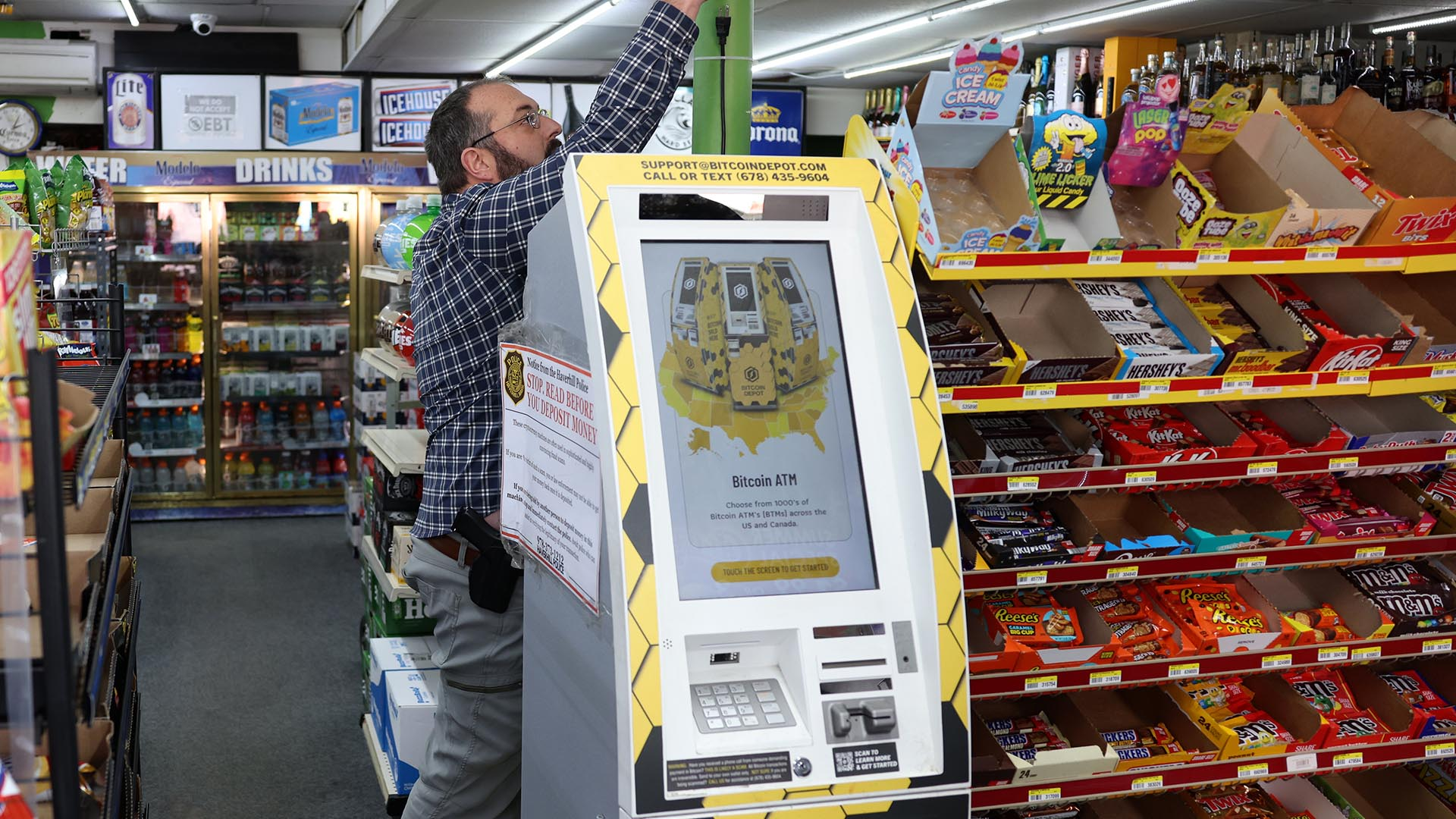
Caption: On April 6, 2026, a police officer disconnects the power supply to a Bitcoin Depot ATM inside a convenience store in Haverhill, Massachusetts.
Photo source: Jessica Rinaldi/The Boston Globe via Getty Images
Bitcoin Depot—the world’s largest cryptocurrency ATM operator—filed for bankruptcy protection on May 18. Long accused of facilitating fraud, the company delivered yet another blow to the industry.
In a statement posted on the company website, CEO Alex Holmes announced that all ~9,700 of its crypto ATMs have been taken offline and operations have ceased.
Holmes attributed the collapse to “increasingly stringent compliance requirements—including new transaction limits and direct restrictions or bans on crypto ATMs in certain jurisdictions”—rendering the company’s business model unsustainable.
Over the past year, local and state governments across the U.S. have significantly tightened regulation of crypto ATMs. Functioning like traditional bank ATMs but designed to convert cash into cryptocurrency, these machines have drawn regulatory scrutiny amid concerns they are being exploited for fraud.
FBI data shows consumers lost $389 million to scams conducted via crypto ATMs in 2025. Fraudsters used these machines to rapidly move victims’ funds overseas—placing them beyond the reach of U.S. law enforcement.
Targeted by Multiple States Within Six Months; Quarterly Revenue Plunges Nearly 50%
As the largest crypto ATM operator, Bitcoin Depot became the prime regulatory target. How intense were the crackdowns over the past six months?
Connecticut revoked Bitcoin Depot’s money transmitter license, citing inadequate anti-money laundering controls; Missouri’s Attorney General launched an investigation into Bitcoin Depot and other crypto ATM operators; Nevada and Maine reached enforcement settlements with the company, requiring it to pay fines and comply with state rules; Massachusetts’ Attorney General sued Bitcoin Depot directly, alleging that the majority of its revenue derived from crypto scams; and Iowa’s Attorney General’s Office also filed suit.
The financial impact is stark. In filings submitted to the SEC earlier this month, Bitcoin Depot reported that revenue for the quarter ended March plummeted nearly 50% year-on-year—primarily due to “state and municipal regulations prohibiting or restricting crypto ATMs, capping fees, and limiting transaction amounts,” as well as the company’s own implementation of “more stringent” compliance and anti-fraud measures—including enhanced KYC (Know Your Customer) procedures.
In February, the company announced that identity verification would be required for all transactions—a move that made it harder for scammers to exploit its machines but also deterred large numbers of users.
Entangled in Lawsuits, Mounting Legal Costs
Alongside collapsing revenue, Bitcoin Depot faces massive legal expenses. Its bankruptcy filing reveals multiple lawsuits—all centering on the same allegation: that the company failed to implement sufficient safeguards to prevent fraudulent transactions on its machines. Additionally, an arbitration ruling in late 2025 related to a business dispute involving its Canadian subsidiary ordered the company to pay nearly $19 million in damages.
An ICIJ-CNN joint investigation in 2025 found that at least $1.5 million in scam-related transactions flowed through hundreds of Bitcoin Depot machines installed in Circle K convenience stores. Bitcoin Depot paid Circle K millions of dollars in lease fees while taking a cut from each transaction.
The investigation found that Circle K’s management was aware of the issue—but continued its partnership with Bitcoin Depot nonetheless.