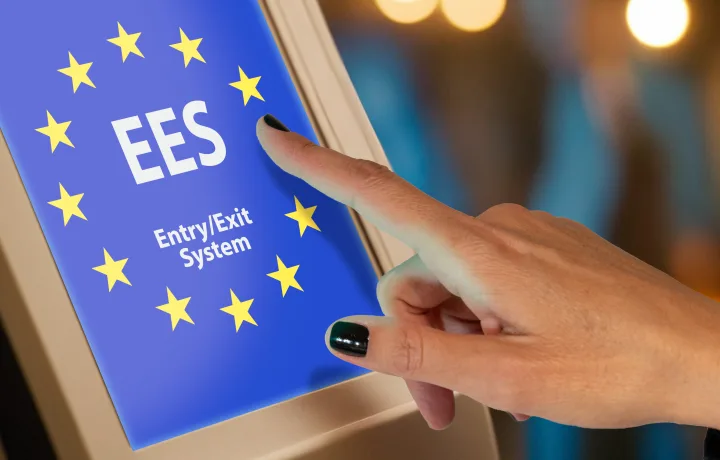
Frequently Asked Questions: Europe’s EES Biometric Border System
Does The EU’s New EES System Apply To American Travelers?
Yes. The EES applies to non-EU nationals, including US passport holders, entering or exiting the Schengen Area for short stays of up to 90 days within a 180-day period. Americans traveling to much of Europe should assume it applies.
What Biometric Data Does The EES Collect?
The system collects fingerprints, usually four fingers, and a facial image, along with passport details such as name, date of birth, nationality, and passport number. It also records entry and exit dates, plus any refusal of entry.
Which European Countries Are Part Of The EES?
The EES applies across 29 Schengen Area countries, including France, Spain, Italy, Germany, Portugal, Greece, the Netherlands, Austria, Belgium, and Switzerland. Ireland and Cyprus are not currently part of the system.
How Long Are The EES Delays At European Airports?
It depends on the airport, border point, and time of day. Dover saw extra EES checks temporarily suspended after long delays on May 23, 2026, and travel groups have warned that busy summer border points could see longer waits.
Do I Need To Register For EES Before Traveling?
No. There is no EES pre-registration, app, fee, or form for travelers. Biometric data is collected at the border when you arrive or depart.
Can I Get Compensation If I Miss A Flight Because Of EES Delays?
Probably not under standard EU airline compensation rules, since EES delays are caused by government border procedures rather than airline operations. Check your travel insurance policy, as some plans may cover missed connections.
What Is ETIAS And When Does It Launch?
ETIAS is a separate pre-travel authorization system for visa-exempt non-EU nationals. It is expected to launch in the last quarter of 2026. Once live, Americans and other eligible travelers will need to apply online before entering participating European countries.
Is Greece Exempting Some Travelers From EES Checks?
Not formally. Greece rejected reports of a blanket exemption for British travelers. Biometric checks may be paused or scaled back during peak traffic, but that is not the same as a nationality-based exemption. There are no confirmed exemptions for US passport holders.