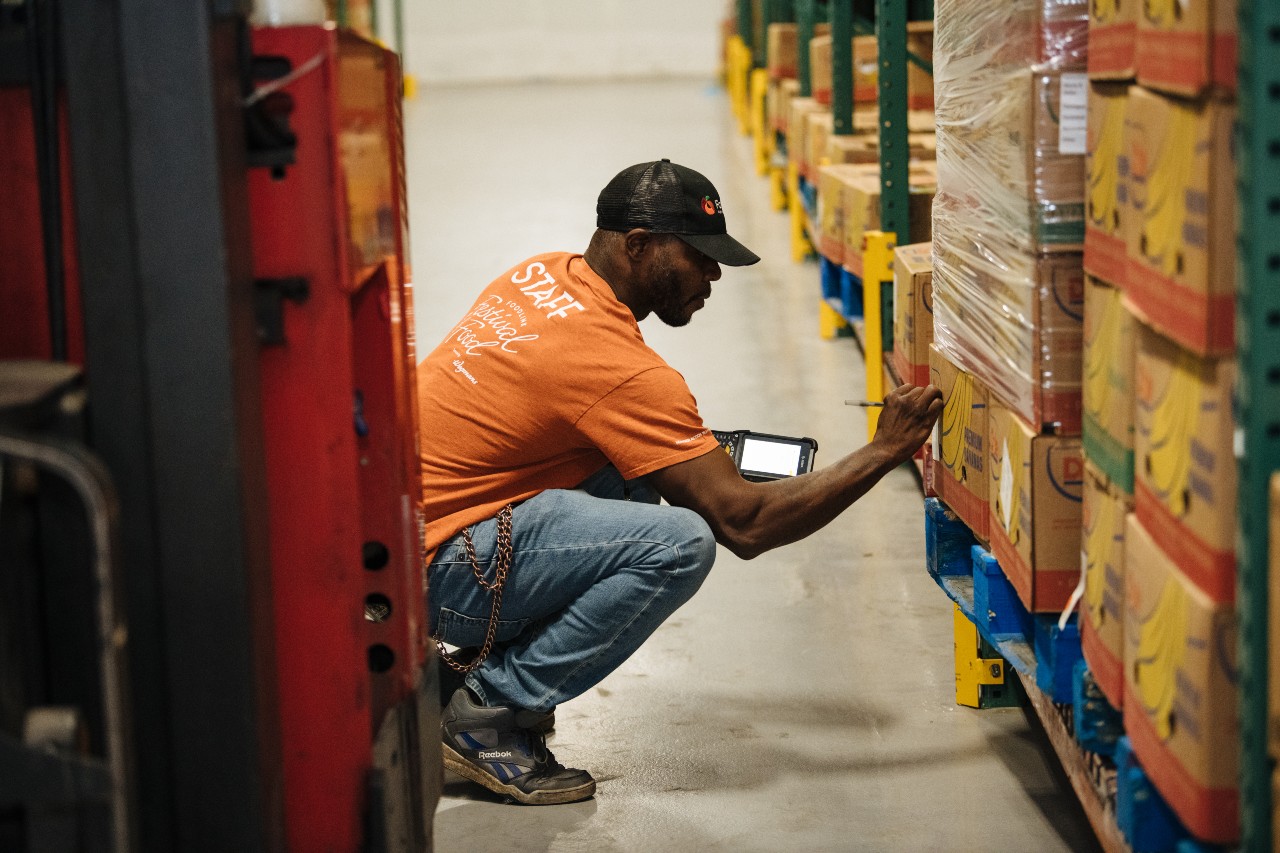
Foodlink teamed up with nutrition researchers at UC-Davis recently to analyze how changes to its ordering system helped significantly increase the procurement of culturally relevant food among food pantries and meal programs within its service area.
Laura Held, Foodlink’s Director of Food Bank Programs & Compliance, is a co-author in the study, which was published in the Journal of Agriculture, Food Systems, and Community Development in June.
According to the study’s abstract:
“A common concern in food pantries is that they may not offer culturally appropriate foods to their clients. Initiatives at the food bank level provide opportunities to improve the cultural relevance of foods available in the charitable food system. The purpose of this study was to evaluate whether agencies were more likely to order culturally responsive foods (e.g., foods procured to align with cultural groups’ traditions or norms), and a greater number of unique culturally responsive items, after implementing procurement practices and labels in a central food bank’s online ordering system.”
During the study, Foodlink began introducing food labels, and increase its procurement of targeted items. As a result, the number of these items within orders to food pantries and other Foodlink members increased.

Within three phases of the study between January and May of 2024, Foodlink shared data on 720 food orders of 31,958 items made by 272 unique members. No changes to its online ordering system were made in Phase 1 to establish a baseline. In Phase II, Foodlink introduced labels to identify certain foods as culturally responsive items. In Phase III, Foodlink introduced more culturally responsive foods into its inventory.
“I am pleased to have been able to represent Foodlink in working with Dr. Nguyen on this research,” Held said. “At Foodlink, we continually strive to make our good food better, which includes regular efforts to improve our operations, procurement, and member- and community-responsiveness. We know that we provide sufficient quantities of highly nutritious and varied food to our members to meet the basic food needs of food-insecure households in our community. But one clear area for improvement that we have identified is in providing culturally relevant foods. Through this research with Dr. Nguyen, we were able to determine that by proactively procuring foods identified as culturally relevant to certain cultural groups in our service area – and labeling those foods on our online shopping portal for members to see – that there was a statistically significant increase in the proportion of culturally responsive foods ordered by members.”
Dr. Cassandra Nguyen, assistant professor of Cooperative Extension with the Department of Nutrition and senior author of the paper, said food banks are important to addressing food insecurity, but the food they provide should also feel familiar to the people receiving it by reflecting their cultures and traditions.
“This collaboration with Foodlink demonstrates why it matters to study what’s actually happening on the ground. Laura shared data on over 31,000 foods ordered. The results suggest that a simple, no-cost labeling change made a difference on its own. But when funding was available to provide specific foods, the impact grew. So we have something other food banks can try today, and data showing why more investment is worthwhile.”