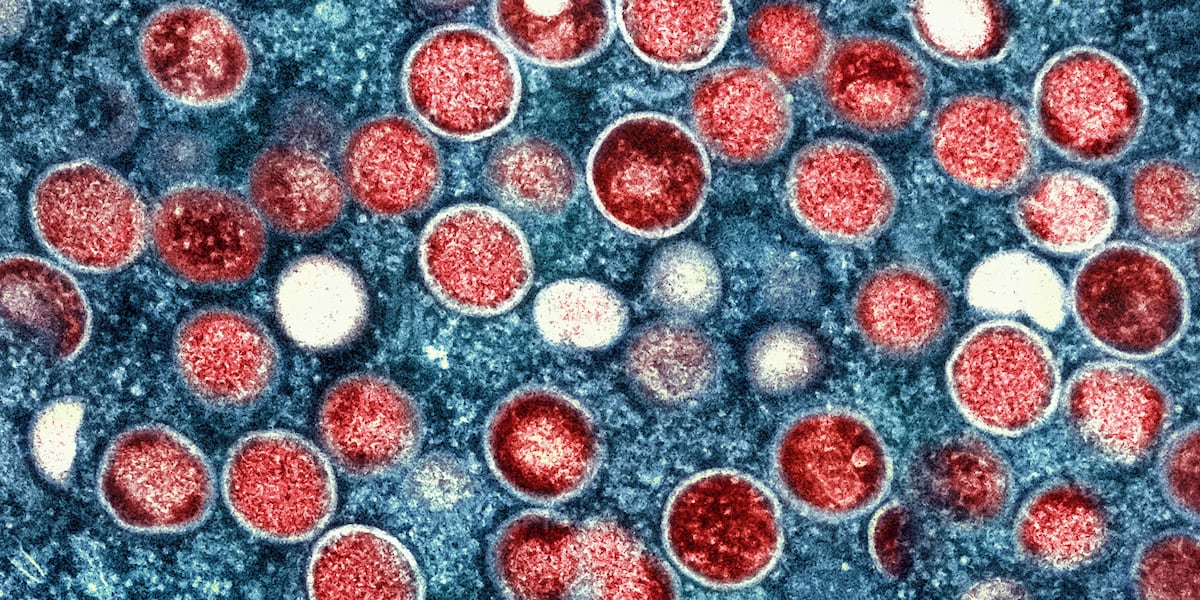
PHOENIX (AZFamily) — Arizona health officials announced Wednesday that they are tracking the state’s first travel-associated case of a unique mpox strain.
The Arizona Department of Health Services (ADHS) said it was notified this month of a state resident who contracted Clade I mpox while traveling outside the country.
ADHS and other local public health officials are now monitoring and following up with people who may have been exposed. The department added that there is no evidence of local transmission at this time related to this case.
Mpox has two strains: Clade I and Clade II. The latter has been spreading in Arizona and the United States since 2022, ADHS said.
Clade I is usually found in parts of Africa and is not common in the U.S., ADHS said.
Both strains cause similar symptoms, and officials recommend the same treatment methods: testing, vaccination, clinical management and public health response.
The department said Arizona has seen an increase in reported mpox cases this summer. As of July 21, the state had 34 reported cases — both strains included — this year.
According to ADHS, mpox is an infection caused by the monkeypox virus. It mainly spreads through close personal contact with someone who has mpox, like the following:
- Direct skin-to-skin contact with a rash, sores, scabs or body fluids
- Close physical contact
- Sharing bedding, towels, clothing or other personal items
- Prolonged close contact with someone who has mpox
- The infection can pass to a baby during pregnancy
- Casual contact in places such as stores, offices or airplanes is unlikely to spread mpox
If exposed, symptoms may include a new or unexplained rash that looks like pimples or blisters and may be painful or itchy. Some people may also experience fever, headache, muscle aches, swollen lymph nodes, chills, exhaustion or respiratory symptoms.
People with weaker immune systems may be at greater risk of severe illness from mpox.
Get vaccinated if you think you may be at risk. If you recently had close physical contact with someone who has mpox, you have an increased risk of contracting the disease. ADHS said the JYNNEOS vaccine can help prevent mpox and reduce the risk of severe illness.
If you were exposed to someone with mpox, contact a healthcare provider or local health department as soon as possible. You can get vaccinated after an exposure. Vaccination is most effective when given within four days of exposure but may still reduce illness when given within 14 days.
Check for symptoms for 21 days after your last contact. If you develop symptoms, avoid close contact with others, isolate at home and contact your healthcare provider for testing. Tell your provider about any recent travel and other possible exposure to mpox.
See a spelling or grammatical error in our story? Please click here to report it.
Do you have a photo or video of a breaking news story? Send it to us here with a brief description.
Copyright 2026 KTVK/KPHO. All rights reserved.