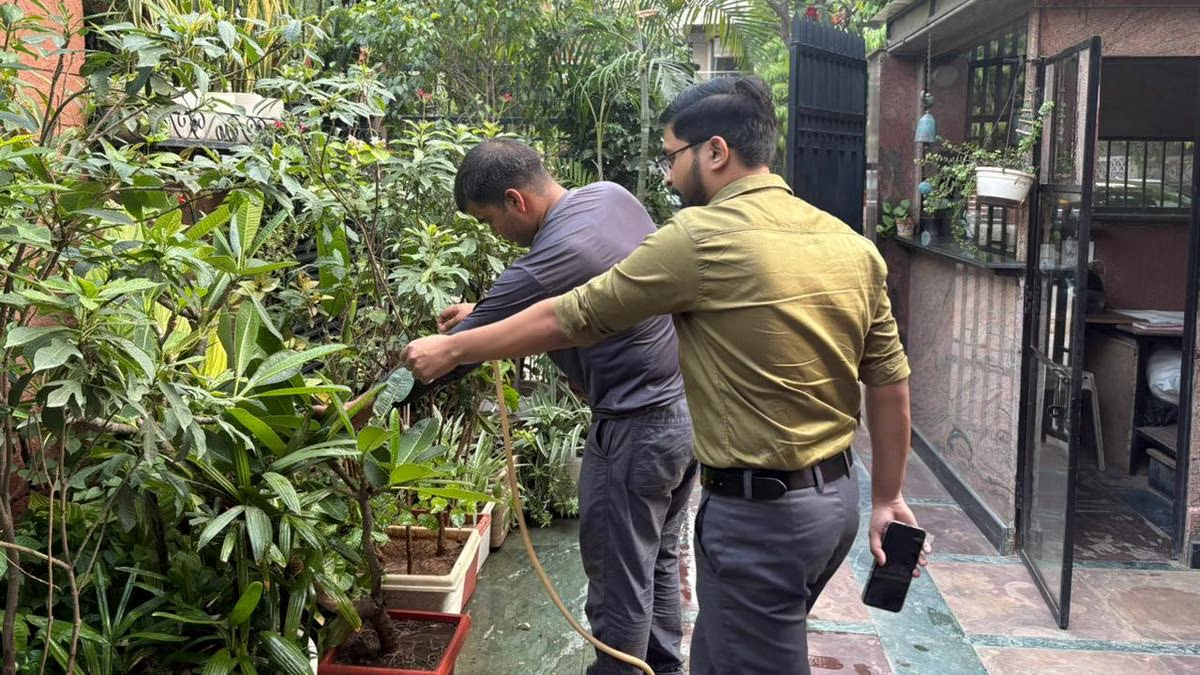
In India’s metros, a new role is emerging at the intersection of hospitality, logistics, and emotional labour: lifestyle managers. It’s changing how India’s wealthy curate and conduct their lives. Rich families today are handing the stress of everyday hassles to trained professionals, so the household never has to think about how any of it gets done — whether that’s planning a party, shortlisting interior decorators, or training domestic staff.

A slew of elite lifestyle-management and concierge firms has cropped up to meet the demand — from Gurugram’s Pinch and Elitebutlers to Bengaluru’s Club Concierge and Goa-based Indulge Concierge. Through them, clients buy time and peace of mind, priced in tiers. At Pinch, packages start at Rs 15,000 a month and go up to Rs 1.5 lakh.
In a country that is structured around informal hierarchies of domestic labour, dependence on others is hardly new. But for those who can afford it, the old informality is becoming eliticised, professionalised and formalised.
Most lifestyle managers look like corporate consultants — crisp shirts, neutral tones, smartwatches, and not a hair out of place. There’s always an iPad or a laptop at hand. They are urban, educated, and English-speaking, and usually in their 20s or 30s, though some are older. Almost all are seasoned service professionals, with degrees in hospitality or stints as airline cabin crew. Entry-level salaries start around Rs 4-6 lakh annually, but with experience and the right clients, pay packets can climb well into the tens of lakhs, especially in firms catering to ultra-high-net-worth households.
By the time you’re done with work, you don’t want to spend your evening coordinating with plumbers or arguing with vendors. You just want it handled
-Client of a lifestyle management service
For India’s upwardly mobile upper middle class, lifestyle managers also signal a certain way of life — one that reflects global luxury, but is still influenced by local ideas of class. They are another degree of separation between the family and the cooks, drivers, cleaners, and other service providers doing hands-on work. What they’re really selling is polish — the ability to anticipate needs, fit into an elite milieu, and handle everything smoothly.
Unlike traditional housekeepers who are embedded within homes, these lifestyle managers operate as hybrid concierges. They are present when needed, remote when possible, but remain constantly accountable for making sure their client’s lives run effortlessly.
“Clients typically include high-net-worth individuals, ultra-high-net-worth individuals, celebrities, sportspersons, and business founders,” said Vipul Chauhan, director of strategy and operations at Elitebutlers, a luxury staffing and hospitality agency. “Anything that upsets the rhythm of a client’s day, they would want to sort of outsource and give it to lifestyle management.”
Also Read: In NCR high rises, EWS residents face daily discrimination—security, sanitation to park access
A human Excel Sheet for families
At 24, lifestyle manager Uttaran Sen can often tell what’s going on in a family before anyone tells him. Sometimes it’s in the grocery list: fewer cartons of milk, smaller quantities of vegetables. That’s how he figured out that a household of three had become a household of two.
“A few days later, the client called and explained everything in detail. She wasn’t in a position to articulate things easily, but she still shared the full context so I could understand what was changing in her life and adjust everything accordingly — right from groceries to household needs and daily planning,” said Sen, who has been working with Pinch for almost two years.
Lifestyle managers like him are finely tuned to every shift and rupture in the families they work for — a separation, a departure — through the details they are expected to manage.
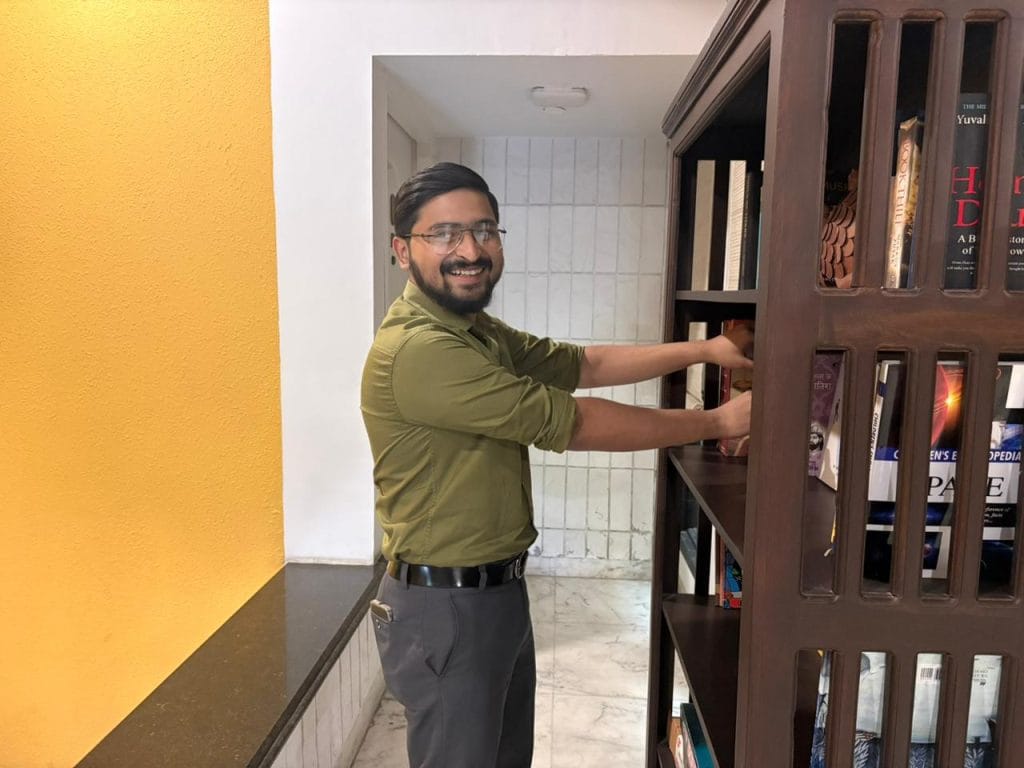
They are like wedding planners except for 24×7 daily living. Sen is constantly on calls, responding to messages, and going through checklists. He manages six to seven households on an everyday basis, juggling their decisions, anxieties, routines, to-do lists. He is a human Excel Sheet for families.
“Anything which takes up their time in the house, even as little as two minutes — if I’m taking care of that, that’s our job,” said Sen.
His work ranges from fixing a door latch and coordinating grocery deliveries to researching schools, shortlisting air purifiers, and planning travel itineraries. When clients hit decision fatigue, he says he decides for them.
“The process is similar to a consultancy. We research ten to fifteen options, narrow them down, and present them to the client. But it doesn’t stop there. We stay involved until the decision is implemented, installed, and fully up and running,” said Sen.
Anything which takes up their time in the house, even as little as two minutes — if I’m taking care of that, that’s our job,”
– Uttaran Sen, lifestyle manager at Pinch
For the families themselves, handing over the keys to their personal lives can be a calculation born out of pure exhaustion.
“It’s not that we can’t do these things,” said a corporate professional in his late 30s who uses a lifestyle management service. “It’s that by the time you’re done with work, you don’t want to spend your evening coordinating with plumbers or arguing with vendors. You just want it handled.”
And yet, logistics is only half the job. Because lifestyle managers operate inside homes, and homes come with their own emotional weather.
“Every household is a unique entity. And they have their own rhythm,” Sen said. He has come to see households as systems, each with its own patterns, dependencies, and fault lines. Processes and checklists help him stay organised, but they cannot fully account for the unpredictability of people.
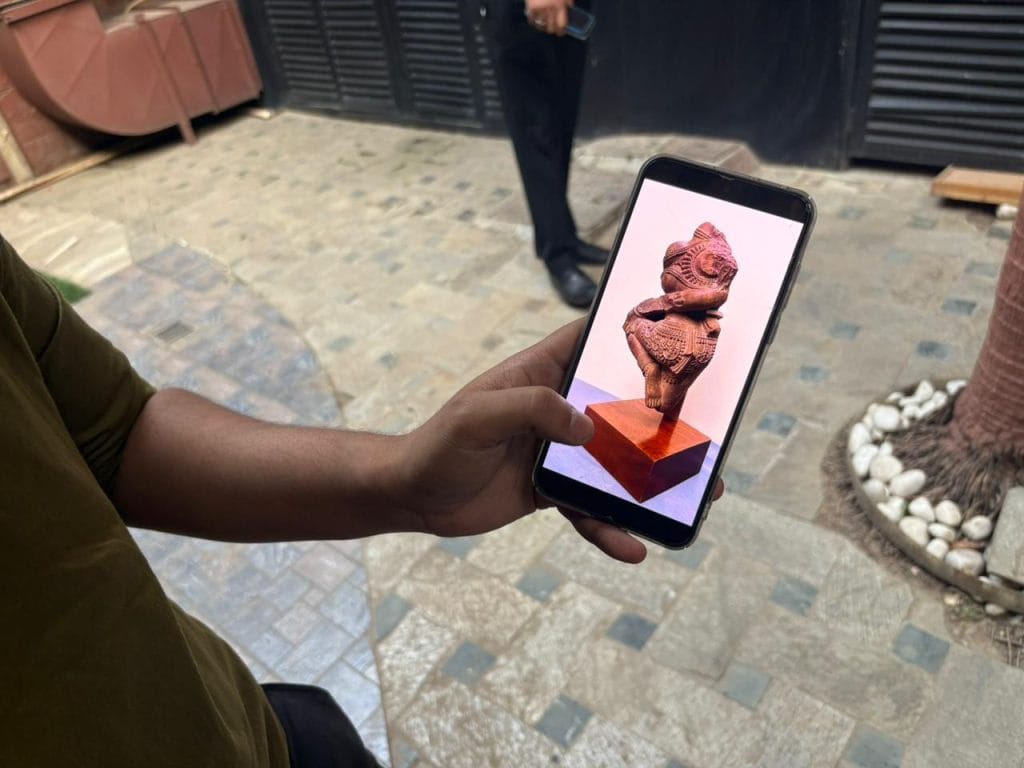
Some households are quiet and distant, others chaotic and demanding. Some clients keep it transactional; others ask for more than tasks.
Sen recalled a late-night call from one of his clients, well beyond his working hours. The client’s daughter had stopped answering her phone while on her way home. Sen found himself tracking the driver, coordinating updates, and staying on the line until she reached safely.
“The client needed emotional support, and she got it. Someone was there for her, someone she could rely on, someone who could take care of things for her,” he said.
And then there’s the staff who actually keep the house running. Their bad days are his problem too. The housekeeper skips the dishes after a row at home. The cook threatens to walk out. The driver just doesn’t show. Someone has to smooth it over, and that someone is Sen.
There is a deep economic crisis behind the ‘professionalisation’ of domestic work
– Avinash Kumar, Centre for Informal Sector and Labour Studies, JNU
This kind of domestic orchestration has traditionally been the domain of the woman of the house, and in generational business families, this is still often the case. But in the dual-income corporate enclaves of cities like Gurugram, more families are choosing to pay for what was once expected to be done for free.
However, this is not just a story about rich families buying convenience. It also says something about the lack of secure work elsewhere, according to Avinash Kumar, assistant professor at the Centre for Informal Sector and Labour Studies, JNU.
“There is a deep economic crisis behind the ‘professionalisation’ of domestic work. Even when middle-class women began working outside the home, care and household work continued to be done mostly by other women — a process known as social reproduction,” he said. “Now, what we are seeing is something different. Due to unemployment, jobless growth, and job losses in many sectors, many men are also entering these domestic and cleaning jobs through platforms and apps.”
Kumar also pointed out that these corporate platforms present workers as ‘entrepreneurs’ or ‘professionals’, but the work itself is often precarious.
“I would call it precarisation. Workers are being pushed into more vulnerable conditions. If we only look at superficial changes such as uniforms, apps, ratings, or formal procedures, then it may appear more professional. But that does not tell the full story,” he added.
Professionalising ‘help’
In many ways, the profession is built on a contradiction: the better it works, the less it is noticed. What appears effortless from the outside is the outcome of tightly coordinated systems designed to stay out of sight.
To maintain this illusion, agencies deliberately separate these professionals from traditional housekeeper roles. Team members are positioned as consultants rather than caretakers.
“Lifestyle management can range from managing domestic help, meal planning, pantry management, hosting events, planning itineraries, picking gifts, to even home renovation support,” said Chauhan of Elitebutlers. “Most concierges today are fully online, but what makes us different is that we are hybrid; we operate both online and offline. House managers or estate managers, on the other hand, are completely offline, and their scope is different; they may not be involved in things like picking gifts.”
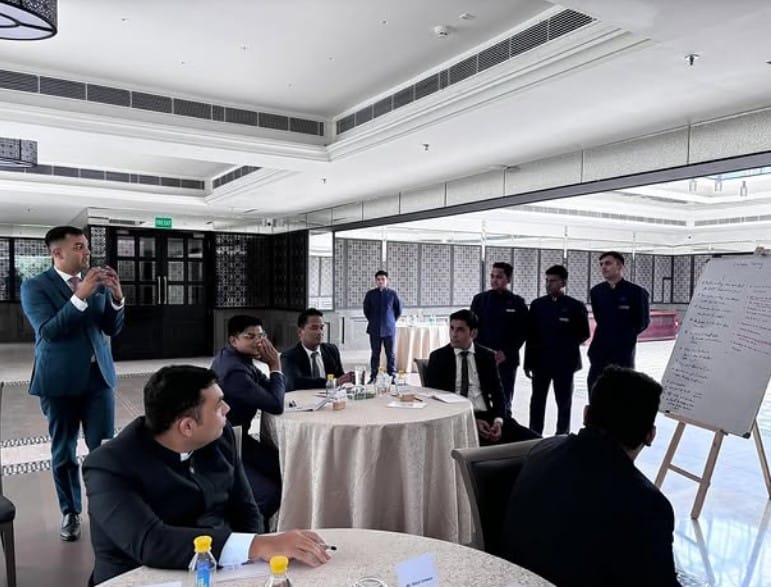
Most lifestyle managers come from hospitality, typically premium hotel chains like Marriott and Ritz-Carlton. The hiring pool has also widened to aviation, with cabin crew proving especially well-suited, trained as they are in patience, communication, and service discipline. Chauhan said that the company doesn’t hire absolute freshers, and candidates are expected to bring at least two years of prior experience. Some hires have had over two decades of work experience.
Demand is growing too. Pinch’s annual revenue reportedly went from Rs 78 lakh in 2022-23 to Rs 4.8 crore last financial year. In an interview with Startuppedia, founder and CEO Nitin Srivastava said he came up with the idea during the pandemic, when he saw a gap in the market: people needed one reliable person who knew their whole context and could take over when needed.
It’s not something new or imported. What has changed is that it’s now formalised. It’s become a process, an organised industry, and available to a much larger audience,”
– Nitin Srivastava, founder and CEO of Pinch
Affluent families have always had people running their homes, Srivastava told ThePrint. What’s new is a professional counterpoint to the old informal arrangements—complete with contracts and a career ladder.
Earlier, this work was distributed informally across a network of domestic workers–drivers, cooks, housekeepers. They were often migrants with little formal training and viewed as being at the bottom of the class hierarchy. Today, that same coordination is being consolidated into a single role. What was once fragmented, low-paid labour is now bundled, branded, and billed as a premium service delivered by professionals.
“This has existed for years in countries like England and even in the Gulf. In India too, forms of it — like butler service — have been part of royal households for centuries. So it’s not something new or imported. What has changed is that it’s now formalised. It’s become a process, an organised industry, and available to a much larger audience,” said Srivastava.
Also Read: First chips & condoms, now domestic workers in 10 mins. Apps pull strings, consumers rule
Architecture of a managed life
For the families who hire them, a lifestyle manager can be a life raft. A chance to breathe out from under the clutter of elite urban life.
The MNC professional took the plunge after he and his wife found themselves reeling under the pressures of their demanding global jobs and erratic, late-night schedules.
“Both my wife and I are very busy. We start our days super early and end up having meetings in the US at night. Our days are really spread out, and we do not have much time. And we have a young daughter as well. It was getting very overwhelming for us, and that is when we decided to try this out,” he said.
Most concierges today are fully online, but what makes us different is that we are hybrid; we operate both online and offline. House managers or estate managers, on the other hand, are completely offline, and their scope is different; they may not be involved in things like picking gifts
– Vipul Chauhan, director of strategy and operations at Elitebutlers
Their existing domestic support system of a cook, nanny, driver, and cleaner was no longer cutting it. What was missing was a thread of coordination that could connect all these moving parts and reduce the mental load.
He said he didn’t want to hand over personal or creative decisions — only the time-consuming stress of execution. From setting up a new house after a move to sorting out a family holiday in Bali, the manager’s job was to make sure the couple’s plans actually came together.
The “someday plans” that once got edged out by daily demands now happen because the tedium is handled by the manager. But the MNC professional acknowledged that not everyone is receptive to the idea.
“Some people we’ve recommended this to, don’t feel the need, or don’t find it justifiable. Ultimately, it depends on your mindset. If your priority is reclaiming time and focusing on what matters, it becomes obvious. For me it’s not about hiring a house manager. It’s about buying time for myself and my family,” he said.
Every household, Sheetal noted, operates differently. Some are particular about where their groceries are sourced from. Others follow strict dietary restrictions. Many expect the manager to observe, remember, and adapt without being told twice. Over time, this constant exposure begins to shape her as well. Sheetal found herself becoming more conscious of nutrition, health, and lifestyle choices.
“It’s not difficult to be a great life designer. You just have three things: empathy, communication, and proactiveness,” she said.
That formula is tested most in large, multi-generational Indian homes, where a single roof covers a gamut of different needs. The kitchen alone can throw up multiple catering snarls—an elderly parent with diabetes requiring carefully measured meals, a teenager with food allergies, a fitness-conscious couple tracking macros. Groceries often have to be segmented and preparations carefully calibrated. Then there are often three or four cars and their drivers to manage. Schedules for school pick-ups, office commutes, and late-night airport runs must be negotiated for a seamless flow to the day.
“Beyond logistics, there are health check-ups to schedule, medicines to refill on time, travel requirements to coordinate, children’s birthday parties to organise,” said Sheetal. “From the outside, it may appear to be one household. Inside, it is a constantly moving ecosystem that’s being managed behind the scenes.”
(Edited by Asavari Singh)