NEW ALBANY, Ind. (WDRB) — The last full-service food pantry in this area of southern Indiana is helping more people every month while operating with fewer resources than it used to have.
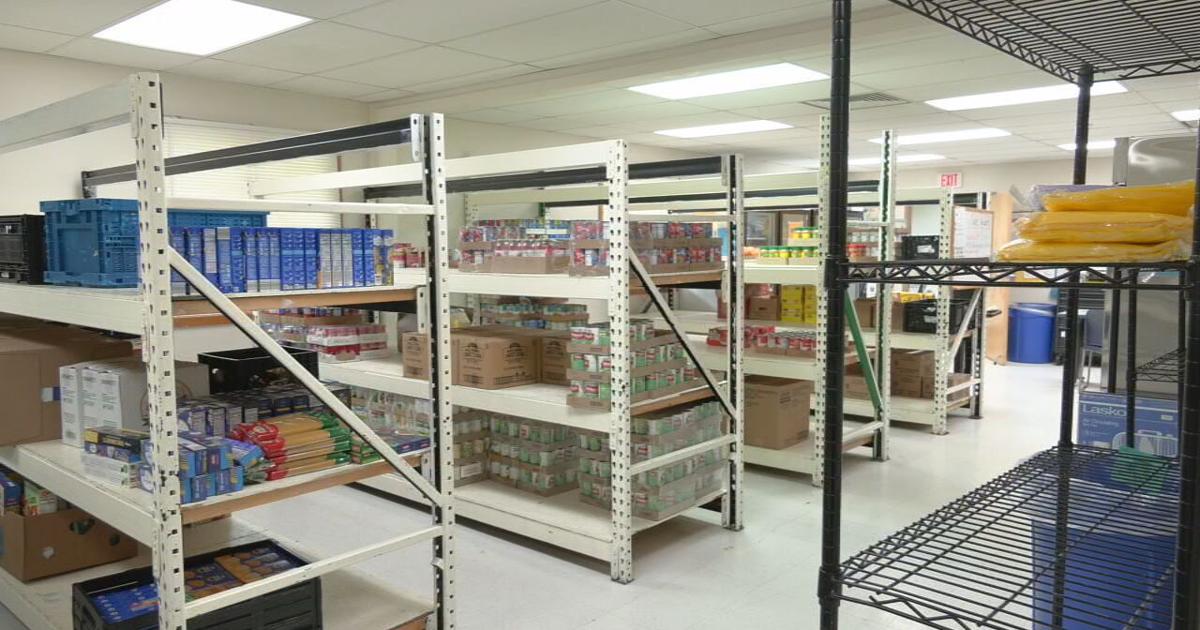
At Hope Southern Indiana, the pantry is powered largely by volunteers. Heather Liebert, who started as a volunteer herself, walked through the pantry area where food is distributed to families.
“So this is our pantry,” Liebert said. “This is where our volunteers Hope is primarily ran by volunteers this is where we hand out the food to the families.”
Staff say the line now includes people who never imagined they would need a food pantry.
“A lot of people that have never set foot in a food pantry are lining up,” Liebert said.
The numbers back that up. Hope says it sees roughly 100 new individuals each month.
As grocery bills climb — along with gas, utilities and rent — families can hit a breaking point, staff said. At the pantry, Liebert said the focus is on meeting that need while protecting people’s dignity.
“We just reassure them,” she said. “That’s one thing that I love about Hope… I love how we give everybody dignity.”
During the time SNAP benefits were paused in a federal shutdown, Liebert said the community helped fill the gap.
“The community definitely stepped in at that time,” she said.
But the need never dropped — and now the pantry is also dealing with cuts tied to federal supply changes.
“USDA has cut off our second delivery of food that we get,” she said, explaining that the deliveries often include extra food from retailers such as Kroger. They said that supply made up about half of the pantry’s foundational food.
Federal cuts are coming, in part, from what USDA describes online as significant inventory and supply reductions and federal staffing cuts. On the ground in southern Indiana, staff said it shows up as visible gaps on the shelves.
“Because, I mean, it’s budget,” one worker said.
Liebert said the mission and the people keep her coming back.
“I’m very humbled and honored to be part of this,” she said.
The pantry says it isn’t yet at a critical stage, but it’s already making clear what donations matter most right now: items families can quickly turn into meals.
“Dry pasta, box cereal, pasta sauce, peanut butter,” Liebert said. “Just essential, easy-made items for our families.”
Copyright 2026 WDRB Media. All Rights Reserved.