Iran relied on digital dollars issued by Tether, one of the world’s most profitable cryptocurrency companies, to circumvent the U.S. sanctions regime, according to a Wall Street Journal report published Monday, citing a report that Senate Democrats plan to release later in the day.
According to the Journal, the report by the Senate Permanent Subcommittee on Investigations says Tether’s stablecoin became a major means of payment for the Iranian regime and a tool for financing proxy terrorist organizations such as Hezbollah.
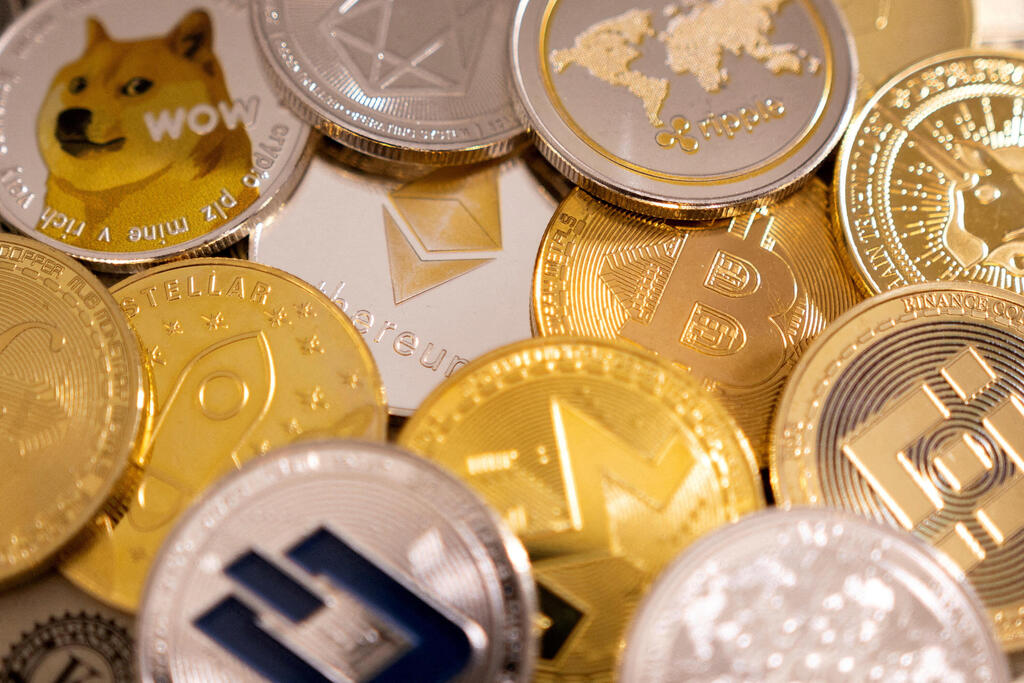
Cryptocurrencies
(Photo: Reuters)
Stablecoins are a type of cryptocurrency pegged to real-world currencies — in the case of USDT, the U.S. dollar. That makes them less volatile than other digital assets and more suitable as a medium of exchange or payment, including for money laundering. Tether, which issues the stablecoin known as USDT, accounts for about 60% of the stablecoin market.
The Senate report, authored by Democratic Sen. Richard Blumenthal, identified a loophole after analyzing 846 crypto wallets sanctioned by the U.S. and Israeli governments over ties to Iran. It found that 84% of the wallets conducted transactions almost exclusively in USDT.
This year, following the war with Iran, the U.S. Treasury Department expanded sanctions on the Islamic Republic and in August announced a campaign aimed at further isolating it economically.
According to Blumenthal, the report “exposes how Tether and its flagship currency have become central to Iran’s shadow banking system, enabling the Iranian government to fund its regional proxies, carry out human rights abuses, and advance hostile drone and missile programs in defiance of our sanctions regime.”
The Permanent Subcommittee on Investigations sent its report on Monday to senior officials at the Justice and Treasury departments.
A Tether spokesperson did not respond to the Journal’s requests for comment, though the newspaper noted that the company has previously worked with law enforcement authorities to freeze some wallets linked to the Iranian regime.

Anti-Trump/US billboard in Tehran
(Photo: Majid Asgaripour/WANA (West Asia News Agency) via REUTERS)
The Journal has previously reported that drug traffickers and criminal organizations have used Tether to evade sanctions imposed on them.
Tether has the ability to freeze and reissue USDT — effectively removing it from one wallet and recreating it in another. The Senate report criticizes the company for not moving quickly enough to freeze USDT held in wallets under sanctions by the United States and Israel.
Meanwhile, some evidence already suggests that Iran may be reconsidering its use of the stablecoin and that its reliance on it is declining.
Still, Tether remains a common denominator in many wallets recently sanctioned by the United States, according to Senate investigators. These include wallets linked to Iran’s central bank in July and others used by a network that allegedly helped facilitate Iranian oil sales.