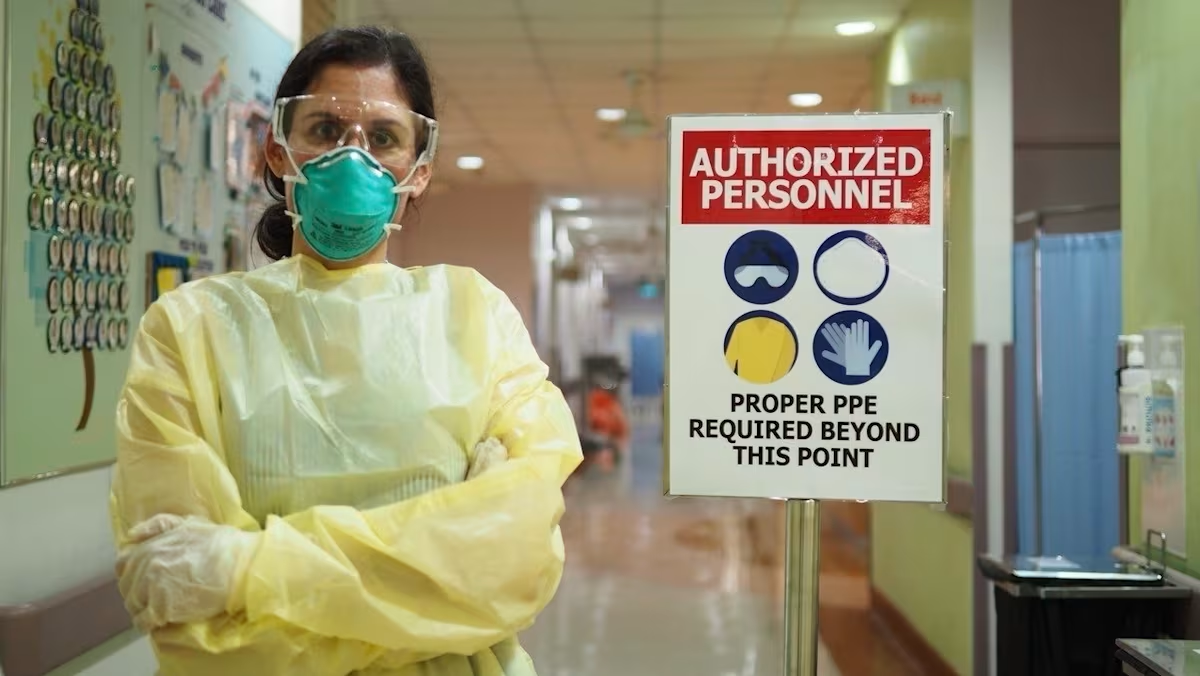
The patient arrived with a severe lung infection, coughing and gasping for air. Her oxygen levels were so low that she was rushed into the intensive care unit and placed on a life support ventilator.
She was found to have pneumocystis pneumonia, an infection that occurs most commonly in people with a weakened immune system, including human immunodeficiency virus (HIV). She later tested positive for HIV.
After her lung infection stabilised, her doctor, Associate Professor Sophia Archuleta, broke the news to her. Only in her early 30s at the time, and married without children, it seemed like her hopes for starting a family were suddenly dashed.
But it is a common misconception that patients living with HIV cannot have healthy babies, said Assoc Prof Archuleta. “With antiretroviral therapy (medicine that suppresses HIV), you can halt vertical transmission so the HIV will not pass from mum to baby,” she explained.
This patient went on to deliver two healthy babies.
This is all in a day’s work for the 53-year-old, who grew up in Greece and is a Singapore permanent resident. The senior consultant at the Division of Infectious Diseases at the National University Hospital (NUH) has spent nearly two decades in Singapore treating complex infections such as COVID-19, bloodstream infections and fever of unknown origin, while pushing back against misconceptions and stigma around conditions like HIV.
DIAGNOSING DANGEROUS INFECTIONS
When most people think of infectious diseases, the deadly COVID-19 pandemic might come to mind. But the field encompasses hundreds of illnesses caused by bacteria, viruses, fungi and parasites that can affect nearly every organ in the body.
Some, like COVID-19, tuberculosis and measles, can spread through the air, which require doctors to wear respirators and other protective equipment when treating patients.
Others, such as dengue fever, HIV and some forms of viral hepatitis, spread through mosquitoes, blood or bodily fluids, and are less easily transmitted in clinical settings when standard precautions are followed.