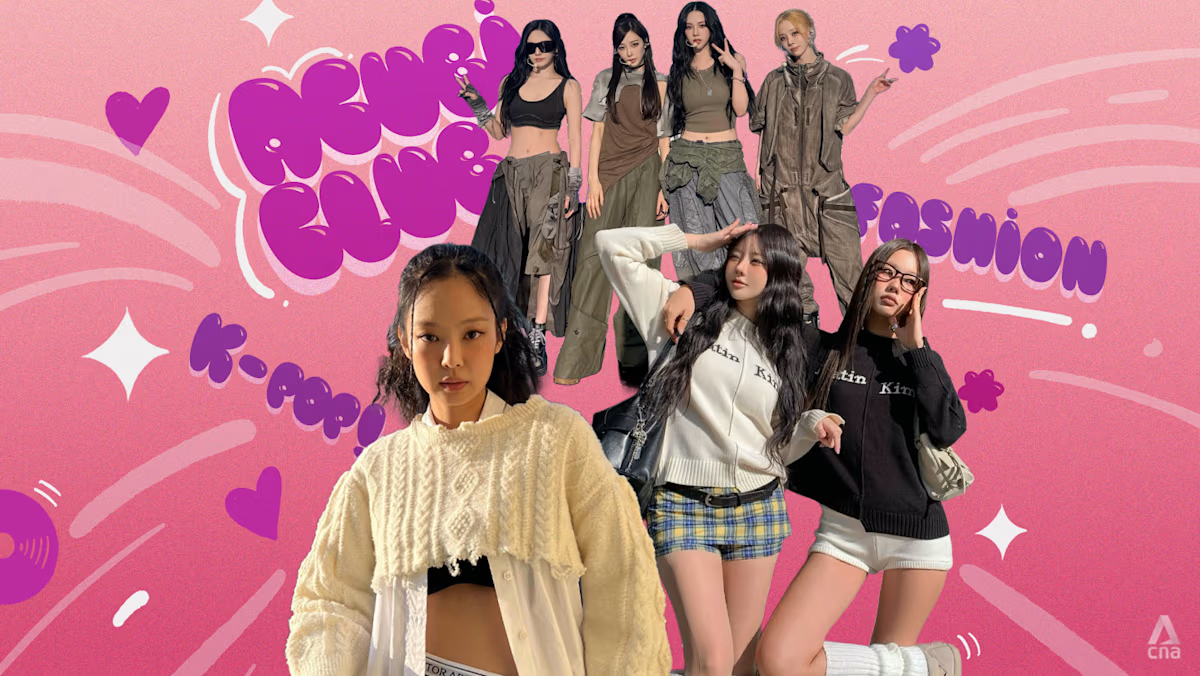
Acubi did not emerge from a runway or a single celebrity endorsement. The name traces back to Korean label Acubi Club, whose slouchy knits, layered basics and muted styling became so widely imitated that the brand name evolved into shorthand for an entire aesthetic.
Acubi drew from a visual language already embedded in Seoul street style: Oversized outerwear paired with fitted tops, subdued colours over overt flash and a preference for layering over statement dressing.
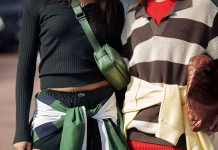
Core pieces include cropped knitwear, fitted long-sleeve tops, layered tanks, low-rise trousers, maxi skirts and oversized hoodies. The palette leans heavily on greys, charcoal, khaki and off-white, usually finished with chunky sneakers or combat boots.
There are traces of early-2000s fashion throughout the aesthetic, but Acubi feels softer and moodier than the louder Y2K revival that dominated post-pandemic social media. Where classic Y2K fashion embraced rhinestones, bodycon silhouettes and paparazzi-era glamour, Acubi strips those references back into something more understated and wearable.
Its rise also reflects a broader shift in how younger consumers approach fashion today. Instead of dressing for spectacle, many are gravitating toward comfort, versatility and individuality.