3 min readNew DelhiJun 3, 2026 09:12 AM IST
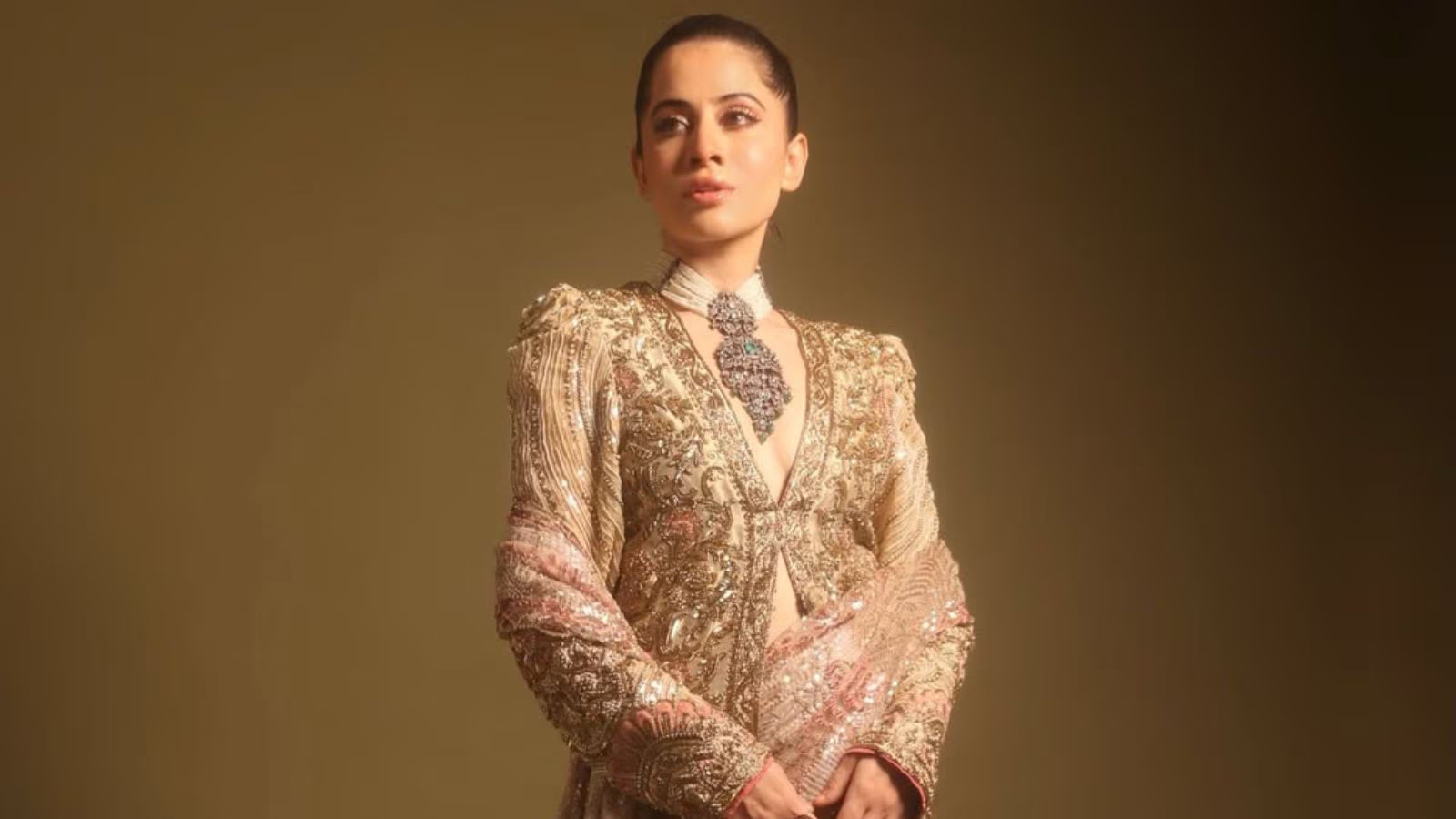
Uorfi Javed has been turning heads with her eye-catching, made-from-scratch outfits ever since she appeared on Bigg Boss OTT Season 1. The fashion influencer went on to bag a reality show on Prime, Follow Kar Lo Yaar, where she opened up about her abusive childhood.
In a recent podcast hosted by Soha Ali Khan, Uorfi reflected on her image-building in showbiz and how her childhood dreams, family setbacks, and an abusive father helped shape her journey from a Lucknow girl to one of the most talked-about internet personalities. “Since childhood, I always dreamed of doing something big and becoming successful,” she said. “But I was born into a conservative family, so I felt those dreams could never come true.”

Uorfi revealed that she left home to escape an abusive environment rather than pursue acting. After running away, she moved to Delhi, where she supported herself through taking tuition classes and small jobs at call centres. “I ran away,” she stressed.
Further, she shared that she eventually moved to the city and began auditioning for television roles with modest ambitions. “I just wanted to get a good lead role in a TV show, buy a house in a few years, get a car, get married, and settle down,” she recalled.
Her life took an unexpected turn when a video of her airport look went viral. Uorfi recalled wearing a sports bra with a jacket, unaware that the outfit would spark widespread discussion and criticism. “People criticised me a lot, but I felt that being talked about was still better than being ignored,” she said, adding that her rise as a fashion influencer was not part of any calculated public relations strategy.
Speaking about her childhood, Uorfi highlighted that, growing up, she did not realise women could openly express their opinions or speak up for themselves.
Impact of childhood conditioning
Dr Rimpa Sarkar, mental health expert, PhD, Sentier Wellness, Mumbai, explained that childhood conditioning can have a profound impact on an individual’s confidence, autonomy and ability to establish healthy boundaries.
Story continues below this ad
“If a child grows up in an environment where their opinions are dismissed, criticised, or discouraged, they may internalise the belief that their voice does not matter,” Dr Sarkar said. The expert also stressed that such experiences can later contribute to people-pleasing tendencies, difficulties saying no and a reliance on external validation.
Impact on online trolling
Dr Sarkar also highlighted the potential psychological impact of online trolling, particularly for those with histories of abuse or bullying. Public criticism and harassment on social media, she said, can reactivate feelings of shame, fear and helplessness associated with earlier traumatic experiences.
To protect mental well-being in the face of relentless online scrutiny, Dr Sarkar recommended distinguishing constructive criticism from personal attacks, limiting exposure to abusive comments, maintaining strong offline support systems and avoiding the tendency to tie self-worth to public opinion.
“No matter how visible someone becomes, it is impossible to be universally liked. Psychological well-being comes from developing a stable sense of self that is not entirely dependent on external approval or criticism,” Dr Sarkar said.